

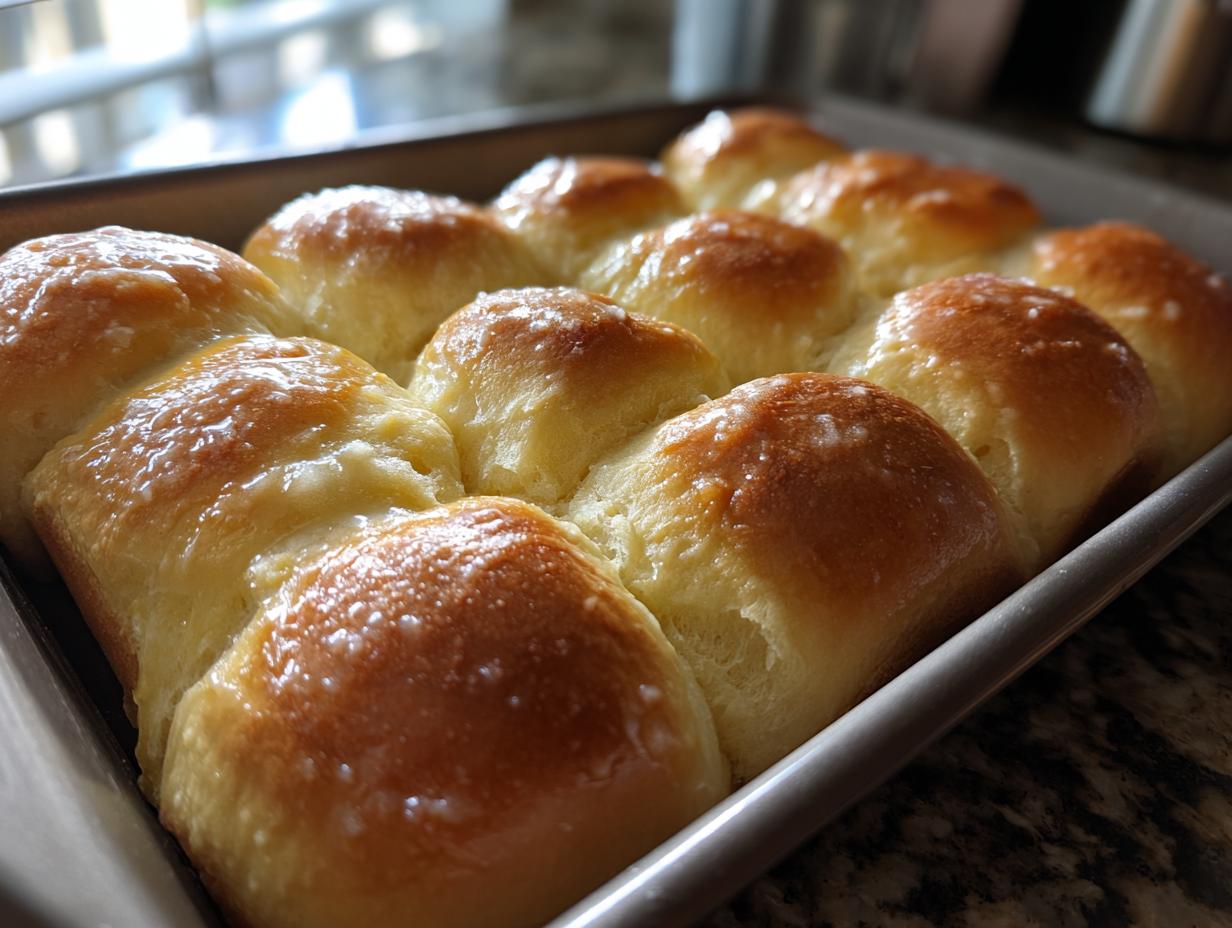
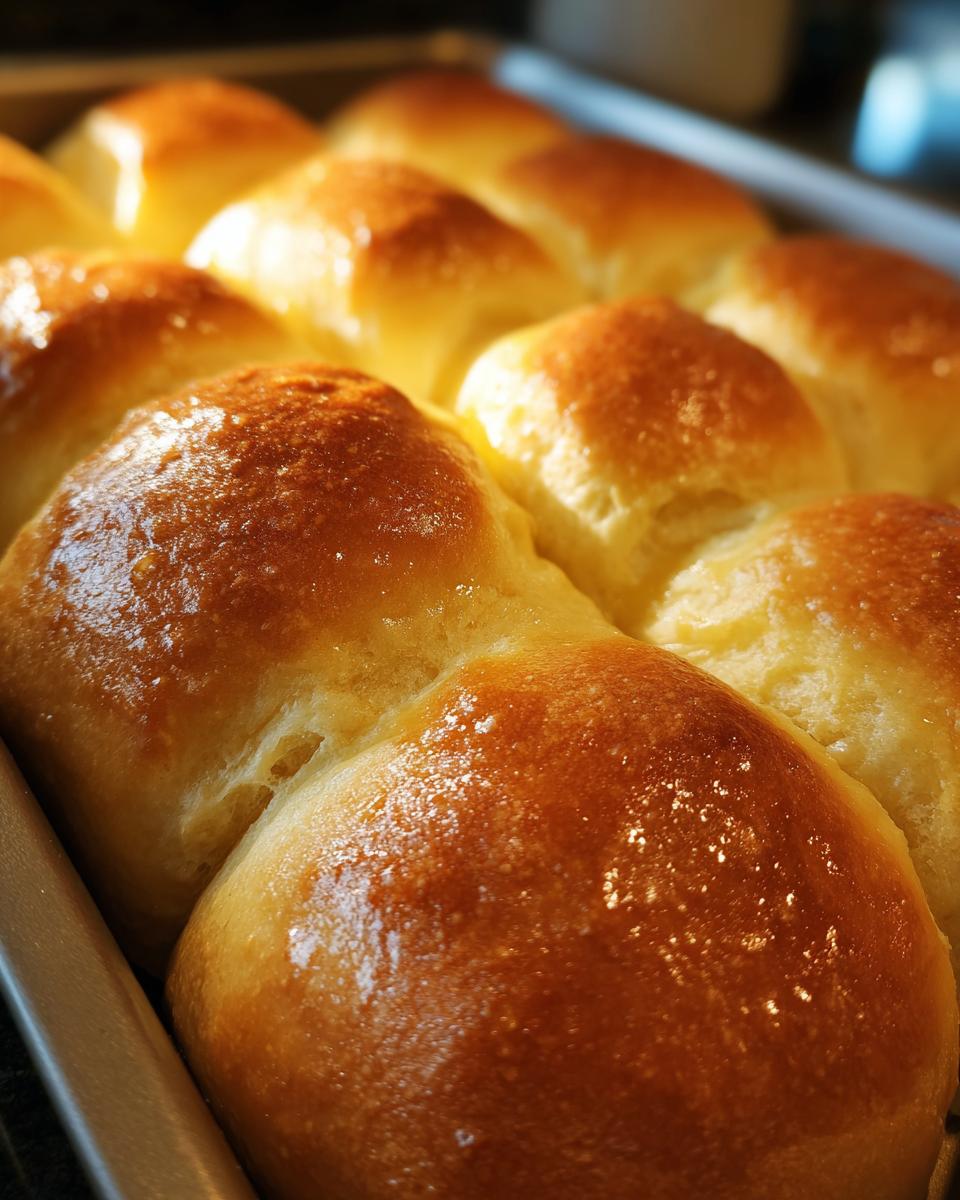
There’s just something magical about pulling a basket of warm, just-baked bread from the oven, isn’t there? Especially when they’re Parker House rolls! These aren’t just any dinner rolls; they’re little clouds of buttery, pillowy perfection. I remember the first time I served these at Thanksgiving – honestly, they were gone before the turkey was even carved! The smell alone filled the whole house with that cozy, comforting aroma that just screams ‘welcome home.’ Making these classic Parker House rolls from scratch is easier than you think, and the payoff is seriously incredible. Trust me, your guests will be raving!
- Why You'll Love These Parker House Rolls
- Ingredients for Perfect Parker House Rolls
- Mastering the Art of Parker House Rolls
- Tips for Making Ahead Your Parker House Rolls
- Ingredient Notes and Substitutions
- Frequently Asked Questions About Parker House Rolls
- Nutritional Information for Parker House Rolls
- Share Your Parker House Rolls Creations!
Why You’ll Love These Parker House Rolls
Seriously, these rolls are a game-changer:
- Incredibly soft and pillowy texture that just melts in your mouth.
- Rich, buttery flavor that’s irresistible.
- Easier to make than you might think, even for beginner bakers!
- Perfect for any special occasion, holiday dinner, or just because!
- They look so impressive when you pull them out of the oven.
- Taste amazing fresh out of the oven, smeared with a little extra butter.
Ingredients for Perfect Parker House Rolls
Making these beauties is all about using good, simple ingredients. Here’s what you’ll need to get started:
- 1 cup warm milk (that’s about 105-115°F, nice and cozy for the yeast!)
- 2 ¼ teaspoons active dry yeast (make sure it’s fresh!)
- 2 tablespoons granulated sugar
- ½ cup unsalted butter, melted and just slightly cooled (you don’t want to scramble those eggs!)
- 1 teaspoon salt
- 1 large egg, whisked up a bit
- 3 ½ to 4 cups all-purpose flour, plus a bit extra for dusting our hands and the counter
- 2 tablespoons unsalted butter, melted, for brushing those gorgeous tops
Mastering the Art of Parker House Rolls
Alright, let’s get down to business! Making these beautiful Parker House rolls is a bit of a process, but trust me, it’s totally worth every single minute. It’s like a little baking adventure! We’ll take it step-by-step, and before you know it, you’ll have a counter full of warm, gorgeous bread. This recipe is fantastic, and if you love garlic bread anytime, you might want to check out our easy garlic naan bread recipe too!
Activating the Yeast for Fluffy Dinner Rolls
First things first, we need to wake up that yeast! In your biggest mixing bowl, get that warm milk going. You want it cozy, not hot – think bathwater temperature. Toss in your yeast and a pinch of sugar. Give it a little stir and let it hang out for about 5 to 10 minutes. If it gets all foamy and magical, you’re golden! That foam tells you the yeast is alive and ready to make some amazing fluffy dinner rolls. If it doesn’t foam up, don’t worry, you might just need fresh yeast!
Kneading Your Parker House Rolls Dough
Now for the fun part – the kneading! Turn that shaggy dough out onto a lightly floured surface. You’re going to knead it for about 8 to 10 minutes. It sounds like a long time, but it’s where all the magic happens for that super-soft texture. Push, fold, turn, repeat! You’re looking for a dough that’s smooth, elastic, and doesn’t stick to your hands too much. If it feels too sticky, dust in a little more flour, just a tablespoon at a time. You’ll know it’s ready when it springs back slowly when you poke it.
The Crucial First Rise for Soft Rolls
Once your dough is perfectly kneaded, pop it into a lightly greased bowl. Give it a little swirl to coat the whole ball of dough. Cover that bowl with plastic wrap and find a nice, warm spot for it to do its thing. This is the first rise, or proofing. Aim for about 1 to 1 ½ hours. You’ll know it’s ready when it’s doubled in size – it’ll look so plump and happy! This rise is crucial for developing that wonderful flavor and airy texture in your Parker House rolls.
Shaping and Second Rise for Puffy Parker House Rolls
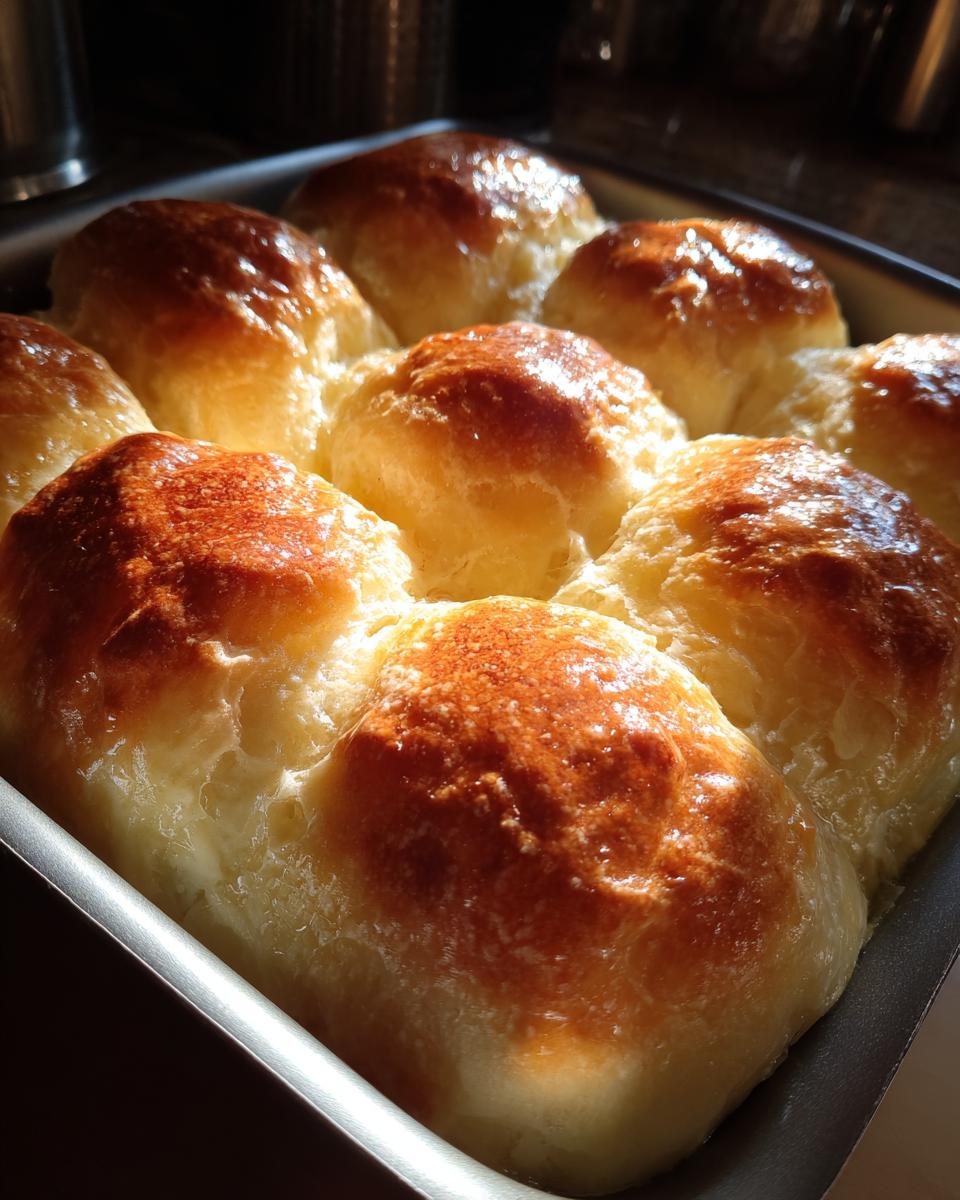
Punch down that gorgeous dough gently – it’s like deflating a fluffy cloud! Now, divide it into 16 equal pieces. Roll each piece into a little ball, then flatten each ball into an oval shape, about 4 by 3 inches. Here comes the signature step: brush the center of each oval with some of our melted butter. Fold the oval over, just off-center, so you get that classic pocket shape. Place your beautifully shaped Parker House rolls about an inch apart in your greased baking pan. Cover them up again and tuck them away for another rise, about 30-45 minutes, until they’re nice and puffy.
Baking and Finishing Your Yeast Bread Recipe
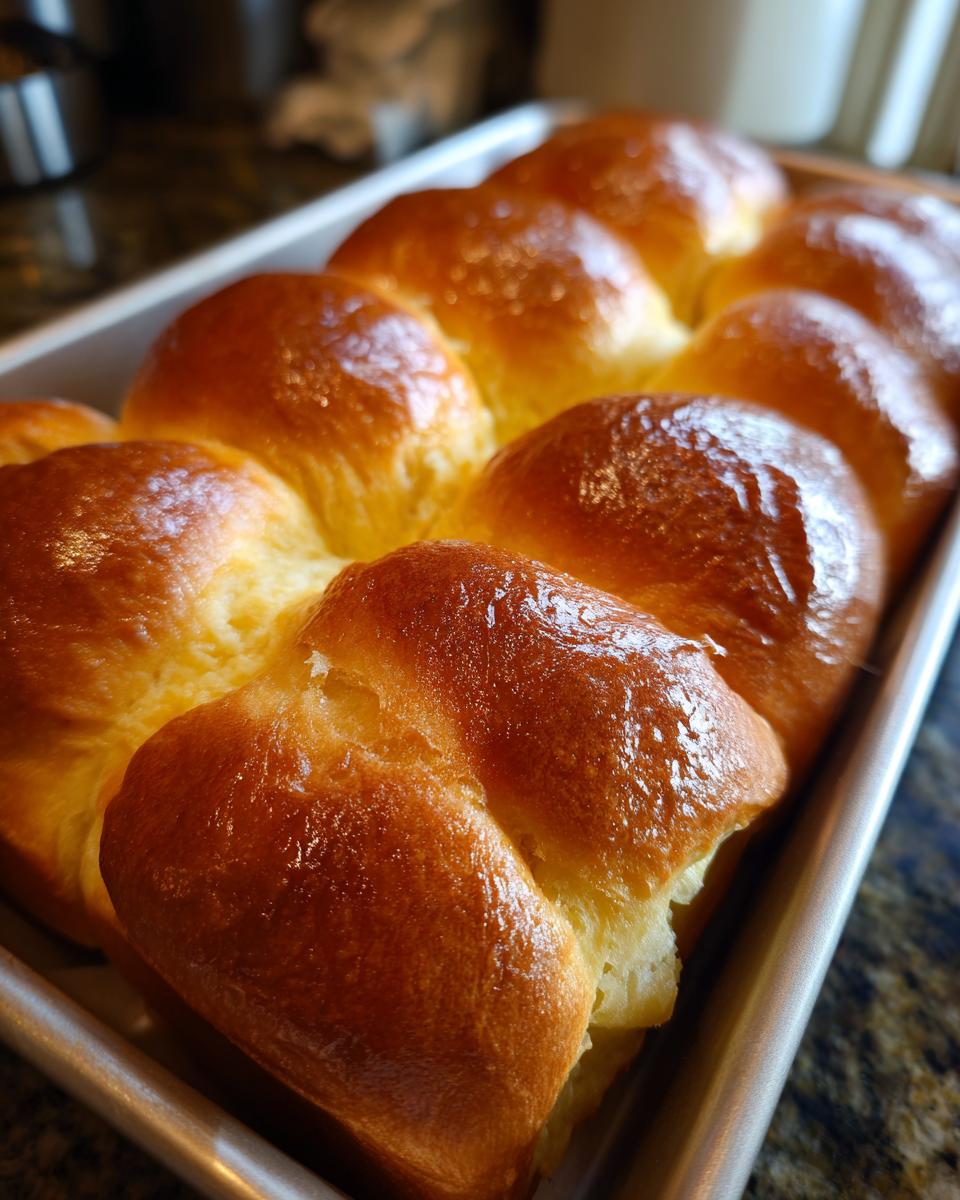
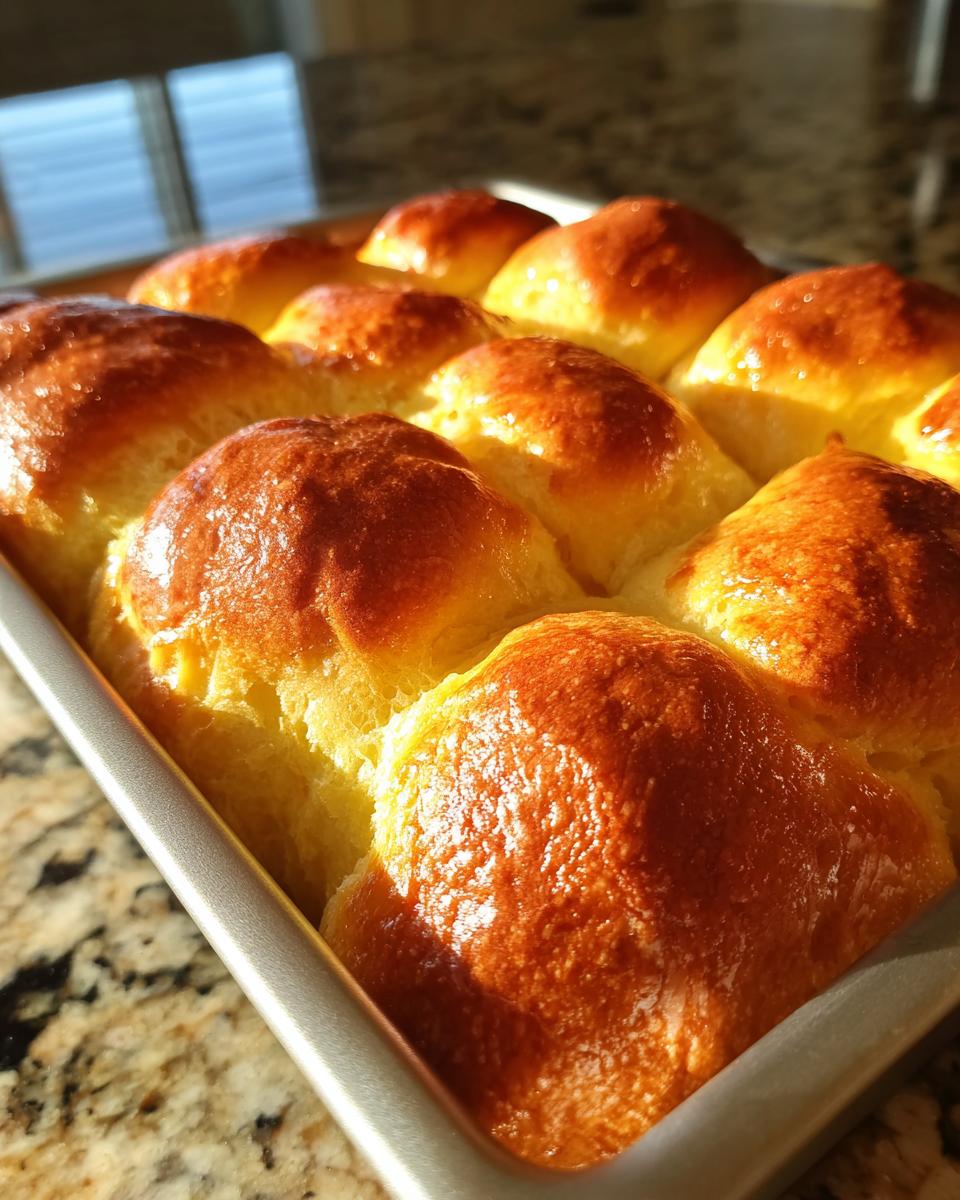
While those rolls are getting puffy, preheat your oven to 375°F (190°C). Once they’ve had their second rise, they’re ready for their big moment! Bake them for about 15 to 20 minutes, or until they’re a beautiful golden brown. Oh, the smell! As soon as they come out, brush the tops with that leftover melted butter. It gives them a gorgeous sheen and adds even more delicious buttery flavor. These truly are the best yeast bread recipe for a reason!
Tips for Making Ahead Your Parker House Rolls
Life gets crazy, right? That’s why I love that you can totally get a head start on these amazing Parker House rolls. Seriously, having a make-ahead dough situation is a lifesaver, especially around the holidays. You have a couple of options, and both work like a charm. For my ham and cheese sliders, I often do similar prep. You can shape the rolls, put them in their baking pan, cover them really well, and then pop them in the fridge for up to 24 hours. They’ll almost double in size overnight. Just pull them out about 30 minutes before you want to bake them so they come to room temp. It’s perfect!
Ingredient Notes and Substitutions
We’re keeping this one pretty classic, but a few notes can make a big difference! For the milk, if you don’t have whole milk on hand, you can totally use 2% or even skim milk, it’ll just be a little less rich. Almond or soy milk can work in a pinch, but the flavor will change a bit, and sometimes yeast behaves differently with non-dairy options, so keep an eye on that rise time. And about the flour – all-purpose is your safest bet here. Bread flour would work and give it a slightly chewier texture, but AP flour keeps them wonderfully soft. That salt you see? It’s not just for flavor, it actually helps control the yeast and gives the dough structure, so don’t skip it!
Frequently Asked Questions About Parker House Rolls
Got questions about these gorgeous Parker House rolls? I’ve got answers! Here are some things folks often ask:
Why my Parker House rolls aren’t super fluffy?
Usually, this comes down to a couple of things. Make sure your yeast is good and active – that foamy stage is super important! Also, don’t skimp on the kneading time; that develops the gluten that makes them light and airy. And seriously, give them enough time to rise! Patience is key with yeast bread.
Can I use instant yeast instead of active dry?
Yep, you totally can! If you’re using instant yeast, you can usually skip the blooming step (step 1 in the recipe). Just mix it right in with the dry ingredients. Keep an eye on your dough, though, as instant yeast can sometimes rise a little faster.
How should I store leftover Parker House rolls?
The best way is to pop any leftovers into an airtight container or a zip-top bag at room temperature. They’re usually best eaten within a day or two. If they get a little stale, no worries! They make fantastic bread pudding or even French toast: check out my easy chili recipe for a super cozy pairing!
What if I don’t want to make them all at once?
As I mentioned in the ‘make-ahead’ section, you can totally shape them and then keep them covered in the fridge overnight. That make-ahead dough is a lifesaver for busy nights when you want homemade bread without the fuss!
Nutritional Information for Parker House Rolls
Okay, so here’s the ballpark figure for what you’re getting in each of these glorious Parker House rolls. Just remember, this is an estimate, and your mileage might vary a smidge depending on the exact brands and ingredients you use. We’re looking at about 180 calories, around 7g of fat (with about 4g of that being saturated), 4g of protein, and 25g of carbs. You’ll find about 4g of sugar in each one, which seems about right for that lovely flavour!
Share Your Parker House Rolls Creations!
Now that you’ve whipped up a batch of these gorgeous Parker House rolls, I’d just LOVE to see what you made! Did you serve them at a holiday feast? Did they disappear in mere minutes? Tag us on social media with your photos or leave a comment here below to tell me all about it! Your feedback helps others bake with confidence, and it’s honestly the sweetest part of sharing these recipes. You can learn more about our mission here!
PrintParker House Rolls
Learn to bake soft, buttery, and pillowy Parker House rolls from scratch. These classic dinner rolls are perfect for holidays and special meals.
- Prep Time: 30 minutes
- Cook Time: 20 minutes
- Total Time: 2 hours 50 minutes
- Yield: 16 rolls 1x
- Category: Bread
- Method: Baking
- Cuisine: American
- Diet: Vegetarian
Ingredients
- 1 cup warm milk (105-115°F)
- 2 ¼ teaspoons active dry yeast
- 2 tablespoons granulated sugar
- ½ cup unsalted butter, melted and slightly cooled
- 1 teaspoon salt
- 1 large egg, lightly beaten
- 3 ½ to 4 cups all-purpose flour, plus more for dusting
- 2 tablespoons unsalted butter, melted, for brushing
Instructions
- In a large bowl, combine the warm milk, yeast, and sugar. Let stand for 5-10 minutes until foamy.
- Stir in the melted butter, salt, and egg.
- Gradually add 3 ½ cups of flour, mixing until a soft dough forms.
- Turn the dough out onto a lightly floured surface and knead for 8-10 minutes, adding more flour as needed, until the dough is smooth and elastic.
- Place the dough in a greased bowl, turning to coat. Cover with plastic wrap and let rise in a warm place for 1 to 1 ½ hours, or until doubled in size.
- Punch down the dough and divide it into 16 equal pieces.
- Shape each piece into a ball. Roll each ball into an oval shape, about 4×3 inches.
- Brush the center of each oval with melted butter. Fold the oval in half, slightly off-center, to create a pocket.
- Place the shaped rolls about 1 inch apart in a greased 9×13 inch baking pan.
- Cover the pan and let the rolls rise for another 30-45 minutes, or until puffy.
- Preheat your oven to 375°F (190°C).
- Bake for 15-20 minutes, or until golden brown.
- Brush the tops of the warm rolls with the remaining melted butter.
Notes
- For make-ahead dough, you can refrigerate the shaped rolls after the second rise for up to 24 hours. Let them sit at room temperature for 30 minutes before baking.
- Ensure your milk is warm, not hot, to activate the yeast properly.
- You can add a pinch of sugar to the melted butter for brushing for a slightly sweeter finish.
Nutrition
- Serving Size: 1 roll
- Calories: 180
- Sugar: 4g
- Sodium: 200mg
- Fat: 7g
- Saturated Fat: 4g
- Unsaturated Fat: 3g
- Trans Fat: 0g
- Carbohydrates: 25g
- Fiber: 1g
- Protein: 4g
- Cholesterol: 25mg