

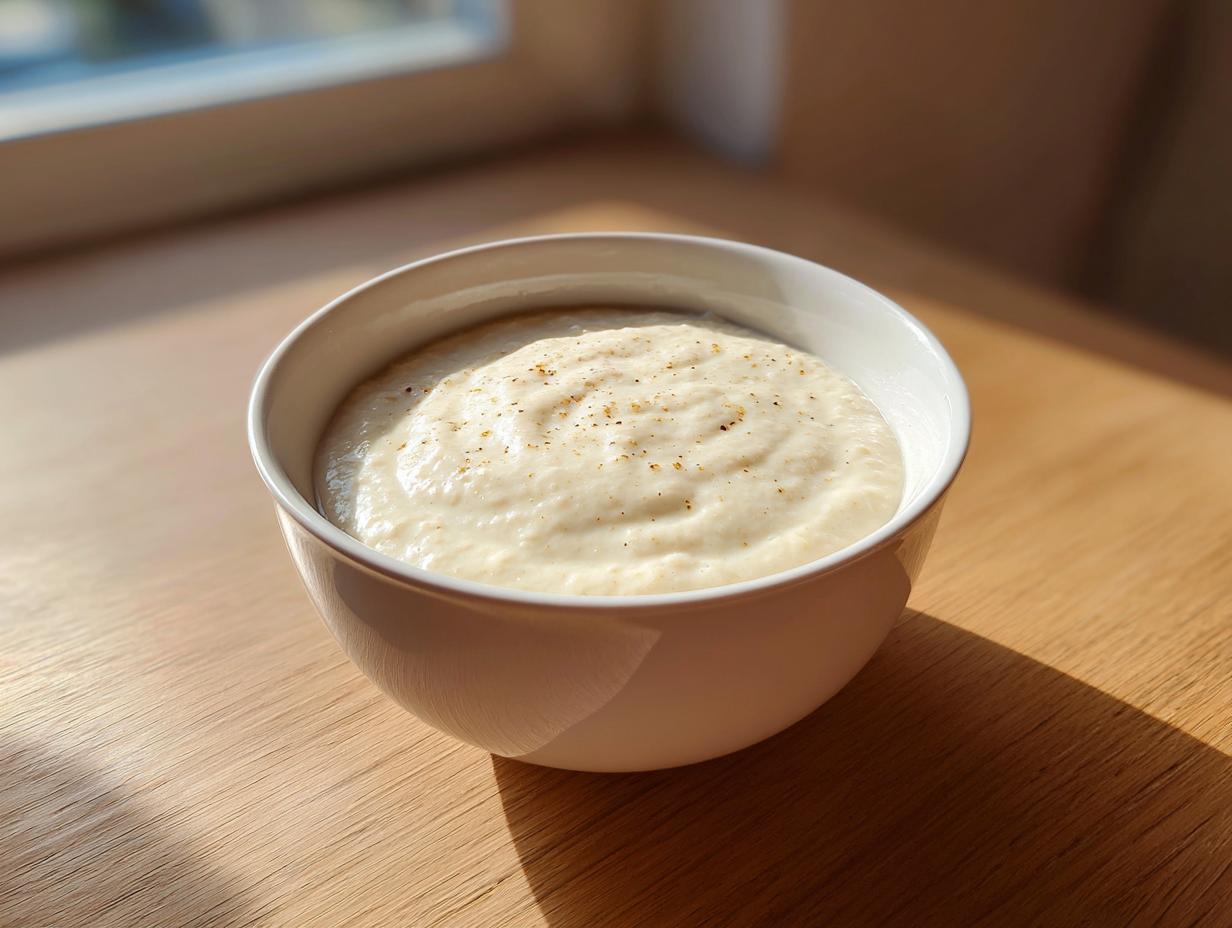
When the weather turns crisp, nothing hits the spot quite like comfort food, right? But comfort doesn’t have to mean hours slaving over a stove. I’m Zoe, and I’m here to translate pro secrets into your everyday kitchen language. This Velvety Creamy Roasted Cauliflower Soup is my go-to translation: taking the deep, savory flavor build you usually only get in a restaurant and simplifying it completely. We’re using roasting—a classic chef trick—to transform a simple head of cauliflower into the best cauliflower soup you’ve ever made. It’s quick enough for a Tuesday night dinner but tastes rich enough for company. Forget intimidating recipes; this is real talk for real good food.
- Why This Creamy Cauliflower Soup Is Your New Weeknight Favorite
- Ingredients for Velvety Smooth Cauliflower Soup
- Mastering the Roasted Cauliflower Soup Technique
- How to Prepare Your Easy Cauliflower Soup Recipe
- Tips for the Best Homemade Cauliflower Soup
- Serving Suggestions for Your Warm Winter Soup
- Storage and Reheating Your Nutritious Vegetable Soup
- Frequently Asked Questions About Cauliflower Soup
- Estimated Nutritional Snapshot for This Cauliflower Soup
Why This Creamy Cauliflower Soup Is Your New Weeknight Favorite
Seriously, if you need a hug in a bowl you can make fast, this is it. This creamy cauliflower soup delivers major satisfaction without the usual fuss. It’s the perfect example of a fantastic quick weeknight soup that punches way above its weight class in flavor.
Here’s what makes it an instant classic:
- Velvety Texture: We’re talking truly silky smooth. That roasting step just changes everything!
- Serious Comfort Food Soup: It’s rich, warm, and deeply savory—exactly what you crave when you walk in the door.
- Super Speedy: You’re looking at less than an hour total, which is phenomenal for something this delicious.
- Low Carb Friendly: Because we use whole vegetables and cream instead of potatoes, it fits right into healthier eating plans, too.
It’s proof that simple ingredients, treated right, create the best homemade soup.
Ingredients for Velvety Smooth Cauliflower Soup
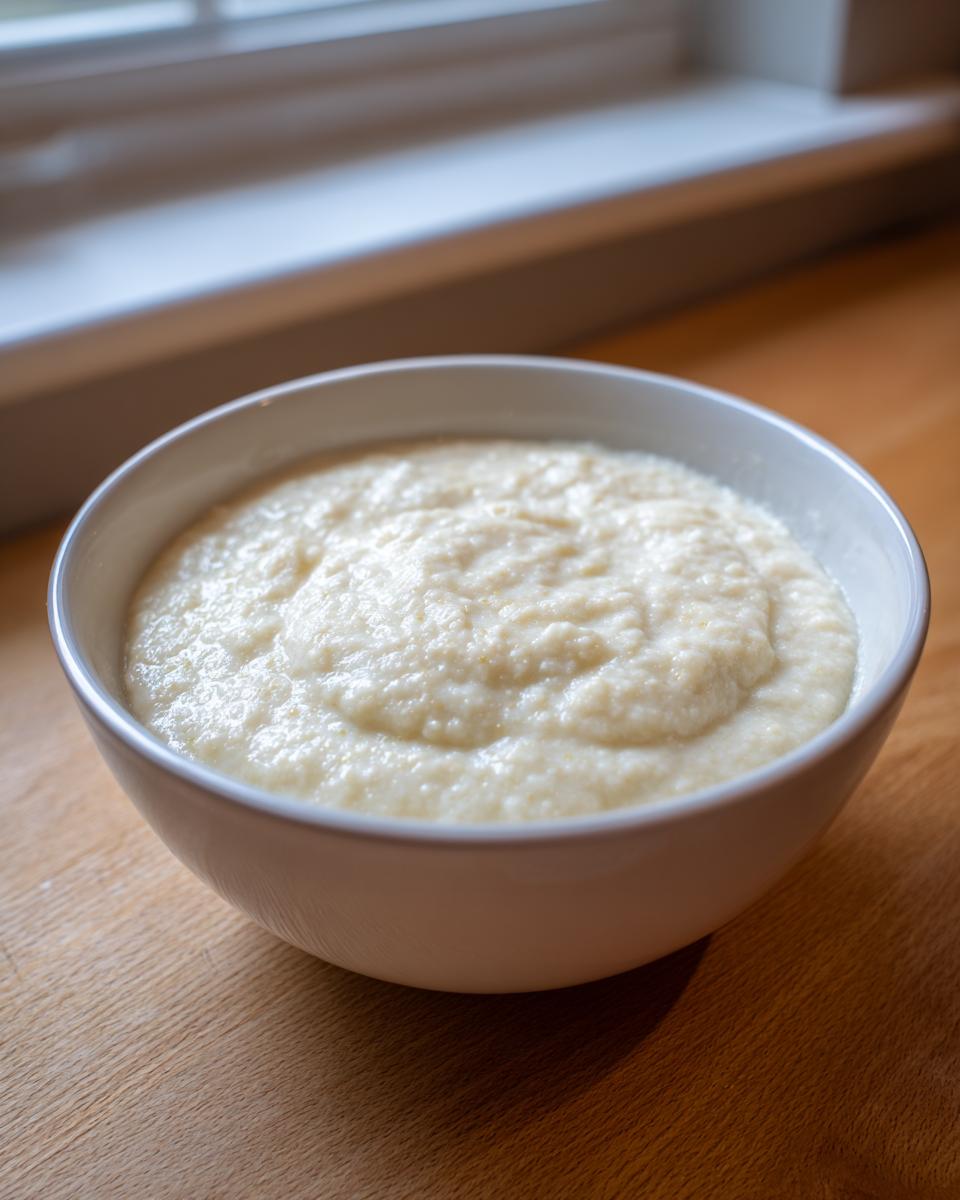
Alright, let’s talk gear. When we’re aiming for that signature velvety smooth soup texture, the ingredients are where the magic starts. For this recipe, you’ll need most of a large head of cauliflower, cut into nice, even florets. Don’t forget the aromatics: one medium yellow onion, chopped, and three cloves of garlic, minced—use fresh! You’ll also need four cups of your favorite low-sodium chicken or vegetable broth. The richness comes from one cup of heavy cream, but if you’re keeping it lighter, half-and-half works too. Finally, grab half a cup of grated Parmesan cheese, two tablespoons of olive oil, two tablespoons of butter, and salt and pepper to taste. Simple, right?
Mastering the Roasted Cauliflower Soup Technique
If you take one thing away from this whole recipe, let it be this: don’t skip the roasting! When I worked in that bistro, we roasted everything that would hold up well. It’s the easiest way to take your cauliflower soup from tasting like boiled vegetables to being the rich, satisfying food you’re dreaming about. Roasting caramelizes the natural sugars in the cauliflower, giving you a depth of flavor that just simmering can never achieve.
This crucial step is where we build that signature flavor profile without adding a ton of heavy ingredients. It’s pure transformation happening right on your baking sheet.
Roasting the Cauliflower for Deep Flavor
Here’s the lingo: Toss your cauliflower florets with just one tablespoon of olive oil. Don’t drown them; we just want a light coating. Then, hit it hard with salt and pepper—seasoning before cooking is essential for flavor penetration. Spread them out on a baking sheet so they have space to breathe and brown, not steam! You’re popping these into a hot oven, set to 400 degrees Fahrenheit, for about 20 to 25 minutes. Look for deep, golden-brown spots on the edges. That browning? That’s the flavor you want.
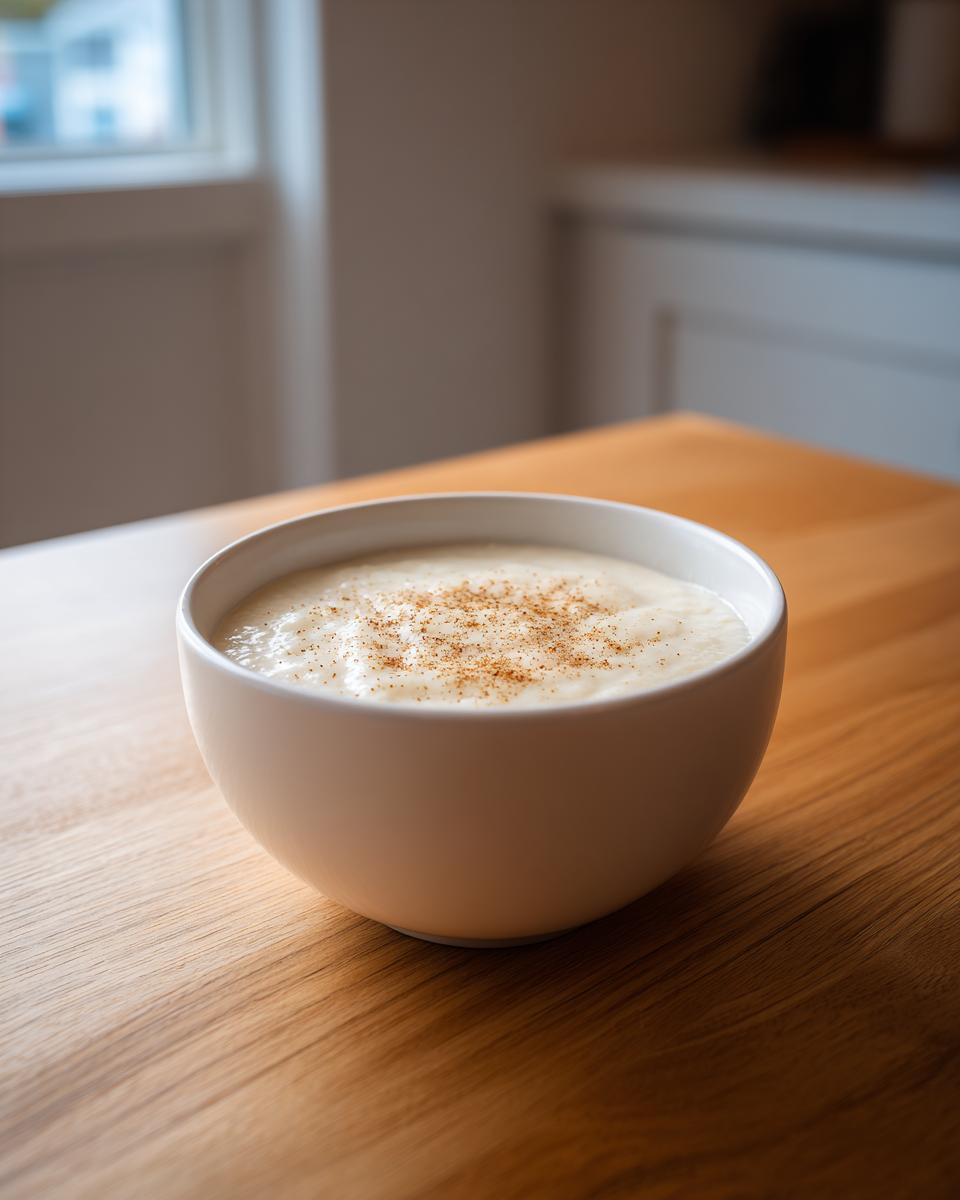
Once they look beautifully roasted, pull them out. If you want to see how I apply this same idea to root veggies, check out my guide on roasting potatoes and carrots—the principle is the same, and it always pays off!
How to Prepare Your Easy Cauliflower Soup Recipe
This is where that prep work from the roasting step pays off, turning simple steps into an incredibly satisfying, easy cauliflower soup recipe. Remember all those little flavor investments we made? Now we bring everything together on the stovetop. I’m Zoe, and I’m here to tell you that if you can sauté onions and push a button, you can nail this comfort food! Think of this process like learning a little kitchen slang to master any simple soup dinner.
Building the Aromatic Base
First things first, grab that big pot or Dutch oven. Melt your two tablespoons of butter over medium heat. Right into that shimmering fat go your chopped onions. Give them about five minutes, stirring occasionally, until they start looking soft and translucent—you’re not trying to brown them, just convince them to let go of their sharp flavor. Next up is the garlic! Toss in your minced garlic and cook it for just one minute. And listen closely: one minute only! Burnt garlic is bitter garlic, and that will absolutely ruin the beautiful flavor we built roasting the cauliflower.
Simmering and Achieving a Velvety Smooth Soup
Now, pour in all four cups of broth. Bring that up to a gentle simmer. Take your beautifully roasted cauliflower—which should be tender by now—and add it straight into the pot. Let it all simmer together for another five minutes so the broth picks up all those deep, roasted notes. When that’s done, it’s time for the transformation. Remove the pot from the heat. If you have an immersion blender, plunge it right in and blend until it’s completely smooth—we need that guaranteed velvety smooth soup finish. If you only have a standard blender, you have to carefully—and I mean *carefully*—transfer the soup in batches. Put the lid on loosely, hold the top down with a towel, and blend until silky. Back into the pot it goes! This blending step is just as important as the roasting for ensuring a great creamy cauliflower soup.
Return the pot to low heat. Stir in your heavy cream and that grated Parmesan cheese. You just need to warm it through; the moment that cheese melts, take it off the heat. Never boil soup once the cream is in, or you risk breaking that gorgeous emulsion we worked so hard to create. Give it a final taste check for seasoning before serving!
Tips for the Best Homemade Cauliflower Soup
When you’re aiming for the best homemade soup—one that truly wows people—a couple of tiny tweaks make all the difference. We already covered roasting, but let’s talk texture and substitutions for those looking for other low carb soup ideas. Remember, making this your own doesn’t mean sacrificing that incredible, rich flavor.
If you want this soup to taste like it came straight from a high-end restaurant, I promise you, the blending part is non-negotiable. Plus, it’s great to know that you can adapt this recipe easily for different dietary needs!
Achieving Maximum Smoothness
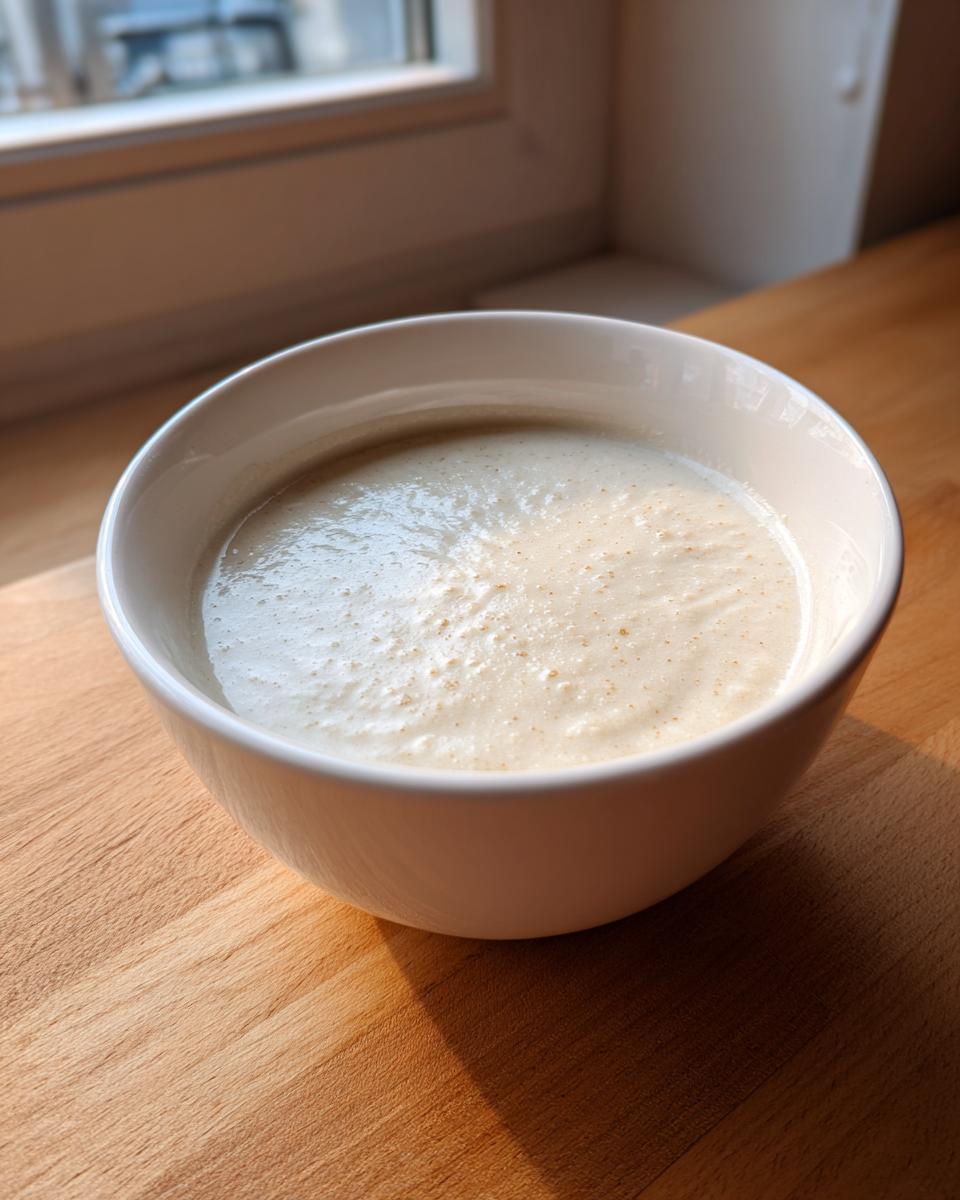
I said it before, but I’ll shout it from the rooftops: the secret sauce to this creamy cauliflower soup is making it unapologetically smooth. If you have a high-powered blender, use it! Let the cauliflower and broth get really hot, and then blend in batches until it is absolutely silky. You shouldn’t feel even a single grain of vegetable anywhere. If your soup looks a little thin after blending, go back to the heat and let it simmer uncovered for a few minutes to reduce slightly before adding the cream back in. For more insight on achieving that perfect velvety consistency without heavy dairy, check out this great read on flavor-building techniques.
If you want to try a version that focuses purely on texture without dairy, you might find some inspiration here too: M.A. Daily Recipes on Velvety Comfort. For those who lean into keto meals, you’ll find swapping dairy options simple; I talk about using coconut milk in my keto dessert guide, and the principle of swapping creaminess applies here too!
Serving Suggestions for Your Warm Winter Soup
Okay, your big bowl of warm winter soup is ready, it smells incredible, and it’s perfectly creamy—now what? That’s the fun part! You can serve this as a light starter, but honestly? It’s hearty enough to be the main event, especially with the right partners on the plate. We eat with our eyes first, and toppings are where you get to play dress-up.
For ultimate comfort food vibes, think texture contrast. A sprinkle of crispy bacon bits is always a winner—the salty crunch against the smooth soup is just divine. If you’re keeping it vegetarian, toasted croutons tossed with garlic powder are fantastic.
I always keep some fresh chives ready to snip right over the top for a little color and bite. And if you’re feeling fancy, a tiny drizzle of good truffle oil right before serving? Wow. That elevates this simple soup instantly. If you’re looking for something substantial to dip into that velvety base, try pairing it with my recipe for easy garlic naan bread. It’s perfect for scooping up every last drop.
Storage and Reheating Your Nutritious Vegetable Soup
We made a big batch because, let’s be real, this soup tastes even better the next day! You can keep this nutritious vegetable soup in an airtight container in the fridge for about four days. That makes it perfect for easy meal prepping your healthy lunch recipes for the week.
When you reheat it, you just need to keep that creamy texture in mind. Never blast it on super high heat. Slow and low on the stovetop is the goal. If it seems a little thicker than you remember—which happens when the cream cools—just whisk in a splash of extra broth or milk until it loosens back up. It should be creamy cauliflower soup perfection again in minutes over medium-low heat!
Frequently Asked Questions About Cauliflower Soup
I get asked about this soup all the time—it’s funny how such a simple dish sparks so many questions! The main things people want to tweak are the texture and the dairy content, which is totally understandable. Here are the bits of kitchen slang I use when I’m adapting this recipe for different needs.
Can I swap the Parmesan for another cheese, like Cheddar?
That’s a great question regarding cheese substitutions! Parmesan melts beautifully and adds a salty depth without weighing down the texture. If you’re thinking of a cheddar cauliflower soup vibe, you certainly can use sharp cheddar! Just add it off the heat at the very end, stirring carefully until melted. Cheddar has more moisture and fat, so it might change the final ‘velvety smooth’ texture slightly, maybe making it a touch thicker, but it adds fantastic, familiar flavor.
How do I make sure this healthy cauliflower soup stays perfectly smooth?
If you want the smoothest soup possible, two things matter: first, roast your cauliflower until it’s really tender, almost mushy on the edges. Second, blend it aggressively! If you are using a standard blender, you *must* do it in batches and let the steam vent. Don’t just throw a hot liquid into a sealed blender—that’s how you end up with soup on the ceiling! Use your immersion blender right in the pot for the least messy, most consistent result every time.
Can this recipe be made completely vegan?
Absolutely! Making this a healthy cauliflower soup that fits vegan standards is super easy. The Parmesan is the main roadblock, but you can substitute nutritional yeast for that cheesy, umami flavor. Instead of heavy cream, use full-fat canned coconut milk—it gives you that same wonderful richness without any dairy. Just make sure your broth is vegetable-based, and you’re golden!
Does roasting the cauliflower really improve the flavor that much?
YES. It’s the entire game-changer for any cauliflower soup. Roasting isn’t just for color; it actually concentrates the vegetable’s inherent sweetness and removes that slightly sulfurous bite raw cauliflower can have. It’s the single most effective step for giving this soup that deep, lingering flavor that makes people ask what your secret is.
Estimated Nutritional Snapshot for This Cauliflower Soup
Look, I’m Zoe, not a certified nutritionist, so take these numbers as a fantastic, well-informed estimate based on using standard heavy cream and vegetable broth, okay? When we talk about a nutritious vegetable soup that sneaks in all that fat for flavor, it’s important to know what you’re getting. This breakdown gives you the general outline, but your actual values will change slightly based on the Parmesan you use or if you opt for that lighter half-and-half substitute.
Remember, we built this recipe focusing on deep, satisfying flavor for a true comfort food soup, so the fat content reflects that richness. This estimate is based on four servings.
- Serving Size: 1.5 cups
- Calories: 320
- Fat: 25g (Includes 14g Saturated Fat)
- Carbohydrates: 18g (With 5g Fiber)
- Protein: 10g
- Sugar: 7g
- Sodium: 450mg
- Cholesterol: 65mg
Seriously, for a soup this rich and velvety, those numbers are excellent for a home-cooked meal. That high fiber content alone proves it’s a winner compared to something heavy like a traditional potato-based chowder!
PrintVelvety Creamy Roasted Cauliflower Soup
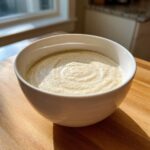
You get a rich, smooth cauliflower soup that tastes like comfort food. This recipe uses roasting to deepen the flavor, making it a satisfying main dish or starter for any weeknight.
- Prep Time: 15 min
- Cook Time: 35 min
- Total Time: 50 min
- Yield: 4 servings 1x
- Category: Dinner
- Method: Stovetop/Roasting
- Cuisine: American
- Diet: Low Fat
Ingredients
- 1 large head cauliflower, cut into florets
- 2 tablespoons olive oil
- 1 medium yellow onion, chopped
- 3 cloves garlic, minced
- 4 cups low-sodium chicken or vegetable broth
- 1 cup heavy cream (or half-and-half for a lighter soup)
- 1/2 cup grated Parmesan cheese
- 1 teaspoon salt
- 1/2 teaspoon black pepper
- 2 tablespoons butter
Instructions
- Preheat your oven to 400 degrees Fahrenheit. Toss the cauliflower florets with 1 tablespoon of olive oil, salt, and pepper on a baking sheet. Roast for 20 to 25 minutes until tender and lightly browned. This step builds deep flavor.
- While the cauliflower roasts, melt the butter in a large pot or Dutch oven over medium heat. Add the chopped onion and cook until soft, about 5 minutes.
- Add the minced garlic to the pot and cook for 1 minute until fragrant. Do not let the garlic burn.
- Pour in the broth and bring the mixture to a simmer. Cook for 5 minutes to let the flavors combine.
- Add the roasted cauliflower to the pot. Simmer for another 5 minutes.
- Remove the pot from the heat. Use an immersion blender to blend the soup until it is completely smooth and velvety. If you do not have an immersion blender, carefully transfer the soup in batches to a standard blender and blend until smooth, returning it to the pot.
- Return the pot to low heat. Stir in the heavy cream and Parmesan cheese until the cheese melts and the soup is heated through. Do not boil after adding the cream.
- Taste the soup and adjust salt and pepper as needed. Serve immediately with your favorite toppings.
Notes
- For a low carb soup idea or keto friendly option, substitute the heavy cream with full-fat coconut milk or use less Parmesan cheese.
- To achieve that silky smooth soup texture, make sure you blend thoroughly. A high-powered blender works best for the most velvety result.
- Garnish this comfort food soup with crispy bacon bits, fresh chives, or a drizzle of truffle oil for an elegant touch.
Nutrition
- Serving Size: 1.5 cups
- Calories: 320
- Sugar: 7g
- Sodium: 450mg
- Fat: 25g
- Saturated Fat: 14g
- Unsaturated Fat: 11g
- Trans Fat: 0g
- Carbohydrates: 18g
- Fiber: 5g
- Protein: 10g
- Cholesterol: 65mg