

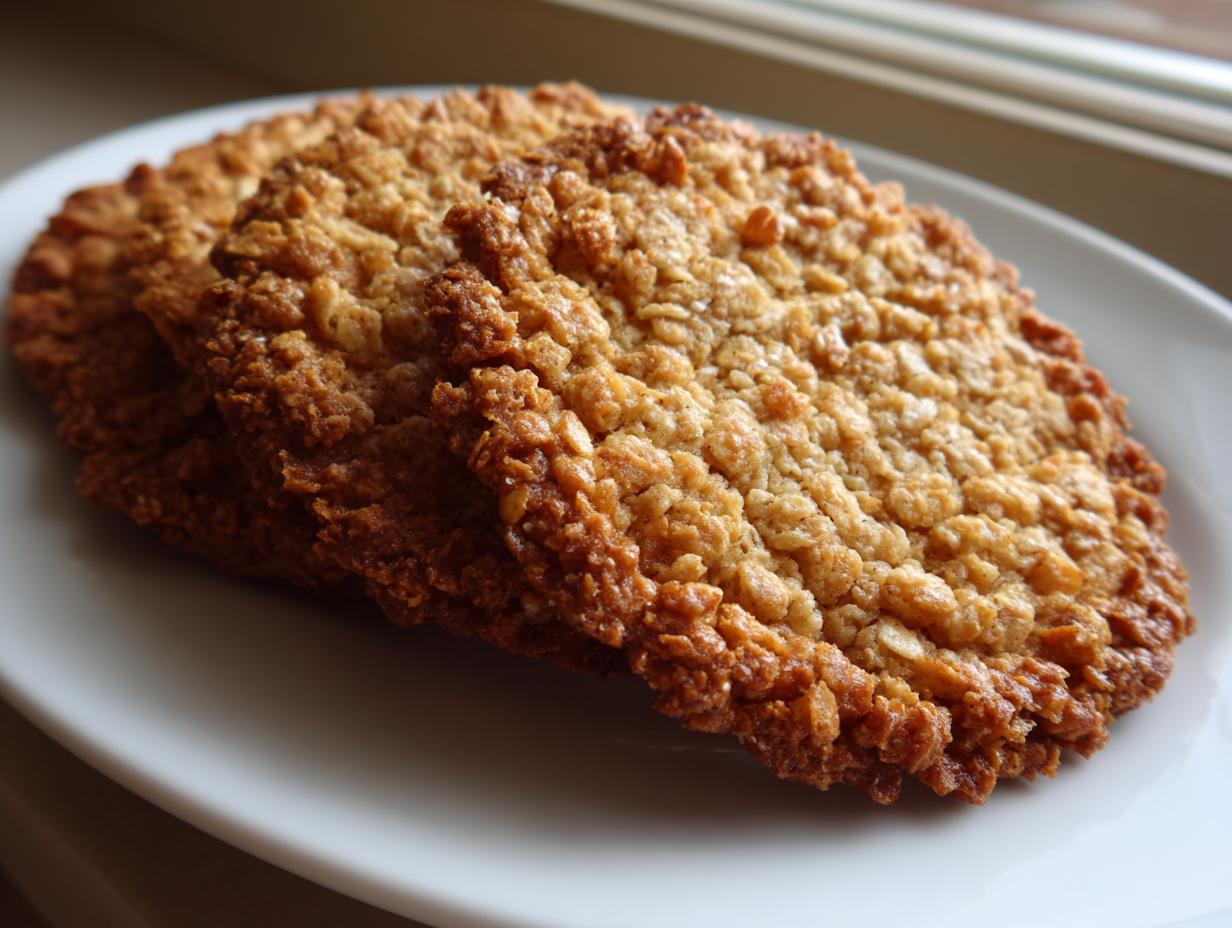
Everyone chases that perfect cookie texture, right? You want the edges shatteringly crisp, but the middle needs that satisfying, buttery chew. If you’ve made a batch of oatmeal lace cookies that look like thin, brittle Frisbees, don’t worry—I get it. As someone who learned the lingo translating professional kitchen secrets for your countertop, I’m here to show you the cheat code.
This recipe for “Perfectly Chewy Oatmeal Lace Cookies with Crispy Gold Edges” keeps the richness but locks in that satisfying softness. We’re bypassing the guesswork found in older recipe cards and delivering you flawless results today. Trust me, this melt-and-set method is a game-changer!
- Why This is the Best Lace Cookie Recipe for Texture Balance
- Gathering Ingredients for Your Oatmeal Lace Cookies
- How to Prepare Perfectly Textured Oatmeal Lace Cookies
- Tips for Success with Your Oatmeal Lace Cookies Recipe
- Variations: Chocolate Drizzled Lace Cookies and More
- Storage and Reheating Instructions for Homemade Oatmeal Snacks
- Frequently Asked Questions About Oatmeal Lace Cookies
- Nutritional Snapshot of These Buttery Oatmeal Treats
- Share Your Perfectly Textured Cookies
Why This is the Best Lace Cookie Recipe for Texture Balance
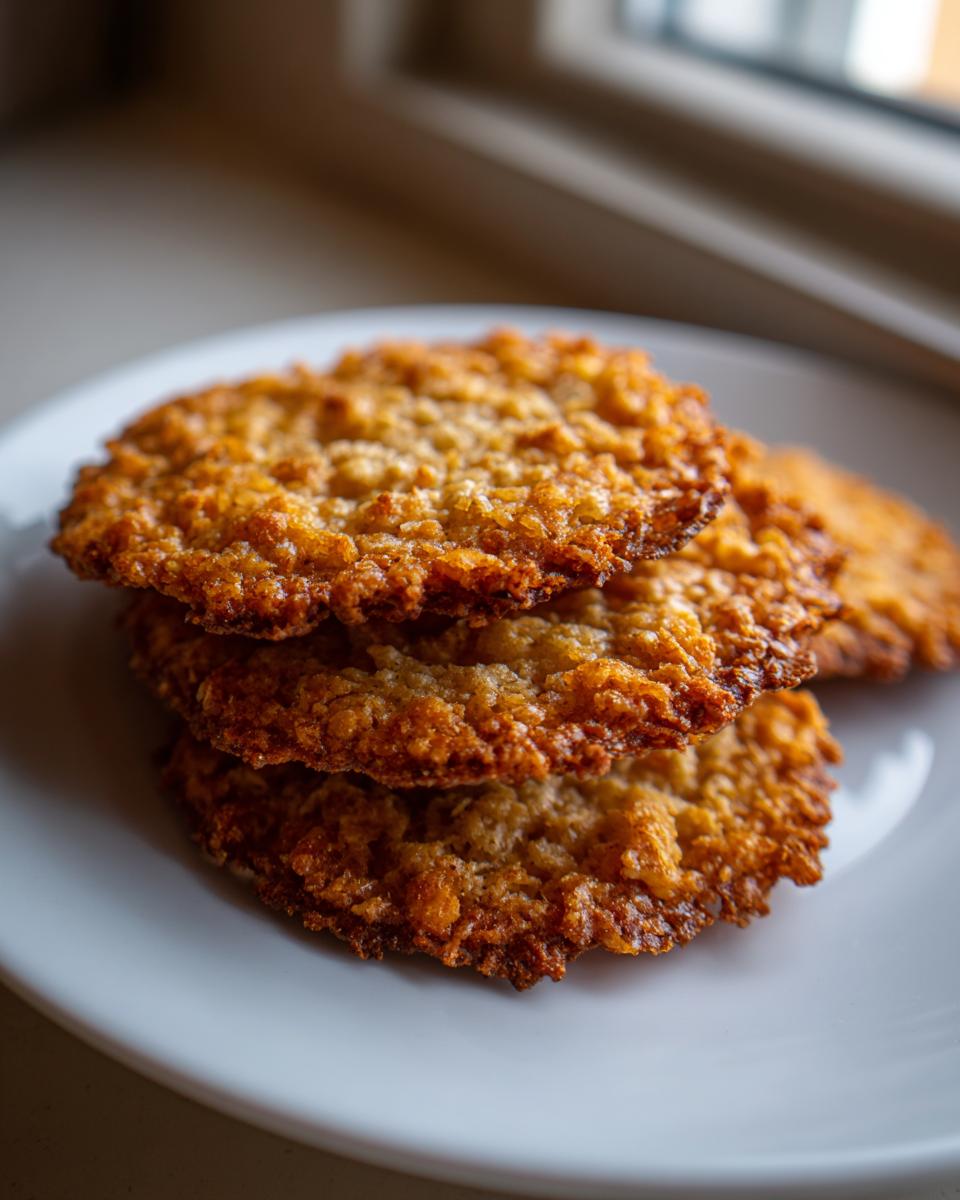
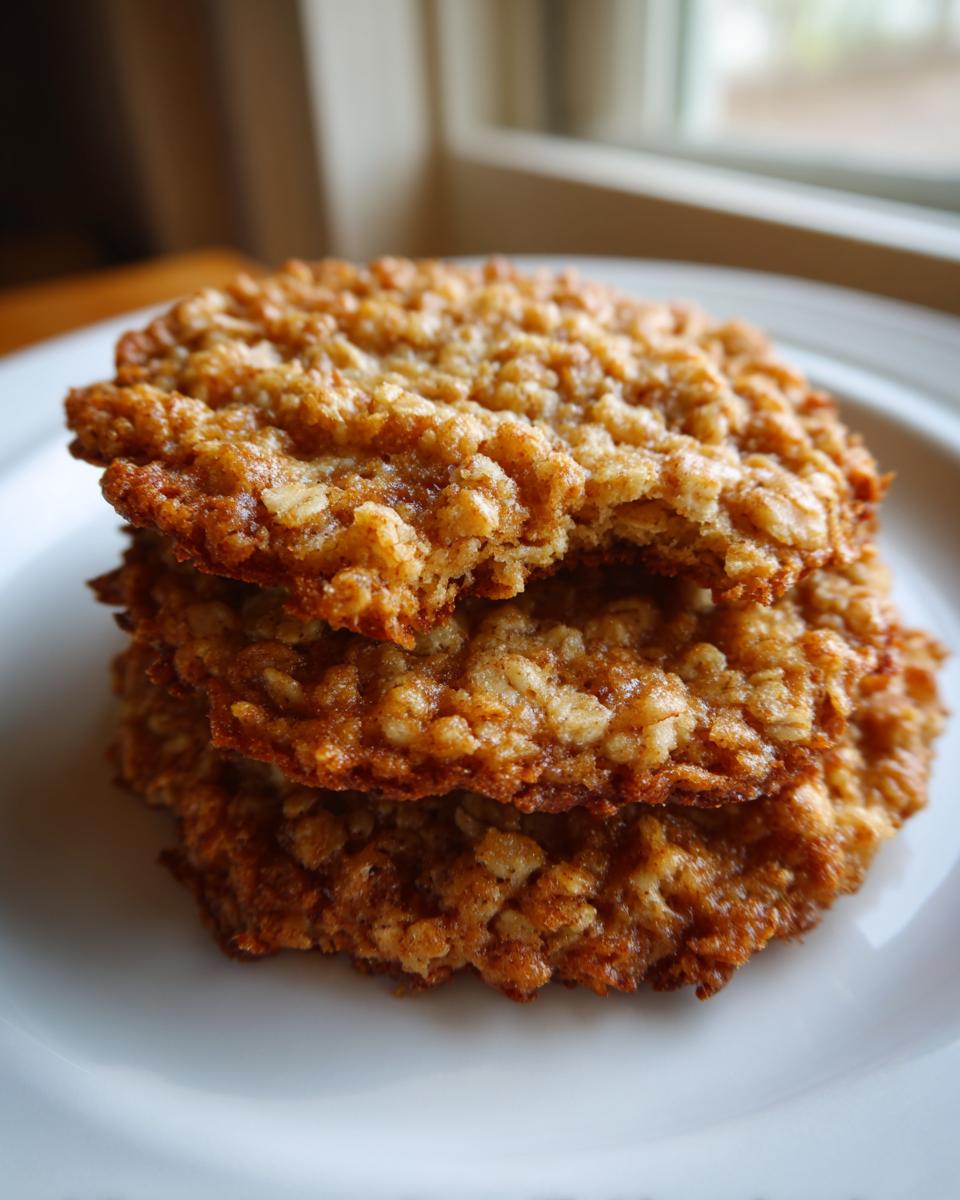
The struggle with a lot of oatmeal lace cookies is that they either go fully crisp—like a cracker—or they don’t spread enough and stay doughy in the middle. That’s the tension we are solving here! My method ensures you get those perfectly browned, crispy oatmeal cookies edges that look delicate but give you that snap, while keeping the heart of the cookie soft.
This is thanks to the specific creaming and baking timing. If you’ve ever ended up with sad, flat, brittle discs, it’s usually because you baked them too long. We nail that balance right in the oven, giving you the best chewy lace cookies you’ve ever made at home. Check out how fast we do it, too! See the results here.
Quick Bake Cookies: Speed Meets Perfection
The secret to keeping that center chewy while achieving golden lace is sheer speed. These turn into quick bake cookies because they truly need almost no time at all. We’re looking at 6 to 8 minutes, tops. That quick blast of heat sets the sugars and fats just enough to spread thinly, creating that beautiful webbing, but it keeps the interior tender before it has a chance to dry out. Faster bake, better texture—that’s professional line talk for you!
Gathering Ingredients for Your Oatmeal Lace Cookies
One of the best things about these beautiful, delicate cookies is that they don’t demand anything fancy. We’re talking about simple pantry staples here. But precision matters when you’re balancing chew and crispiness! You need 1 cup of butter that’s softened—not melted, softened!—and don’t forget to pack that light brown sugar for accurate sweetness.
The absolute non-negotiable for me? You must use old-fashioned rolled oats. If you reach for the instant stuff, you’ll lose that structure that defines true oatmeal lace cookies. Those flakes hold up to the spreading action better than anything else. They become those caramelized flecks of gold!
Ingredient Notes and Substitutions for Buttery Oatmeal Treats
If you’re adding shredded sweet coconut—and I highly recommend it for an extra layer of texture—make sure it’s the regular shredded kind, not the huge giant flakes. Also, remember how I talked about the sugar content giving us the lace? That’s key. Because this recipe relies on the high sugar and butter ratio to melt thin, trying to swap in keto sweeteners usually messes up the spread dramatically. Stick to the list for that perfect buttery treat!
How to Prepare Perfectly Textured Oatmeal Lace Cookies
Okay, this is where the magic happens, and where line cooks separate themselves from home bakers. It’s all about technique, not complexity. First things first—don’t skimp on prepping your sheets with parchment or silicone mats. If you grease them, these cookies will swim right off the pan edge!
The real key to getting that delicate structure is in step two: creaming the butter and both sugars until they’re genuinely fluffy. I mean, really airy! That’s how we incorporate air—that’s the invisible ingredient that keeps these oatmeal lace cookies from being dense bricks. You want that mix pale yellow and light, maybe three full minutes with your mixer. If you struggle with getting the right spread, check out these precise pointers on preventing flat cookies right here.
Mixing the Dough for Delicate Lace Cookies
Once you get the eggs and vanilla in, we switch to dry ingredients. Here’s the most important kitchen slang translation: when combining those dry ingredients, mix them until they are *just* combined. Seriously, the second you stop seeing flour streaks, stop mixing. Overmixing those oatmeal lace cookies develops gluten, which is great for bread, terrible for delicate texture. We want tenderness!
Next, you absolutely must spread these dough balls out on the baking sheet! I’m talking at least three inches between each spoonful. If you crowd them, they melt into one giant, sticky, lacy mess. And who wants that?
Baking and Cooling Caramelized Oatmeal Cookies
Bake these beauties hot and fast at 350°F. Watch them like a hawk! They only need 6 to 8 minutes. When the edges hit that deep golden brown—that means the sugars are properly caramelizing—it’s time to pull them out. These are your beautiful caramelized oatmeal cookies!
This next part is crucial for texture, so listen up. You *must* let them sit on the hot sheet for two full minutes before attempting to move them. Those two minutes are when the hot cookie cools just enough to set up those thin edges, giving you the crispness you crave without letting the center fully harden. If you try to move them instantly, they’ll fold or tear. Patience!
Tips for Success with Your Oatmeal Lace Cookies Recipe
Look, even with the best recipe in hand, these delicate cookies can sometimes be tricky. That’s why you need a few insider cookie baking tips that chefs use to stop these thin beauties from going sideways. We’re aiming for perfection here—I’m talking about perfectly textured cookies, every single time.
The two biggest worries I hear about regarding these oatmeal lace cookies are sticking and spreading too much. If you followed the parchment paper rule, sticking shouldn’t be an issue, but if you get any resistance when you slide that spatula under a warm cookie, give it thirty more seconds on that hot pan. Don’t force it!
Achieving the Lacy Dessert Ideas Look
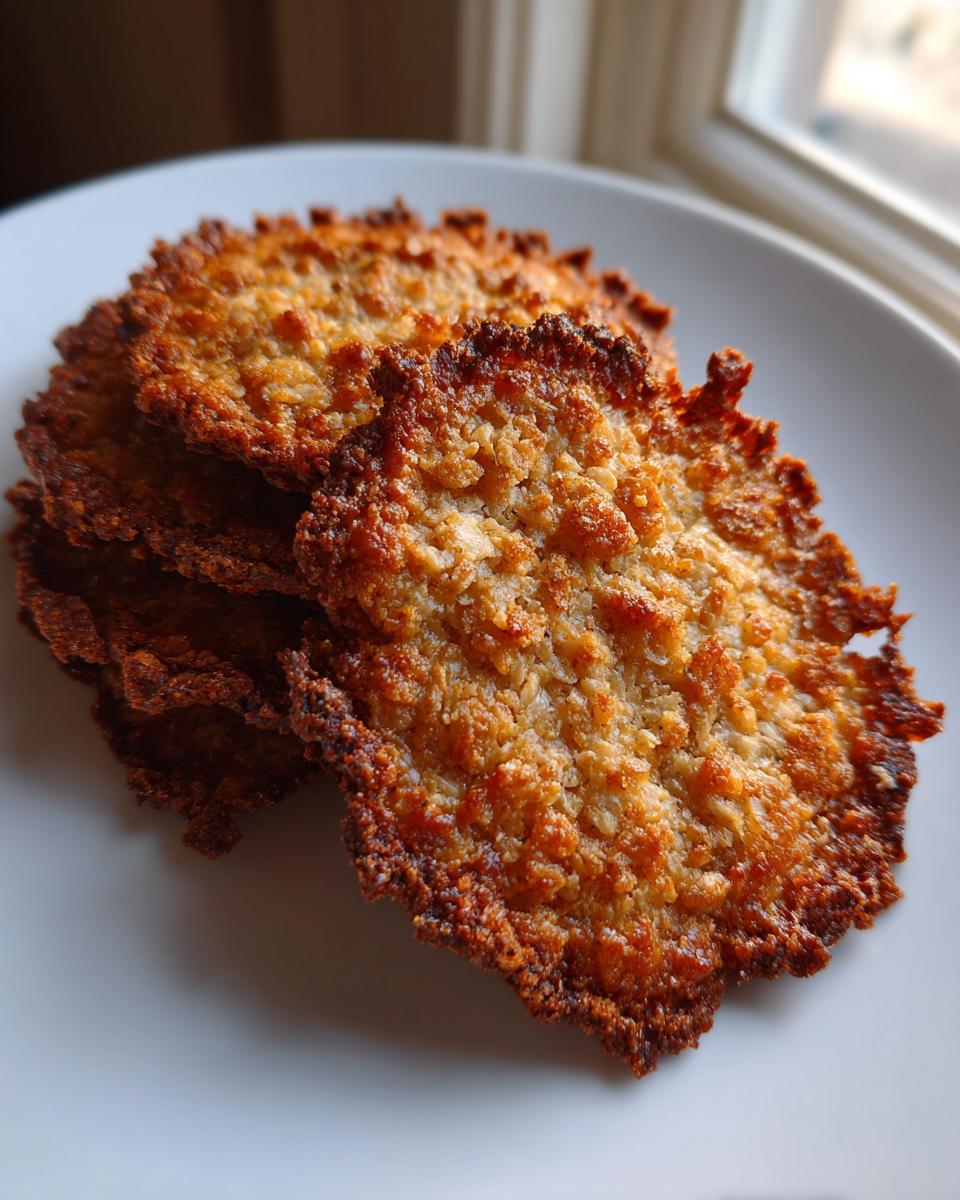
That signature webbed look? That’s not luck; that’s science, baby. The high amount of butter and sugar in the formulation means that when it hits the heat, it has to go somewhere, so it melts and stretches out thin across the parchment. That stretching is what creates the lace pattern we love.
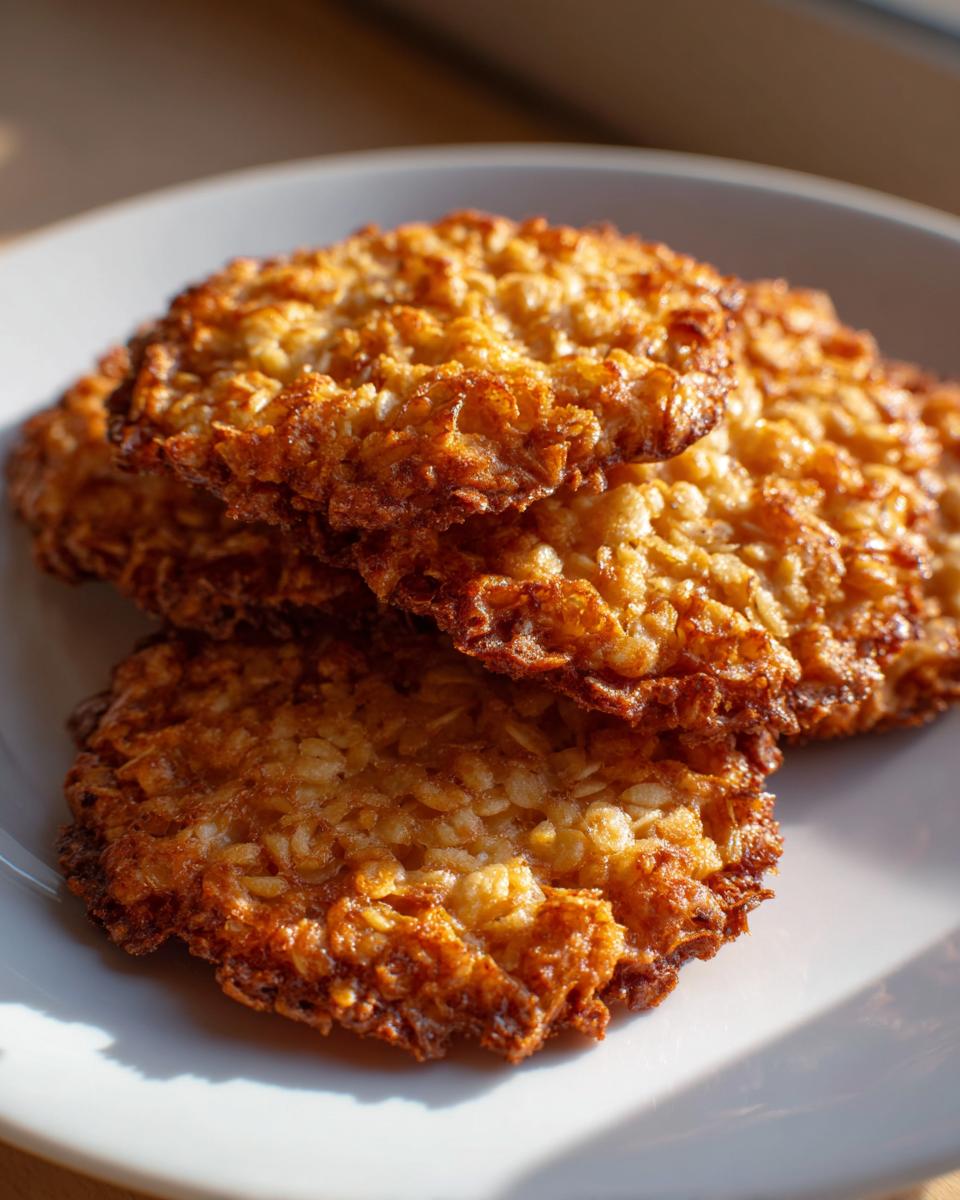
Because of this natural spreading, you have to resist the urge to touch the dough balls before they go into the oven. If you flatten them with a fork or the bottom of a glass, you’re defeating the purpose! You’re basically pre-spreading them, and they’ll just turn into one giant, greasy sheet instead of individual, lacy treats. Don’t flatten them; let the heat do the heavy lifting. For more ideas on presentation, check out some gorgeous chewy versions here.
Variations: Chocolate Drizzled Lace Cookies and More
Now that you’ve mastered the perfect texture for your oatmeal lace cookies—crisp on the edge, soft inside—it’s time to dress them up! Even though these buttery treats are fantastic all on their own, a little drizzle takes them straight to holiday cookie platter status. Plus, sometimes we just need a bit more chocolate in our lives, right?
The recipe includes melting down some semi-sweet chips for a beautiful finish, which usually happens once the cookies are completely cool. Trust me on this one: if you try to drizzle warm cookies, the chocolate just melts right into them, or worse, you end up with melted chocolate fingers. Wait until they are totally room temperature!
To get that professional, thin drizzle, I usually melt my chocolate gently, and if it seems too thick to fall nicely off the fork, I thin it out just a touch with a half-teaspoon of coconut oil or vegetable oil. This keeps the chocolate softer when it sets up. You can check out another great recipe variation that includes chocolate over here.
If you’re feeling like creating something that feels more like those heirloom sweets your grandparents made, try mixing in a tiny pinch of nutmeg or even a dash of cardamom along with your standard vanilla when you mix the wet ingredients. It gives these simple pantry cookies a wonderfully complex, almost spicy undertone, making them feel like true Old Fashioned Lace Cookies.
Storage and Reheating Instructions for Homemade Oatmeal Snacks
These oatmeal lace cookies are so thin and delicate; storing them properly is crucial if you want to keep that amazing texture for longer than an hour. The first rule, and I can’t stress this enough, is that they must be completely, 100% cool before they even see a container. If you trap even a whisper of warmth in with them, that moisture goes right back into the cookie, and where there was crisp lace, you’ll end up with sticky, soft patches.
When they are totally cool, you need an airtight container, but you can’t just pile them in! They are too fragile for that aggressive stacking. I usually lay down a sheet of parchment paper first, then place a single layer of cookies down, then another sheet of paper, and then the next layer. You usually only get two or three layers safely stored this way.
If you store them like this, they last beautifully on the counter for almost a week, making them perfect for those impromptu cravings when you need homemade oatmeal snacks fast. They are actually great for freezing too, if you separate the layers with wax paper. When you pull them out, just let them thaw on the counter for about twenty minutes, and they snap right back to life. You can find some great ideas for making these ahead of time for holidays by clicking here.
Frequently Asked Questions About Oatmeal Lace Cookies
I know that when you try a new cookie recipe, especially one that seems this delicate, you’re going to have questions. Don’t worry, I’ve taken all the late-night messages I got when I first started teaching this stuff and put them right here. We want your experience making these oatmeal lace cookies to be smooth sailing from start to finish. Sometimes the older recipes, like those classic Grandma’s Cookie Recipes variations, skip crucial technique notes.
Can I make these oatmeal lace cookies keto or low-carb?
This is a big one! The short answer is: it’s really tough to translate this specific recipe directly to keto successfully. The spectacular spread, the caramelization, and that lacy webbing all happen because of the high ratio of granulated sugar and brown sugar melting perfectly in the oven. If you pull that sugar out, you pull out the structure that keeps them thin. If you are looking for a low-carb option, you’ll need a specialized recipe that uses alternative fats and bulking agents designed for keto baking. Sticking to this high-fat, high-sugar blueprint is what guarantees that buttery snap we are after!
Why are my cookies too thick instead of lacy?
If your cookies baked up looking like little drops of dough instead of wide, delicate lace, you’ve probably missed one of two critical steps. First, check your oats—are you absolutely sure you used old-fashioned rolled oats and not instant oats? Instant oats break down too quickly and don’t give you that structural support when the cookie spreads. Second, look back at your creaming step. Did you cream the butter and sugars for those full three minutes until they were genuinely light and fluffy? If you stop short of that airy texture, you haven’t whipped in enough air, and the dough stays heavier, resulting in thicker, chewier mounds instead of thin ribbons.
Nutritional Snapshot of These Buttery Oatmeal Treats
Okay, so we are dealing with a big, luscious, buttery cookie here, so let’s be real about what goes into these Buttery Oatmeal Treats. I always tell people that tracking macros while baking cookies is like trying to herd cats—it’s close, but never exact! But for those of you who need the numbers, here is the estimate for one cookie based on the full recipe yield. Remember, this is an estimate, and your delicious outcome might vary slightly based on how much you enjoyed sneaking dough samples!
Since these oatmeal lace cookies melt down so thin, a single cookie serves up a surprising amount of flavor for its size. We’re sticking to the standard serving size of one cookie for this breakdown:
- Calories: Around 110 per cookie. A perfect little treat!
- Fat: Roughly 7g. A good amount of that is the butter that gives us that amazing texture and richness.
- Carbohydrates: About 11g total.
- Sugar: That accounts for about 11g of that carb count, which is expected because that sugar is doing all the hard work creating that lace!
- Protein: A modest 1g.
It’s not exactly health food, but it’s the best kind of satisfying indulgence. When you bake these, you’re aiming for that caramelized flavor and delicate structure, and these numbers reflect that pure, buttery, indulgent cookie experience!
Share Your Perfectly Textured Cookies
So there you have it—the full translation for making oatmeal lace cookies that have that crisp, golden edge and a satisfying, chewy heart. Honestly, the best part of sharing these recipes isn’t just watching you bake them; it’s hearing about how they turned out!
I really want to know what you think. Did you nail that 6-minute bake time? Tell me below: did you end up with chewy centers or did you prefer them totally crisp throughout? Rate this recipe for me so other home cooks know what to expect!
And seriously, if you managed to get that incredible lace effect, I need to see it. Snap a photo! You can tag me on social media, or just leave a great comment right here on the site about your experience. I love seeing your success stories because when you nail a tricky technique like this, it feels like a real victory. Don’t hesitate to share any little swaps you made, too, especially if you decided to try some fun drizzle ideas from other great lacy dessert ideas online!
Happy baking, everyone. Let me know how your perfect texture turned out!
PrintPerfectly Chewy Oatmeal Lace Cookies with Crispy Gold Edges

This recipe translates the chef’s trick for achieving oatmeal lace cookies that are delicate and thin with crisp edges and a satisfyingly chewy center. You get buttery, caramelized flavor in a quick bake.
- Prep Time: 15 min
- Cook Time: 8 min
- Total Time: 23 min
- Yield: About 3 dozen cookies 1x
- Category: Dessert
- Method: Baking
- Cuisine: American
- Diet: Vegetarian
Ingredients
- 1 cup (2 sticks) unsalted butter, softened
- 1 cup packed light brown sugar
- 1 cup granulated sugar
- 2 large eggs
- 1 teaspoon vanilla extract
- 1 cup all-purpose flour
- 1 cup old-fashioned rolled oats
- 1/2 teaspoon baking soda
- 1/4 teaspoon salt
- 1 cup shredded sweet coconut (optional, for extra texture)
Instructions
- Prepare your baking sheets by lining them with parchment paper or silicone mats. Do not grease the paper.
- In a large bowl, cream together the softened butter, brown sugar, and granulated sugar until the mixture is light and fluffy. This takes about 3 minutes with an electric mixer.
- Beat in the eggs one at a time, mixing well after each addition. Stir in the vanilla extract.
- In a separate bowl, whisk together the flour, rolled oats, baking soda, and salt. If using, mix in the coconut now.
- Gradually add the dry ingredients to the wet ingredients, mixing on low speed until just combined. Do not overmix. The dough will be soft.
- Drop rounded teaspoons of dough onto the prepared baking sheets, spacing them at least 3 inches apart. These cookies spread significantly. You will likely need to bake them in small batches.
- Bake in a preheated oven at 350°F (175°C) for 6 to 8 minutes. Watch closely; the edges should turn a deep golden brown, and the centers will look set but still slightly soft.
- Remove the sheets from the oven. Let the cookies cool on the baking sheet for 2 minutes. The edges will crisp up as they cool.
- Carefully transfer the cookies to a wire rack to cool completely. If you try to move them too soon, they may break.
- If you want to add a chocolate drizzle, melt 4 ounces of semi-sweet chocolate chips and drizzle over the cooled cookies. Let the chocolate set before serving.
Notes
- For the best lace effect, use old-fashioned rolled oats, not instant oats.
- The key to the lacy texture is the high sugar and butter content, which melts and spreads thin. Do not flatten the dough balls before baking.
- If you want a chewier center, pull the cookies out right when the edges are golden. If you prefer them crisp throughout, bake for an extra minute until the center looks slightly darker.
- These are excellent for gifting during the holidays; store them in an airtight container once fully cooled.
Nutrition
- Serving Size: 1 cookie
- Calories: 110
- Sugar: 11g
- Sodium: 35mg
- Fat: 7g
- Saturated Fat: 4g
- Unsaturated Fat: 3g
- Trans Fat: 0g
- Carbohydrates: 11g
- Fiber: 0.5g
- Protein: 1g
- Cholesterol: 25mg