

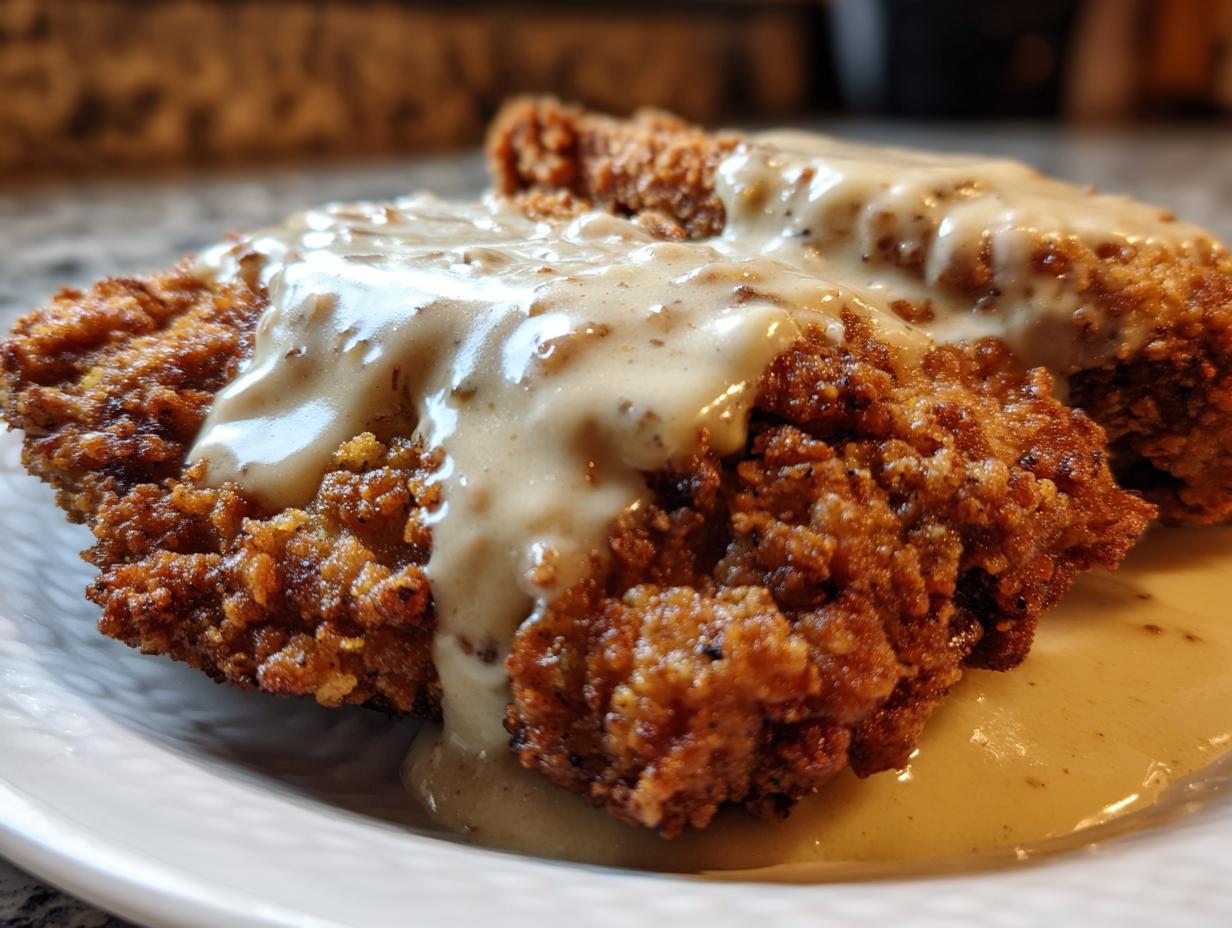
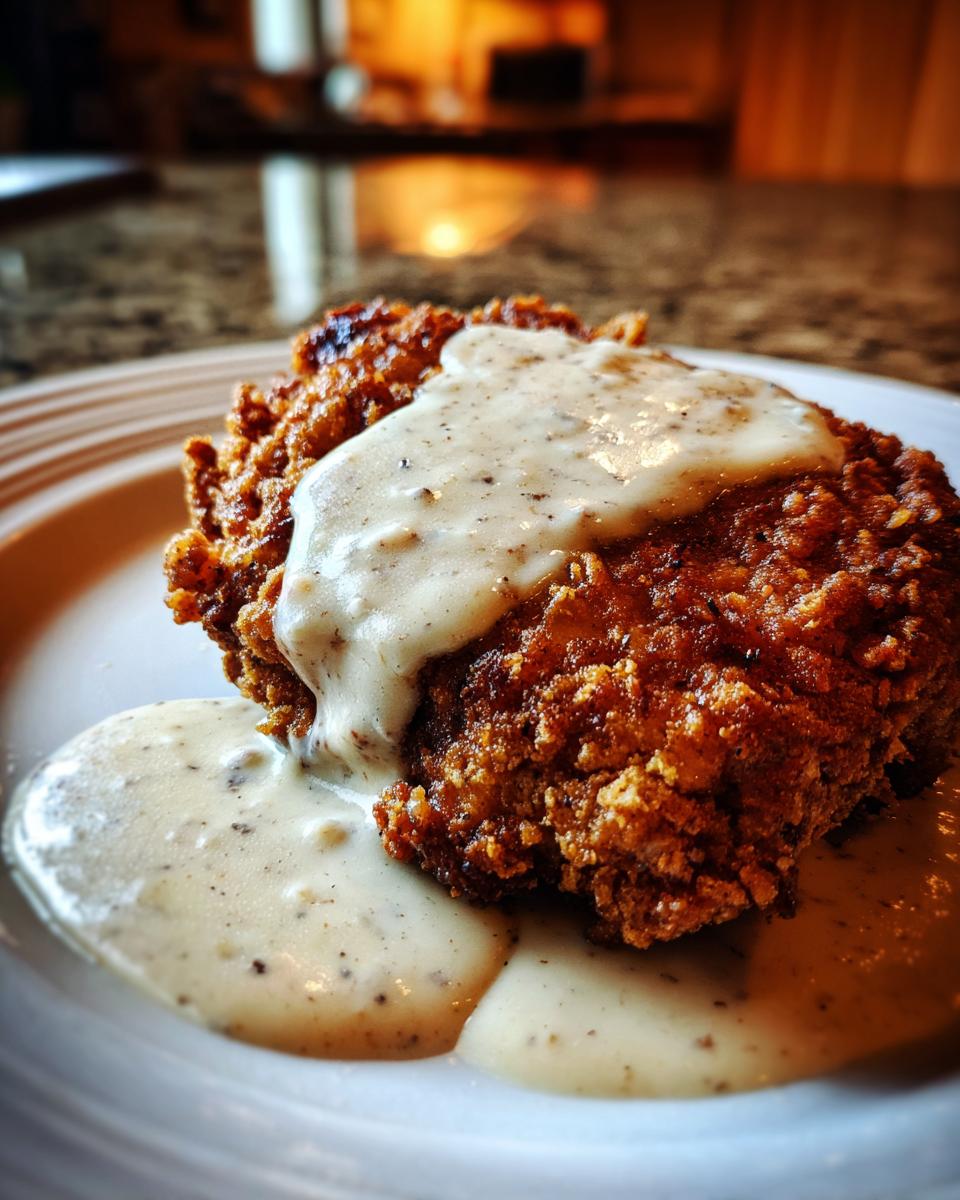
When you picture true Southern comfort food dinner, what are you seeing? I bet it involves something golden brown, fried until it crackles, and absolutely drowned in creamy white gravy. Yep. But let’s be real: most homemade chicken fried steak recipes end up with either a soggy crust or a gravy that looks more like paste than velvet. That’s where we step in. I’m Zoe, and here at Kitchen Slang, we translate the chef lingo into real talk for you. This weeknight steak dinner idea, the Ultimate Crispy Chicken Fried Steak with Rich Country Gravy, cuts through the noise. We’re using line-cook secrets to ensure maximum crunch and zero lumps. Forget the disappointment—we are making restaurant style chicken fried steak tonight.
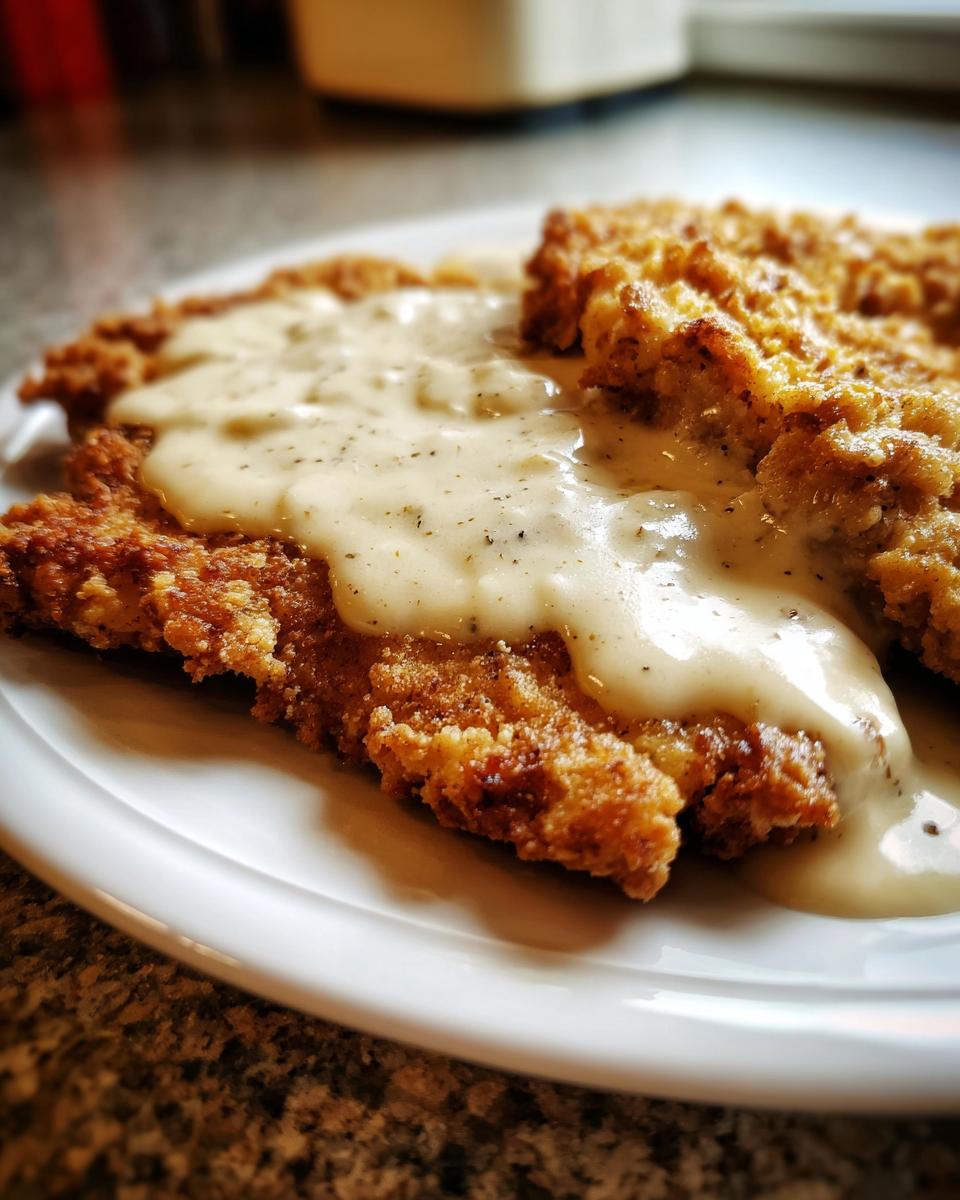
- Why This is the Ultimate chicken fried steak Recipe (The Kitchen Slang Secrets)
- Ingredients for your Crispy chicken fried steak with Creamy Country Gravy Recipe
- Step-by-Step Instructions for your easy homemade chicken fried steak
- Tips for Success with your chicken fried steak
- Ingredient Notes and Substitutions for chicken fried steak
- Serving Suggestions: The Best Sides for chicken fried steak
- Storage and Reheating Instructions for Leftover chicken fried steak
- Frequently Asked Questions about making chicken fried steak
- Share Your Southern Comfort Food Dinner Experience
Why This is the Ultimate chicken fried steak Recipe (The Kitchen Slang Secrets)
The difference between a decent Country Fried Steak and an unforgettable one comes down to a couple of professional moves the line cooks always use. This isn’t just *another* classic chicken fried steak recipe; it’s the blueprint for achieving that sought-after, restaurant style chicken fried steak texture at home. We’re tackling the two biggest headaches head-on: getting it crispy and keeping the gravy smooth.
We want that steak thin and tender, but the crust needs to stand up to smothering. My secret? We build armor around that meat. This technique ensures you get that perfect crunch described in so many searches about how to make crispy chicken fried steak.
Building the Perfect Crispy Coating: The Double Dredge
Listen up, because this is where the magic happens. You aren’t just dipping this once; we’re going back in for a second coating. After the first flour toss, you hit the egg wash again, and then back into the seasoned flour. The trick isn’t just dipping; it’s *pressing*. You need to physically push that final layer of flour onto the steak so it adheres like cement. When that hits the hot oil, that coating locks together and forms those amazing, craggy edges that scream ‘crispy.’
Temperature Control for Perfect Frying
This is non-negotiable, honestly. If your oil is too cool, the steak soaks it up like a sponge, and you get greasy, soft disappointment. If it’s too hot, the crust burns before the center is done. We need the frying temperature locked right in at 350 degrees F. Use a thermometer! That specific heat allows the coating to set up hard and golden brown in just a few minutes per side while heating that cube steak right through to perfect tenderness.
Ingredients for your Crispy chicken fried steak with Creamy Country Gravy Recipe
Alright, I know seeing a list of ingredients can sometimes feel like reading a chemistry textbook, but trust me, this list is short on fuss and big on flavor. Clarity here means success later. We need to separate our ingredients based on what they are doing—tenderizing the meat, building that crust, or making the final, glorious gravy. Pay attention to the two different flour amounts; they serve two totally different purposes!
For the best result with your steak, you are going to need four cube steaks, pounded down thin. If you’re planning out your sides, remember that creamy mashed potatoes are a must. You can grab my favorite recipe for garlic parmesan mashed potatoes to go alongside this!
Here is what you need, broken down:
- For Tenderizing and Seasoning the Meat:
- 4 cube steaks (about 1/2 inch thick)
- 1 cup all-purpose flour (this is just for tenderizing the meat, don’t skip it!)
- 1 teaspoon kosher salt
- 1/2 teaspoon black pepper
- 1/2 teaspoon garlic powder
- 1/2 teaspoon paprika
- For the Double Dredge Coating:
- 2 large eggs
- 1/4 cup whole milk
- 1 1/2 cups all-purpose flour (the main crust builder)
- 1 teaspoon kosher salt (for dredging)
- 1/2 teaspoon black pepper (for dredging)
- 1/2 teaspoon cayenne pepper (optional, but it gives a nice little kick!)
- For Frying and the Gravy:
- 3 cups vegetable oil or shortening, for frying
- 1/4 cup reserved pan drippings (from frying—this is flavor gold!)
- 1/4 cup all-purpose flour (for gravy roux)
- 3 cups whole milk (for gravy)
- 1/2 teaspoon salt (for gravy)
- 1/4 teaspoon black pepper (for gravy)
Step-by-Step Instructions for your easy homemade chicken fried steak
Okay, this is the part where all that prep work pays off! If you follow these steps exactly, you’ll have an easy homemade chicken fried steak that’s got texture for days. We need to move quickly but deliberately so everything locks in right before it hits the heat. Don’t rush the pressing part, seriously!
Tenderizing and Prepping the Cube Steak
First thing’s first: we need thinner steaks. Grab some plastic wrap and lay your cube steaks between two sheets. Now, pull out that meat mallet—don’t be shy! I want you to pound that meat until it’s about 1/4 inch thick everywhere. This pounding action breaks down those tough fibers, making them incredibly tender. Once they are thin, shake them thoroughly in that very first bowl of seasoned flour (that’s the 1 cup mix). You want them totally coated, then shake off anything that wants to fall off.
The Triple Coating Process: Flour, Egg, Flour, Egg, Flour
This is the double dredge—your crispy armor! Dip that first flour-dusted steak into the egg wash, let the extra drip completely off. Don’t let it sit! Immediately press it firmly into your final, seasoned flour mix. Press, press, press! Now, here’s the key move: dip that floured steak *back* into the egg wash, let it drip, and press it *hard* one more time into the seasoned flour. That second press seals those jagged flour flakes onto the meat.
Frying for Maximum Crispiness
Get your oil hot! I stressed this before, but 350 degrees F is your sweet spot, so temp that pan. Carefully lay one or two steaks in—do not overcrowd the skillet—and let them go for about 3 to 4 minutes per side until they look deep golden brown and bubbly. When they come out, use tongs to put them right onto a wire rack set over a baking sheet. Paper towels steam the bottom crust, and we absolutely do not want that!
Crafting the Velvety Gravy for Steak
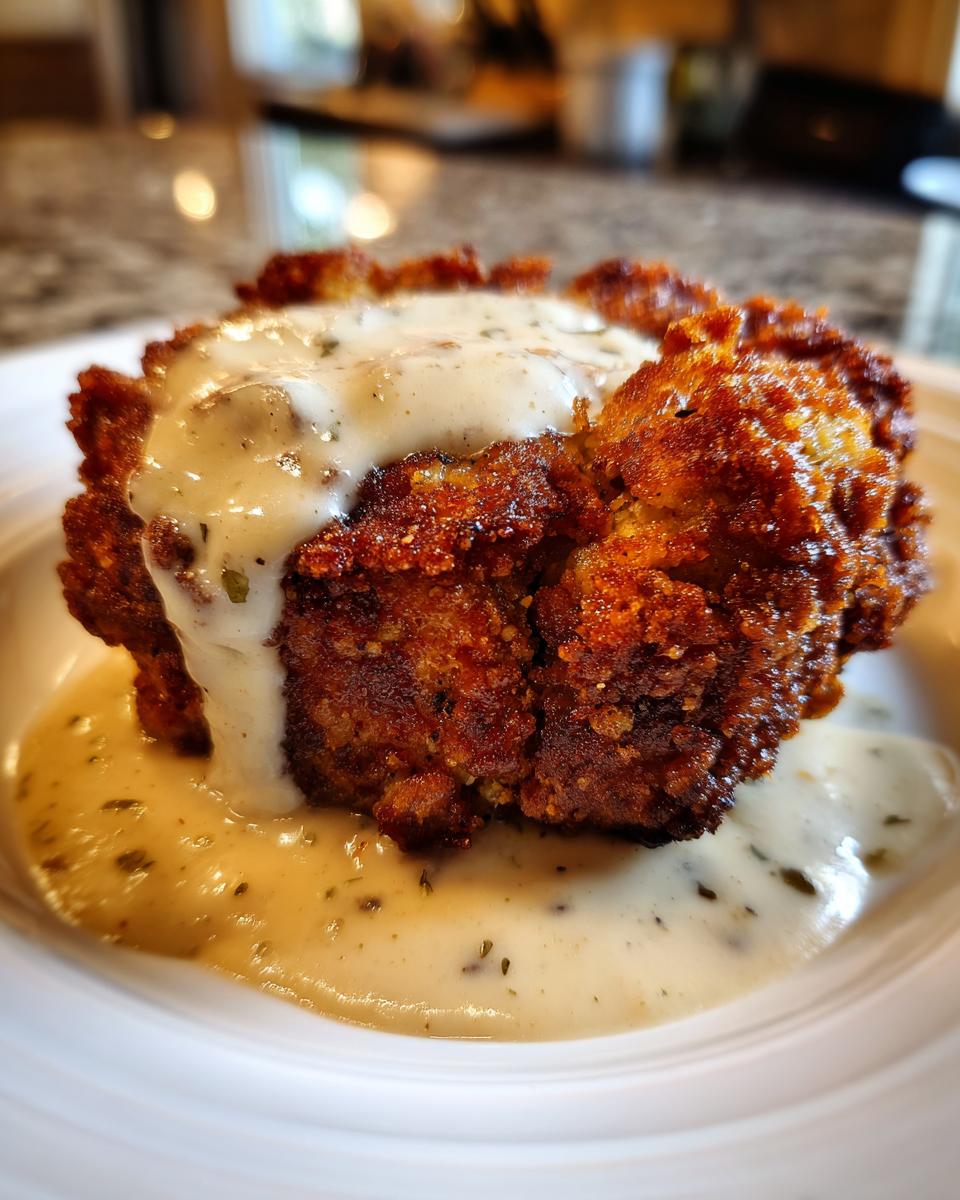
Once all the steaks are out, carefully pour out almost all the oil, but leave about 1/4 cup of those dark, flavorful drippings in the skillet. Return that pan to medium heat. Whisk in your roux flour and cook that for just one minute—that cooks out the raw flour taste. Now, pour your cold milk in slowly, whisking constantly and aggressively to make sure you don’t get any lumps. Keep that whisk moving until it simmers and thickens into a truly velvety gravy for steak. Taste it, throw in the final salt and pepper, and go smother that crispy steak!
Don’t forget to check out this quick tip page for serving suggestions, or save this perfect chicken fried steak recipe for later!
Tips for Success with your chicken fried steak
I’ve learned a few things over the years trying to nail that perfect crunch and avoid a grainy gravy disaster. These tips aren’t just suggestions; they are the small adjustments that take your chicken fried steak from good to utterly legendary. Think of this as the final polish on your Southern comfort food dinner.
First, let’s talk about the coating’s hydration. This is one of my favorite insider secrets. After you finish that second, hard press into the seasoned flour, don’t rush it into the hot oil immediately! Set those fully coated steaks on your wire rack for about 10 minutes before frying. This short rest time lets the moisture from the egg wash start to penetrate the flour coating. It sounds counterintuitive, but it actually helps that crust stick even harder during the frying process, meaning less crust lost to the oil!
Speaking of sticking, remember that draining must happen on a wire rack. Seriously, chuck the paper towels. Draining on paper towels traps steam right underneath your beautiful, crispy crust, turning that hard-earned crunch soggy instantly. The rack lets the air circulate all the way around, like giving your steak a tiny vacation while it cools down.
When you go to make that country gravy, use the drippings—that’s key flavor! But if you are worried about lumps, make sure your milk is *cold*. Pouring cold milk into the hot roux is the secret to avoiding those little flour boulders. If the gravy still isn’t silky smooth, I shared a trick in the recipe instructions about making a slurry, but I always encourage people to try really whisking hard first for that incredible homemade gravy texture we want.
Finally, if you’ve got leftovers and want to recapture that crunch, do not, I repeat, *do not* go reaching for the microwave. That’s instant mush. Reheat leftover pan fried steak with white gravy in a 400 degree F oven or even an air fryer for about 8 to 10 minutes. Keep that crust dry, and it comes right back to life. You can see a great article about making gravy on another site that talks about similar issues.
For all the best ways to use your leftover steak bits, check out my quick garlic bread ideas—sometimes you just need a different kind of comfort!
Ingredient Notes and Substitutions for chicken fried steak
We talk a lot about the *technique* here, but let’s face it—sometimes you open the fridge, and the specific cut of meat you need just isn’t there. Or maybe you’ve run out of vegetable oil. No panic! That’s what having kitchen slang knowledge is for—we adapt! I want you to feel confident making this tender cube steak recipe even if you have to pivot slightly.
If you can’t find cube steak, don’t worry. You can absolutely use a round steak, but you have to play harder with the mallet. Round steak is naturally less tender, so you need to pound it until it’s practically translucent—maybe 1/8 inch thick! Make sure you really work those fibers loose; we want tenderness across the board for this traditional southern cooking classic.
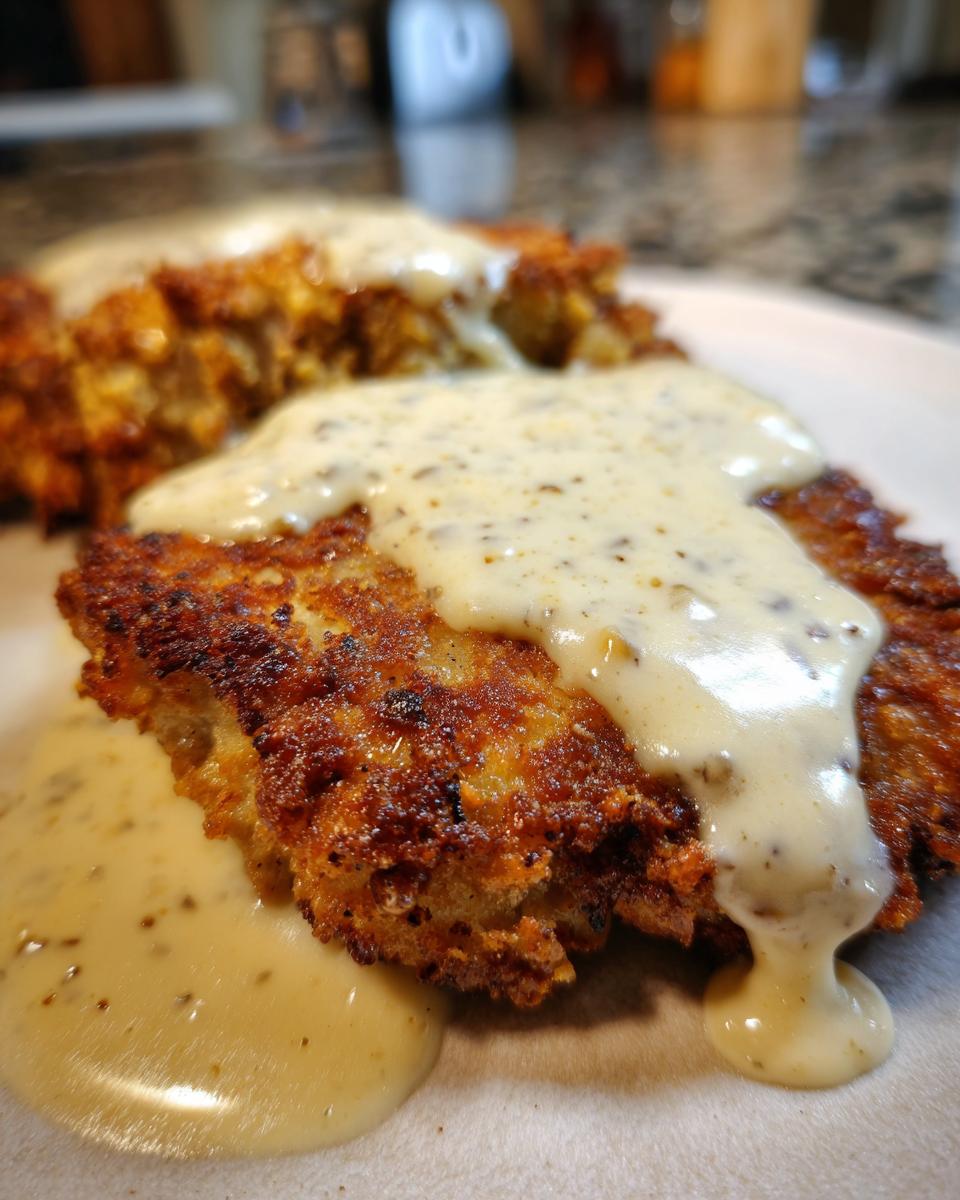
Now, about the oil for frying. I call for vegetable oil because it’s neutral and handles high heat well. If you’re out of that, canola oil is perfectly fine. Crisco shortening works wonders too—it sometimes gives you an even richer flavor foundation. The absolute key isn’t the type of oil, but the temperature. If you aren’t hitting 350°F, the cut of meat just doesn’t matter as much, because the crust will fail.
What if you’re out of whole milk for the gravy? You can use 2% milk, but the gravy might be slightly less rich. Don’t use skim; it just doesn’t have the fat structure needed to thicken properly and it tastes a bit thin, which defeats the purpose of a truly decadent gravy. If you absolutely must, you can use half-and-half cut with water to reach the 3-cup mark, but keep that roux thick! Milk is the standard because it’s just right for that creamy texture.
If you’re looking for other ways to handle proteins, you might want to check out my guide on making maple mustard pork tenderloin; sometimes a pivot is the best move in the kitchen!
Serving Suggestions: The Best Sides for chicken fried steak
Okay, let’s talk about the supporting cast because a star like this chicken fried steak demands the best supporting actors! A dish this rich and comforting needs sides that soak up that extra gravy and balance out the richness. If you’re looking for the absolute best sides for chicken fried steak, you already know the answer, right?
It has to be mashed potatoes. There’s no negotiating this one in my book. You need something fluffy and perfect to catch every last drop of that homemade country gravy. My recipe for garlic parmesan mashed potatoes is a total showstopper, but honestly, even just plain, buttery, super-creamy mashed potatoes are the perfect foundation for a pile of chicken fried steak with mashed potatoes.
If you want to mix in some green, you need something slightly sharp to cut through the fat. Don’t reach for a salad, though; this calls for sturdy vegetables! Steamed green beans finished with a tiny splash of vinegar, or maybe some slightly caramelized oven-roasted Brussels sprouts. Seriously, anything green that has a little bit of bite works wonders.
But if you’re going full Southern comfort, you need something spoonable, like creamy grits or maybe some buttered corn. Whatever you choose, make sure you have plenty of gravy left over *after* drowning the steak, because the sides are just the vehicle to get more gravy into your mouth! If you want to see how someone else tackles a classic, check out this take on a Pioneer Woman style steak—they always serve it hearty!
Storage and Reheating Instructions for Leftover chicken fried steak
So, you managed to have leftovers of this glorious, crispy masterpiece? Good for you, because that means you get to enjoy it all over again! But here’s the thing about fried food: it hates being stored incorrectly. If you just toss it in a plastic container in the fridge, that beautiful, crisp coat we fought so hard to build is going to turn into sad, floppy cardboard. We do not accept soggy crusts here!
The key to storing leftover chicken fried steak is separation and air circulation. You need to store the steak and the gravy totally apart. The gravy freezes beautifully, by the way! Just let it cool completely, pour it into an airtight container, and it’s good for about two months. It’s great for future easy chili recipe nights if you ever need a thickener, but mainly, it’s for round two of steak night!
For the steak itself, once it’s cooled down, stack the pieces on a plate lined with paper towels, but here’s the professional trick: lay another sheet of paper towel *on top* of the steak before you cover the plate with plastic wrap. This wicks away any surface moisture that tries to condense while it chills overnight.
Now, for reheating—this is the most important slang you need to learn for leftovers. Forget the microwave. I mean it! The microwave turns anything crispy into rubber. We are reviving that crunch!
Your best bet? The oven or the air fryer. Preheat your oven to about 375 degrees F. Place the steak directly on a wire rack set on a baking sheet—just like we did when frying! Pop it in for about 10 to 12 minutes. You’re basically giving the crust a gentle re-fry in dry heat. If you use an air fryer? Even better! 375 degrees F for 6 to 8 minutes usually gets it perfect. The gravy just needs a gentle warm-up on the stovetop over low heat, whisking occasionally so it doesn’t scorch.
When it comes out hot, smother that revitalized, crispy steak in your warmed-up, creamy country gravy, and you’ve just served yourself a five-star Southern comfort food dinner all over again. Easy, right?
Frequently Asked Questions about making chicken fried steak
I know you’ve got questions churning, because tackling a classic comfort food like this means you want it perfect. That’s why we’re covering the last few lingering doubts right here. Don’t sweat it if you miss a step; we look at these FAQs as last-minute coaching sessions to ensure your **chicken fried steak** game is strong!
What is the difference between Chicken Fried Steak and Country Fried Steak?
This might be the most confusing part of Southern cooking slang! Honestly, for most home cooks and even in many diners, the terms are used completely interchangeably. It’s the same concept: a tenderized piece of beef, breaded, and pan-fried until crisp, then smothered in white gravy. If there is a difference, some old-school cooks say a true Country Fried Steak has a slightly simpler seasoning blend, and perhaps the gravy needs to be made from scratch in the pan—which is exactly what we did! So, you’ve successfully made both in one go. You’re welcome.
How do I prevent the coating from falling off my chicken fried steak?
This is the absolute killer of confidence in the kitchen! If your coating is falling off, you need to employ two major league skills we talked about earlier. First, you have to be aggressive with the *pressing* during that second dip into the flour. Don’t just sprinkle it on; physically press that seasoned flour down hard so it adheres to the egg wash underneath. Second, let those steaks rest on the wire rack for those crucial 10 minutes after the final dredge. This resting period allows the coating to hydrate just enough to bond with the meat before it hits the hot oil. If you skip those two steps, the crust won’t seal properly!
Can I bake this instead of frying for a healthier option?
You *can* bake the steak, but I have to be honest with you: you won’t get this actual recipe to work properly that way. This recipe, with its 350°F frying temperature and double dredge, is designed to create those pockets of crispness that only happen when submerged in hot fat. If you bake it, it will essentially just become a tough piece of baked, breaded meat—not that amazing, crispy experience we are aiming for. If you are looking for a healthier take, I’d suggest using an air fryer on a high setting after heavily spraying the coating with oil, but for the *best* texture, you have to pan-fry it.
Why is my self-made country gravy lumpy every time?
Lumpy gravy is just chunky sadness! The lumpiness almost always happens because you introduced dry flour directly to hot liquid all at once, or you didn’t whisk fast enough. When making your roux, make sure you cook that flour and drippings mixture for a full minute to cook out the flavor. Then, the most critical step for a **creamy country gravy recipe**: make sure your milk is COLD when you whisk it slowly into that hot roux. Cold liquid + hot roux emulsifies smoothly. If you see a lump starting to form, grab a fine-mesh sieve and push the gravy through it. That’s the chef’s secret for a perfect, smooth finish.
Can I use different cuts of beef besides cube steak?
Absolutely, though cube steak is ideal because it’s sometimes pre-tenderized. If you grab a cut like top round steak, you just need to work harder with the mallet to get it thin. The goal here isn’t tenderness through marbling; it’s tenderness through mechanical force—pounding it thin lets it cook fast, maximizing that crispy-to-meat ratio. Aim for about 1/4 inch thickness, or even thinner if your mallet is strong! This also works great if you’re looking for some simple weeknight dinner ideas using less expensive cuts of meat.
Share Your Southern Comfort Food Dinner Experience
Now you have all the insider knowledge—the double dredge, the temperature control, and the lump-free gravy trick. You’ve officially learned the lingo needed to turn out a **chicken fried steak** that rivals any diner in the South!
I need you to go try this **classic chicken fried steak recipe** immediately. When you do, come right back here and tell me everything! Did that crust hold up? Was your gravy silky smooth? Drop a rating for the recipe below—five stars if it blew your expectations out of the water. Your feedback helps other home cooks feel confident enough to tackle these restaurant secrets.
There is nothing better than sharing a successful, hearty meal, and knowing you nailed that perfect crispiness makes it even sweeter. Don’t let these secrets stay just in your kitchen; let’s share the language of great Southern comfort food dinner!
If you still have some of that amazing gravy left over, maybe you can try using it as a sauce base in a quick easy chili recipe next week! Happy cooking, friends!
PrintUltimate Crispy Chicken Fried Steak with Rich Country Gravy

This recipe translates professional secrets into a simple guide for making a truly crispy chicken fried steak with a tender interior, smothered in a rich, lump-free country gravy. This is classic Southern comfort food made for your kitchen.
- Prep Time: 20 min
- Cook Time: 25 min
- Total Time: 45 min
- Yield: 4 servings 1x
- Category: Dinner
- Method: Pan Frying
- Cuisine: Southern American
- Diet: Low Calorie
Ingredients
- 4 cube steaks (about 1/2 inch thick)
- 1 cup all-purpose flour (for tenderizing)
- 1 teaspoon kosher salt
- 1/2 teaspoon black pepper
- 1/2 teaspoon garlic powder
- 1/2 teaspoon paprika
- 2 large eggs
- 1/4 cup whole milk
- 1 1/2 cups all-purpose flour (for dredging)
- 1 teaspoon kosher salt (for dredging)
- 1/2 teaspoon black pepper (for dredging)
- 1/2 teaspoon cayenne pepper (optional, for extra bite)
- 3 cups vegetable oil or shortening, for frying
- 1/4 cup reserved pan drippings (from frying)
- 1/4 cup all-purpose flour (for gravy roux)
- 3 cups whole milk (for gravy)
- 1/2 teaspoon salt (for gravy)
- 1/4 teaspoon black pepper (for gravy)
Instructions
- Prepare the Steaks: Place cube steaks between two sheets of plastic wrap. Use a meat mallet to pound them to about 1/4 inch thickness. This tenderizes the meat and creates surface area for crispiness.
- First Seasoning: In a shallow dish, mix the 1 cup flour, 1 teaspoon salt, 1/2 teaspoon pepper, garlic powder, and paprika. Dredge each steak thoroughly in this mixture, shaking off excess. Set aside.
- Prepare the Wet Mix: In a second shallow dish, whisk together the eggs and 1/4 cup milk until combined.
- Prepare the Crispy Dredge: In a third shallow dish, mix the 1 1/2 cups flour, 1 teaspoon salt, 1/2 teaspoon pepper, and cayenne (if using). This is your final coating.
- Double Dredge Technique: Dip each steak first into the egg wash, letting excess drip off. Immediately press the steak firmly into the seasoned flour mixture, ensuring the entire surface is coated. Press the flour onto the steak to help it adhere. Repeat this process: dip the floured steak back into the egg wash, then back into the flour mixture, pressing firmly again. This double dredge builds the crust. Place coated steaks on a wire rack.
- Heat the Oil: Pour the vegetable oil into a large, heavy-bottomed skillet (cast iron works best) to a depth of about 1/2 inch. Heat the oil over medium-high heat until it reaches 350 degrees F. Use a thermometer; temperature control is key for crispiness.
- Fry the Steaks: Carefully place one or two steaks into the hot oil, ensuring you do not overcrowd the pan. Fry for 3 to 4 minutes per side until deep golden brown and crispy. Remove steaks and place them on a clean wire rack set over a baking sheet to drain excess oil. Do not drain on paper towels, as this steams the bottom crust.
- Reserve Drippings: Once all steaks are fried, carefully pour the oil out of the skillet, leaving about 1/4 cup of the browned drippings and flour residue in the pan. Discard the remaining oil safely.
- Make the Country Gravy: Return the skillet with the reserved drippings to medium heat. Whisk in the 1/4 cup flour for the roux. Cook, stirring constantly, for 1 minute until the flour mixture is light brown.
- Finish the Gravy: Slowly whisk in the 3 cups of cold milk, ensuring no lumps form. Continue whisking as the gravy comes to a simmer. Cook until the gravy thickens enough to coat the back of a spoon (about 5-7 minutes). Stir in the 1/2 teaspoon salt and 1/4 teaspoon pepper. Keep warm.
- Serve: Serve the crispy chicken fried steak immediately, generously covered with the creamy country gravy. This pairs perfectly with mashed potatoes.
Notes
- For the crispiest crust, let the dredged steaks rest on the wire rack for 10 minutes before frying. This allows the coating to hydrate slightly, preventing it from falling off in the oil.
- If you prefer a thinner gravy, add more milk, a splash at a time, while simmering. If it is too thin, mix 1 teaspoon of flour with 1 tablespoon of cold water (a slurry) and whisk it into the simmering gravy until it thickens.
- Use cube steak or round steak that has been tenderized. The goal is thin meat for quick cooking and maximum crust-to-meat ratio.
Nutrition
- Serving Size: 1 steak with 1/4 cup gravy
- Calories: 650
- Sugar: 5
- Sodium: 780
- Fat: 42
- Saturated Fat: 14
- Unsaturated Fat: 28
- Trans Fat: 0
- Carbohydrates: 25
- Fiber: 1
- Protein: 40
- Cholesterol: 150