


Okay, stop right there. I know you’re looking at that thick, beautiful slab of filet mignon and thinking, “This costs too much money to mess up.” Trust me, I totally get that pressure! But listen, that whole intimidating steakhouse vibe? We’re packing it up and sending it home. My goal here is simple: I’m translating the insider knowledge so you can reliably nail that deep brown crust and have a perfectly rosy, medium-rare center every single time. No guesswork, just great food. That’s the whole point of Kitchen Slang, right?
- Why This Pan-Seared Filet Mignon Method Works
- Ingredients for Your Flavorful Filet Mignon Steaks
- Essential Equipment for Cooking Filet Mignon
- Step-by-Step Instructions for Pan Seared Filet
- Tips for Success When Cooking Filet Medallions
- Serving Suggestions for Your Beef Tenderloin Steak Method
- Storage and Reheating Instructions for Filet Mignon
- Frequently Asked Questions About This Tenderloin Steak Recipe
- Estimated Nutritional Data for This Filet Mignon
- Share Your Steakhouse Steak Success
Why This Pan-Seared Filet Mignon Method Works
I use this two-part technique because filet mignon is so lean, it scares me! It cooks insanely fast, and that beautiful tenderness just turns into shoe leather if you look at it wrong. High heat searing in a screaming hot pan is what builds that deep, dark crust—the real flavor component here. We need that crust to be intense, but if we try to do it all on the stovetop, the inside gets overcooked before the outside is ready.
That’s where the oven comes in. Moving the whole setup to the oven gives us slow, gentle heat to finish the inside perfectly after that initial sear. And you absolutely need a good cast iron skillet for this. Cast iron holds heat like a beast, ensuring those steaks don’t cool down when they first hit the metal. It’s the secret handshake for getting that stellar crust.
Achieving the Perfect Medium Rare Steak at Home
Temperature is everything when we’re dealing with such a splurge-worthy cut. Forget poking and guessing; we’re using a thermometer to nail medium rare steak at home. Remember this golden rule: you must pull the steak out of the oven before it hits your target temperature. I aim for 125°F when I take it out. Why? Because those next 10 minutes resting on the cutting board? That’s called carryover cooking, and it bumps the internal temp up another 5 degrees to that sweet spot of 130°F. This simple trick stops anxiety in its tracks!
Ingredients for Your Flavorful Filet Mignon Steaks
Okay, for this recipe, we’re keeping it simple because the quality of the filet mignon should shine through. You need two steaks, about an inch and a half thick—don’t skimp on thickness, please! We need two tablespoons of unsalted butter for the pan, plus some high-smoke point oil so the butter doesn’t burn instantly when it hits the heat. Don’t forget the aromatics: a couple of thyme sprigs and one single, lightly smashed garlic clove. That’s it for the cooking part!
When you’re shopping for your beef tenderloin steak method cuts, look for thickness over width. You want steaks that look like cute little hockey pucks rather than pancakes! The thicker they are, the easier it is for me to save you from overcooking them.
Herbed Butter Finishing Touch
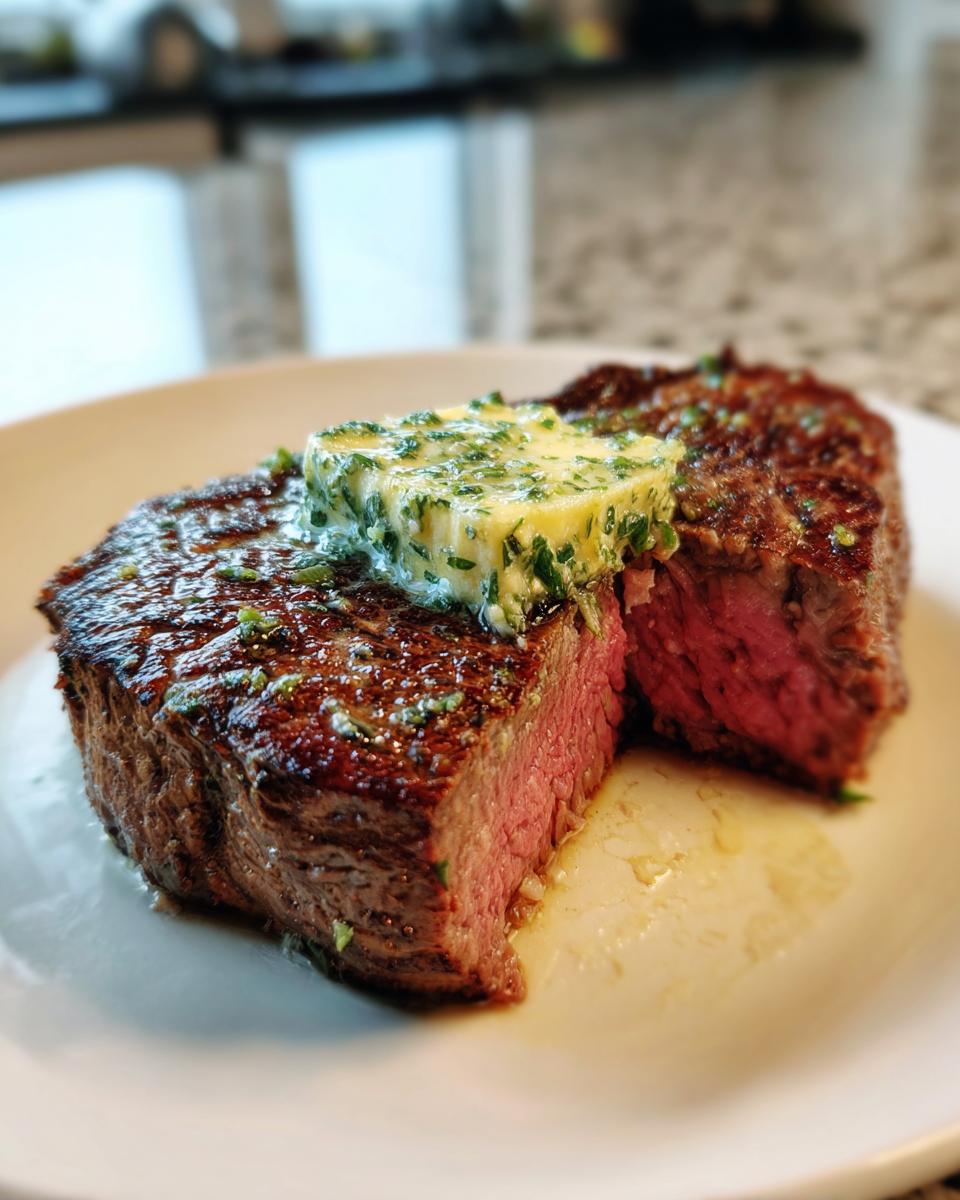
This little step is where we turn dinner into an event. Right before serving, you’re going to mix one tablespoon of butter that’s already soft (like, room temperature soft) with a teaspoon of fresh parsley. That’s it! Seriously. When you put that little pat of herbed butter right on top of the hot steak, it melts down into the meat, adding richness and making it taste exactly like a three-hundred-dollar steakhouse steak off a silver platter.

Essential Equipment for Cooking Filet Mignon
You don’t need a million gadgets for this, but the few things you do need are non-negotiable if you want that perfect finish. If you try to skip these, you’re basically asking for trouble!
First, you absolutely must have an oven-safe skillet. I’m talking cast iron if you have it. Cast iron is the champion here because it transfers heat so efficiently from the stovetop searing right into the oven. If you use a regular non-stick pan, it’ll melt in the oven, and you won’t get that beautiful crust we’re aiming for. So, grab that heavy skillet!
Second, and this is where we save your expensive filet mignon from disaster, you need a reliable instant-read thermometer. Seriously, don’t try to guess by poking it. You should insert it into the thickest part of the steak until you hit that target temperature. This replaces all the guesswork and guarantees you get that beautiful rosy center without turning it dry. It’s the only way to cook these tenderloin cuts with confidence—it’s basically your insurance policy!
Step-by-Step Instructions for Pan Seared Filet
I’m laying out the entire method here, and remember, timing is everything for a perfect pan seared filet. First thing: take those beautiful steaks out of the fridge about 30 minutes before you want to cook. They need to lose that icy chill! Pat them completely dry with paper towels—and I mean *completely* dry. Wet steak steams; dry steak sears. Season them aggressively with kosher salt and pepper on both sides!
Next, get your heavy skillet screaming hot over high heat and add your oil. Wait until that oil just starts to shimmer; you want it ready to go. Gently lay the steaks down—don’t overcrowd the pan, obviously! Sear them undisturbed for 3 to 4 minutes. You should hear how loud that sizzle is; that’s the sound of success!
Flip the steaks. Now, immediately lower the heat slightly and toss in your two tablespoons of butter along with the thyme sprigs and that smashed garlic clove. Tilt the pan toward you and use a big spoon to baste that fragrant, foamy butter right over the top of the steaks constantly for about 60 seconds. This adds incredible depth!

Once you’ve basted, immediately transfer the whole skillet into your oven, which should already be preheated to 400°F. This is where we control the final temperature. Seriously, if you want to see how I whip up quick meals for busy nights, check out some other easy weeknight dinners ideas!
The Crucial Resting Period for Tender Filet Mignon
This is the step everyone skips, and it’s why their expensive filet mignon ends up dry and tough! When your thermometer hits 125°F (that’s medium-rare territory), you pull the pan out of the oven. Don’t even think about cutting into it yet!
Place the steaks on a cutting board and cover them loosely with foil. Now, you wait 10 full minutes. I know it feels like an eternity when you’re hungry, but this rest is vital. Those juices that were all shocked and running to the center during the high heat? They redistribute evenly throughout the meat while it rests. If you cut early, all those delicious juices will just flood your plate instead of staying inside where they make the steak melt in your mouth. Trust me on the 10 minutes!
Tips for Success When Cooking Filet Medallions
Honestly, the pan-seared filet technique is so solid that it works for almost any cut of tenderloin! The biggest thing you need to adjust when you decide to try the cooking filet medallions is time, time, time. Since medallions are much thinner than those thick, beautiful steaks we just cooked, they don’t need nearly as long in that 400°F oven. When you use the same sear time, the outside crust should develop beautifully, but you have to watch that thermometer like a hawk!
For smaller cuts, I usually start checking the temperature after just two minutes in the oven. We’re aiming for that same 125°F pull-out temperature, but it happens much faster. If you skip the thermometer on these thinner pieces, you might accidentally cook them all the way through before you realize it, and that ruins that perfect medium rare steak at home vibe we worked so hard for.
Now, for an optional little powerhouse of flavor—and this is a trick I picked up in the restaurant world, especially when making a pan seared filet—bacon is your best friend! Filet mignon is elegant, but it doesn’t have a ton of external fat like a ribeye does. If you want to boost that flavor and keep things extra moist, just wrap a single strip of bacon snugly around the outside edge of the steak (thicker cuts only, mind you!). You gotta secure it with a little piece of kitchen twine to keep it tight during the sear.
When you sear that bacon-wrapped beauty, the fat renders out early, basting the steak in savory goodness while it crisps up beautifully. You might even skip adding extra butter during the basting step, because the bacon fat does all the work for you! It’s a little more effort to tie them up, but wow, does it deliver an incredible punch of flavor to your tenderloin steak recipe.
Serving Suggestions for Your Beef Tenderloin Steak Method
So, you’ve nailed the sear, the inside is pink perfection, and those little pats of herbed butter are melting slowly over the top of your beautiful beef tenderloin steak method creation. Now what? You can’t just serve this masterpiece sitting sadly on a bare plate! Filet mignon is delicate and buttery, so we want sides that support that elegance, not overpower it. Think classic, think rich, think comfort!
My go-to pairing, hands down, is something creamy to soak up any leftover pan juices or that beautiful melted butter. You absolutely cannot go wrong with proper mashed potatoes. I’m talking creamy, buttery, slightly garlicky potatoes—the kind you just want to dive into. If you need a foolproof, flavor-packed recipe, you have to check out my guide for garlic Parmesan mashed potatoes. They make the entire meal feel utterly decadent.

For greens, keep it simple and slightly bright to cut through the richness of the beef. Oven-roasted asparagus tossed with a little lemon juice and sea salt is perfect. Or, if you’re feeling ambitious, butter-sautéed green beans with shallots work wonders. The key to serving your pan seared filet is balance; rich steak needs something clean and green next to it on the plate. It makes the whole presentation just pop!
Storage and Reheating Instructions for Filet Mignon
I really, really hope you have leftovers, not because I want you to be hungry, but because eating leftover, perfectly cooked filet mignon cold the next day straight out of the fridge is a little secret, decadent joy. But if you *must* reheat it, we have to treat it delicately. Remember, this meat is prized for its texture, and reheating it too aggressively will ruin it instantly!
If you have any leftover steak, you need to get it into the fridge as promptly as possible in a shallow, airtight container. Don’t leave it sitting out when you’re cleaning up after your amazing dinner! You want to save that moisture, so resist the urge to leave those precious leftovers out on the counter while you watch TV.
When you’re ready to enjoy it again, the key word is *gentle*. High heat is the enemy here. Skip the microwave if you can, because it heats unevenly and makes the meat tough. The best way, especially if you have a decent piece of filet mignon left, is to warm it through slowly.
I recommend putting the steak in a small, oven-safe dish and adding just a splash of liquid—a tablespoon of beef broth or even just a tiny pat of butter is enough. Cover that dish tightly with foil to trap every bit of steam. Put it into a very low oven, maybe 250°F, until it’s just warmed through to your liking. This gentle heat mimics the original slow bake and keeps the meat from tightening up. Honestly, it’s the best way to preserve that meltingly tender texture you worked so hard to achieve!
Frequently Asked Questions About This Tenderloin Steak Recipe
Can I cook filet mignon entirely on the stovetop?
You absolutely *can*, but honestly, I don’t recommend it if you’re going for that thick, juicy center. If your filet mignon steaks are thin—like one inch or less—you might get away with it using the basting method we talked about. You’ll sear for about three minutes per side, then reduce the heat to low, keep basting with butter and garlic, and keep flipping until you hit that target temperature. However, for thick cuts, cooking it entirely on the stove means turning the heat down so low to prevent burning that you lose that amazing crust. For confidence in hitting medium rare steak at home, the oven finish is the way to go for me.
What is the best internal temperature for medium rare?
This is the question that dictates success! For that melt-in-your-mouth, rosy center, you need to aim for 130°F finish. But here’s the trick from the pro kitchens: pull the steak off the heat when the thermometer reads 125°F. I watch that thermometer like it’s gold! The steak keeps cooking after you take it out of the heat source—that’s carryover cooking. If you wait until it hits 130°F *in* the oven, it’ll easily creep up to 135°F or 140°F on the cutting board, and then you’ve got medium, not medium-rare. This temperature management is the secret to any good tenderloin steak recipe!
My steak didn’t form a good crust. What went wrong?
There are usually two culprits when you don’t get that beautiful dark brown crust on your pan seared filet. First, the steak wasn’t dry enough. If there’s any moisture on the surface, the pan has to spend time boiling off the water before it can actually start browning the meat. Pat it dry like your life depends on it! Second, your pan or oil wasn’t hot enough. You need high heat and oil that is visibly shimmering before the steak even touches the pan. If you tossed in cheese bread while you were waiting for the steaks, maybe check out how I make easy garlic naan bread—it’s a great base for a quick meal, but the cooking surface needs to be roaring hot for steak!
Can I substitute the butter/oil searing process?
Sure, you can play around, but I highly recommend sticking to high-smoke point oil mixed with butter just for the basting step. The oil helps the pan reach a temp hot enough to sear without the butter burning right away. If you wanted to try an alternate beef tenderloin steak method, you could use clarified butter (ghee) for searing since it has a higher smoke point than regular butter, but you’d miss out on the flavor addition from the whole milk solids you get when you add fresh butter during the basting phase. Butter is key for that final, aromatic layer!
Estimated Nutritional Data for This Filet Mignon
Now, before you get too focused on how incredible this filet mignon tastes, I have to give you the standard disclaimer about numbers. I pulled all this information straight from the recipe foundations, but remember, your exact calorie count is always going to bounce around a little bit depending on what cut of beef you choose and exactly how much of that herbed butter drips off.
When we look at this recipe serving two people, here’s the approximate breakdown for one serving of that gorgeous steak dinner:
- Calories: About 450 calories
- Total Fat: Roughly 30 grams, which breaks down into about 15 grams of saturated fat—that’s what makes it taste so rich!
- Protein: A whopping 42 grams! That’s why this is such a satisfying meal.
- Carbohydrates: Zero! It’s naturally carb-free, which is nice if you’re pairing it with something carb-heavy like potatoes or bread.
- Cholesterol: Around 150 milligrams.
This breakdown confirms what we already know: this is a pure, high-quality protein dish. It isn’t a light meal because of that wonderful fat content, but when you’re splurging on the best tenderloin steak recipe, you want that flavor! Just treat these numbers as a good guide rather than a scientific fact; the real metric here is how happy you are when you sit down to eat it!
Share Your Steakhouse Steak Success
Alright, you’ve done it! You’ve conquered the pricey cut, you’ve nailed that perfect crust, and you are sitting down to what I know is a spectacular, meltingly tender filet mignon. Seriously, I want to hear about it! Don’t let all that hard work just disappear into the dining room without telling me how it went.
This isn’t a place where you just eat and leave; this is *your* kitchen now, and we talk about the food we make! Did you use the bacon wrapping trick? Did your oven finish give you the perfect internal temperature? Hit those ratings down below. Five stars if you’re feeling proud, four if you think I should try a different roasting time next time!
More importantly, snap a picture! We all want to see your gorgeous plate presentation. Tag us or drop your photo in the comments so we can all appreciate that incredible steakhouse steak you made right in your own home. Knowing you pulled this off without the stress is what makes all this translation worthwhile for me. Now go enjoy your amazing meal!
PrintPerfect Pan-Seared Filet Mignon with Herbed Butter

Learn the simple method for cooking thick filet mignon steaks to a perfect medium-rare with a deep, flavorful crust.
- Prep Time: 10 min
- Cook Time: 12 min
- Total Time: 22 min
- Yield: 2 servings 1x
- Category: Dinner
- Method: Pan Searing and Baking
- Cuisine: American
- Diet: Low Fat
Ingredients
- 2 (6-8 oz) filet mignon steaks, about 1.5 inches thick
- 1 tablespoon high-smoke point oil (like canola or grapeseed)
- 2 tablespoons unsalted butter
- 2 sprigs fresh thyme
- 1 clove garlic, smashed
- Kosher salt, to taste
- Freshly ground black pepper, to taste
- 1 tablespoon softened unsalted butter (for finishing)
- 1 teaspoon fresh parsley, chopped (for finishing)
Instructions
- Remove the steaks from the refrigerator 30 minutes before cooking. Pat them completely dry with paper towels. Season both sides generously with salt and pepper.
- Place a heavy, oven-safe skillet (cast iron works best) over high heat. Add the oil. Wait until the oil shimmers slightly.
- Carefully place the steaks in the hot skillet. Sear without moving for 3 to 4 minutes until a deep brown crust forms.
- Flip the steaks. Immediately add the 2 tablespoons of butter, thyme, and smashed garlic to the pan. Tilt the pan slightly and use a spoon to continuously baste the melting butter over the tops of the steaks for about 1 minute.
- Transfer the skillet to a preheated oven at 400°F (200°C). Cook until the internal temperature reaches 125°F for medium-rare (about 4-6 minutes, depending on thickness).
- Remove the steaks from the oven and place them on a cutting board. Tent loosely with foil. Let the steaks rest for 10 minutes. The internal temperature will rise to about 130°F.
- While the steaks rest, mix the 1 tablespoon of softened butter with the chopped parsley.
- Slice the herbed butter into rounds. Place one round on top of each rested steak just before serving.
Notes
- Use a meat thermometer to check doneness; this is the best way to cook a tenderloin steak recipe perfectly.
- For an extra layer of flavor, wrap each steak with one strip of bacon before searing, securing it with kitchen twine.
- If you are cooking smaller filet medallions, reduce the oven time significantly.
Nutrition
- Serving Size: 1 steak
- Calories: 450
- Sugar: 0
- Sodium: 350
- Fat: 30
- Saturated Fat: 15
- Unsaturated Fat: 15
- Trans Fat: 0.5
- Carbohydrates: 0
- Fiber: 0
- Protein: 42
- Cholesterol: 150