


Okay, be honest. Does the idea of making traditional West African dishes feel like you need a secret code just to get started? I get it. So many amazing recipes feel locked behind a door only chefs know how to open. That’s why I started Kitchen Slang—to translate that insider knowledge right onto your countertop. Today, we’re cracking the code on one of the most comforting staples out there: fufu. Forget everything you thought you knew about this dish being hard to master. This Cassava Fufu Recipe for Beginners is my translation of the technique needed to get that signature smooth, perfectly stretchy fufu dough. If you need quick meals later on, check out my post on easy weeknight dinners! Trust me, after working in professional kitchens and seeing what really matters, I guarantee we’ll get you there. Let’s ditch the intimidation and just start cooking!
- What is Fufu? Understanding This Traditional African Staple Food
- Gathering Your Ingredients for Easy Cassava Fufu
- How to Make Fufu: The Step-by-Step Guide to Smooth Fufu Dough
- Tips for Success When Making Homemade Fufu
- Fufu Pairing Ideas: Serving Your Authentic African Cuisine
- Storing and Reheating Your Leftover Fufu
- Frequently Asked Questions About Making Fufu
- Quick Facts: Details on This Easy African Recipes for Beginners
- Share Your Fufu Experience and Rate This Recipe
What is Fufu? Understanding This Traditional African Staple Food
So, what are we actually making here? Fufu is one of those incredible, foundational foods in West and Central Africa. It’s not really a side dish; it’s the vehicle for everything else! Think of it like perfectly tempered mashed potatoes, but made from roots or tubers. The absolute goal you’re aiming for is that smooth, almost elastic, dough-like quality. When you nail that texture, it becomes the star. It needs to be soft enough to easily mold but completely uniform, which is what we call that stretchy fufu technique. Knowing this context helps you understand why we stir and mix the way we do later! If you ever have questions about what we’re cooking, feel free to reach out here.
Cassava Fufu vs. Yam Fufu Recipe Variations
You’ll hear a few different names floating around when people talk about making this African Fufu Recipe. The main components are usually cassava, yam, or plantain. Every variation is delicious, but they each have slightly different textures when cooked down. We’re focusing strictly on Cassava Fufu today because it’s honestly the easiest entry point for beginners. Cassava flour or cooked cassava blends up reliably well. If you want to branch out later to a Yam Fufu Recipe, the mixing technique is the same, but the ingredient itself is a bit denser to start with.
Gathering Your Ingredients for Easy Cassava Fufu
Alright, before we grab our heavy wooden spoons and start wrestling this dough, we have to make sure our lineup is perfect. I’ve seen people get hung up here because they use the wrong starting point, so let’s be super clear about what we need. Remember, this recipe is built on honesty—no fancy, hard-to-find items here, just good, solid ingredients.
For this batch, you’re going to need the main player. You have two options:
- 2 lbs of fresh cassava root. If you go this route, you absolutely must peel it completely until you get to the white flesh, and then cut out that tough, woody core right down the center. Think of it like peeling a giant, tough potato that fights back a little!
- Or, if you want to skip the hard labor of peeling, grab one large bag of dried fufu flour, which is usually just dried cassava flour. This is my weekend hack when I’m already tired.
Next, the liquid. If you use the fresh root, make sure you have plenty of water—about 6 cups—to cover it for boiling. If you’re using the flour, you’ll need hot water, but we add it slowly during the mixing stage, so just have some boiling ready to go.
A tiny pinch of salt is optional, but honestly, it helps round out the flavor. That’s it! See? Super simple foundation. Don’t sweat sourcing those specific roots; the flour works great, and it’s all about mastering that mixing technique next.
How to Make Fufu: The Step-by-Step Guide to Smooth Fufu Dough
Okay, here’s where the real translating happens! Whether you started with the fresh root or the dried flour, the goal now is to transform this chunky mess into that impossibly smooth, pliable ball that food writers rave about. If you used fresh cassava, you just need to drain off all that cooking water—make sure it’s totally drained. Then, toss those soft chunks into a sturdy bowl, add about one cup of hot water, and get ready to work. If you’re using the flour, you bring your measured water to a boil first. Then, and this is key, you sprinkle the fufu flour in slowly while stirring constantly with a heavy wooden spoon. This is actually a great place to read more about my journey and why I focus on these practical kitchen translations.
Don’t dump it all in! It’s going to thicken up fast, turning into a heavy paste. This mixing stage is critical. You need serious muscle here because you are gelatinizing the starches.
Achieving the Perfect Stretchy Fufu Technique
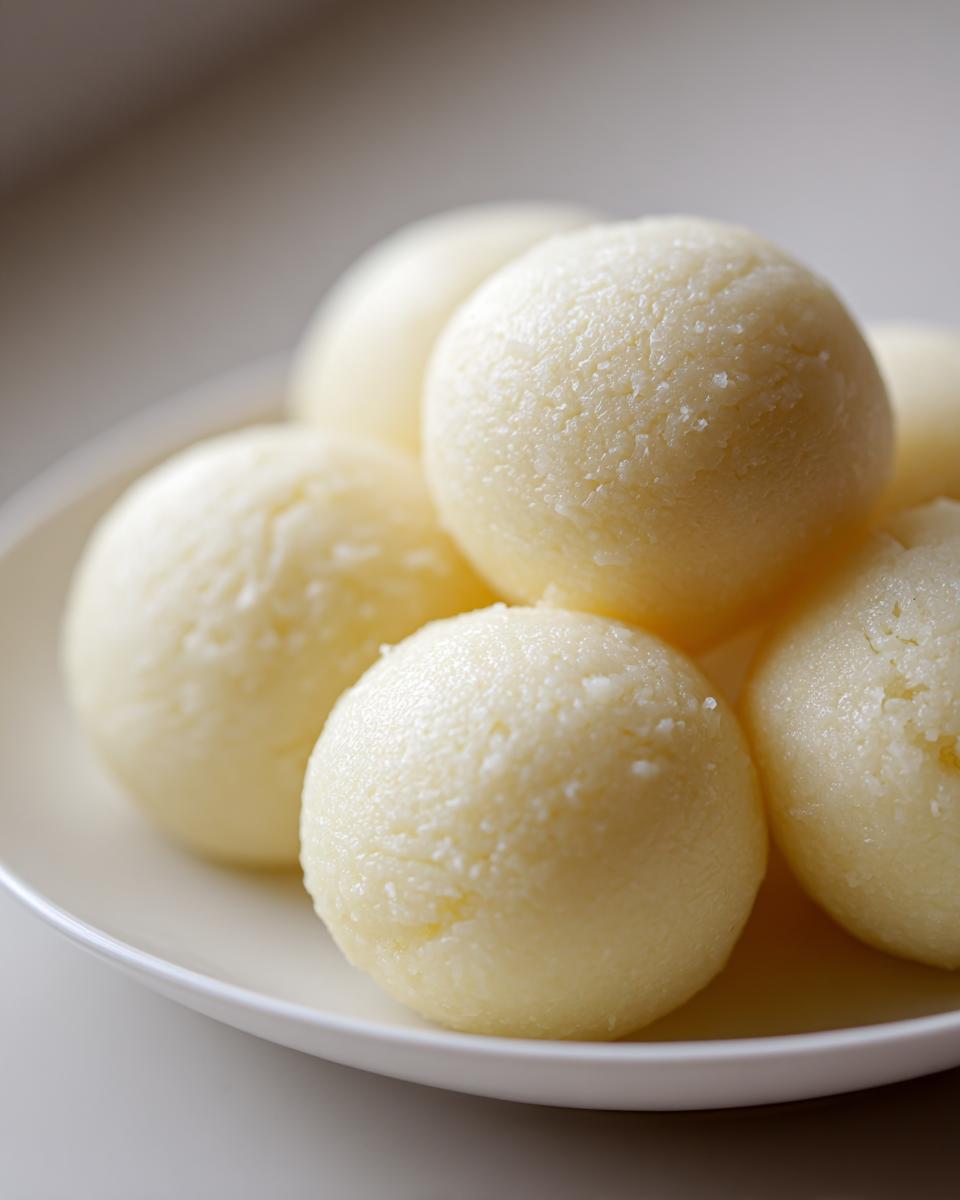
This is the part that separates the great fufu from the lumpy stuff. You have to pound, stir, or knead this mixture *vigorously*. Why? Because that hard work breaks down any remaining tiny lumps and forces the starches to bind together perfectly. That’s what gives you the signature chew and elasticity—that wonderful stretchy fufu technique that lets you roll it into a perfect ball. Keep working it until you can’t see any more little white streaks of unincorporated powder or graininess. It takes serious effort, but I promise, once you get that uniform look, you’ll feel like you just earned a culinary black belt!
Troubleshooting Your Fufu Consistency
Sometimes, no matter how careful we are, the dough fights back. If you find your fufu is rock hard and basically impossible to stir—maybe you added too much flour or boiled your fresh cassava too long—don’t despair! Just grab your hot water and add it one single tablespoon at a time. Stir like crazy after each addition until it loosens up. On the flip side, if your mixture is looking sloppy and too thin, that means you need a little more starch to absorb the moisture. Add a tablespoon of flour, mix it hard to incorporate it, and see if it tightens up. Most of the time, a little bit of water or flour usually fixes everything right up! If your arm is truly killing you from stirring, remember what I always say: sometimes the professional shortcut is the best one; feel free to transfer that heavy dough into a stand mixer with a dough hook if you need an assist!
Tips for Success When Making Homemade Fufu
Now that you’ve wrestled the dough into submission and you’ve got that gorgeous, smooth texture, here are a few little tips—the kitchen slang secrets—that make the difference between good fufu and great fufu. First up: temperature control. When you’re mixing that thick dough, especially if you used the flour method, everything needs to stay as hot as possible. Heat keeps the starches active and makes that final binding smooth. If you let the pot get cool on you, you’re going to have a much harder time working out those lumps. Don’t be afraid to put the pot back on very low heat for thirty seconds while you stir if you feel it lagging.
Safety note here: that wooden spoon is your friend because the mixture gets incredibly hot, especially if you’re using boiling water. Always be mindful of steam when you press down into the dough to test its consistency.
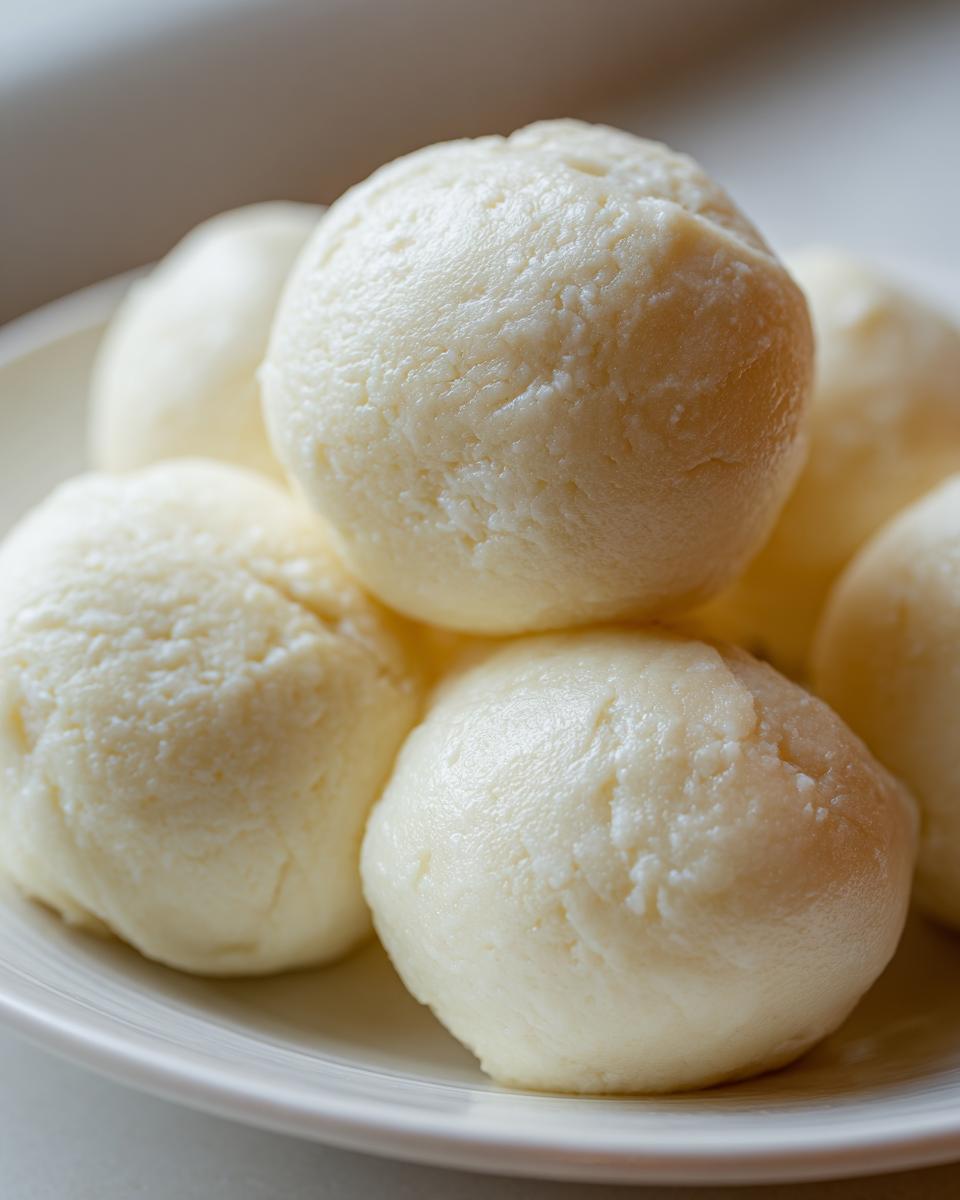
Another thing chefs taught me: timing on the traditional method. If you’re using fresh cassava chunks, make sure they are absolutely falling apart tender before you mash them. I mean probe-tender—if there’s any resistance, you’re going to end up fighting lumps later when you try to work them smooth. It’s better to overcook the root slightly than undercook it.
Finally, if you’re planning ahead, I highly recommend checking out my recipe for easy dumpling sauce—even though it’s not directly related, it uses some similar thickening techniques that might inspire you for your next stew pairing!
Fufu Pairing Ideas: Serving Your Authentic African Cuisine
Okay, you did the work, and you have this beautiful, warm, slightly stretchy ball of fufu ready to go. Now the fun starts! This isn’t a dish you eat alone—it’s the perfect partner for seriously flavorful, saucy dishes. When people search for Fufu Pairing Ideas, they are usually looking for that quintessential West African experience.
You have to pair it with something rich because the fufu itself is mild and meant to carry flavor. Think savory soups and hearty stews. If you want to try something different after this, maybe check out my easy chili recipe, but seriously, stick to tradition first!
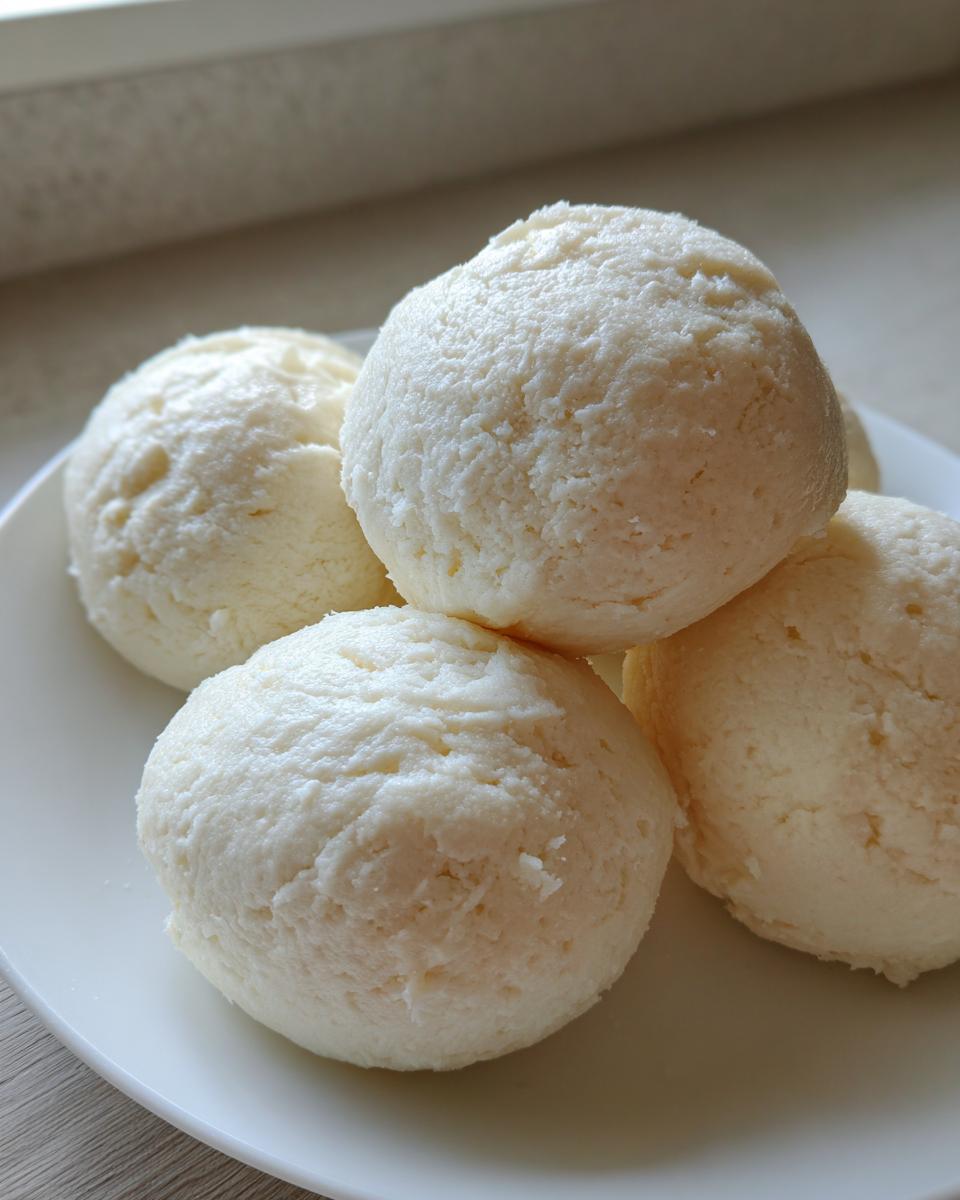
Oh, and I almost forgot the most important part of the whole experience—how you eat it! You tear off a small piece with your fingers, use your thumb to quickly press an indentation right into the middle (creates a perfect little cup!), and then swoop it up into your soup or stew before popping the whole thing in your mouth. It’s messy, it’s communal, and it’s the absolute best way to enjoy it.
For more inspiration on how others are enjoying this staple, I saw some great techniques over at Chef Lola’s Kitchen!
The Best Fufu and Egusi Soup Combination
If you want the classic, can’t-miss combination, you absolutely have to go for fufu and Egusi Soup. Egusi is made from ground melon seeds and it creates this wonderfully savory, thick sauce that clings perfectly to the fufu. It’s heaven! It’s comforting, deeply flavorful, and honestly, it’s the dish everyone is thinking of when they talk about eating Traditional African Staple Food.
But don’t stop there! This smooth dough also works like a charm with thick Okra Soup or any rich, slow-cooked stew you might have in your rotation. Consistency is everything in this pairing!
Storing and Reheating Your Leftover Fufu
Here’s a thing about fufu I learned quickly: it does not like being cold. If you have any leftovers from your amazing batch, you need a plan because this dough will firm up like a rock once it hits fridge temperature. Now, if you need to store it for a day or two, wrap those little balls tightly in plastic wrap first, then tuck them into an airtight container. Keep that container in the fridge. It’s better than leaving it out, trust me.
When you’re ready to eat the leftovers, you cannot just microwave it straight up! It’ll turn crusty on the outside and sad on the inside. The magic here is steam and moisture. You need to put your portion of fufu in a microwave-safe bowl, and here’s the kitchen slang tip: add just a splash—maybe a teaspoon or two—of hot water right next to the dough ball. Cover the bowl tightly with a damp paper towel or a vented lid.
Microwave it in short bursts, maybe 30 seconds at a time, stirring vigorously between each burst. That little bit of trapped steam works wonders to rehydrate the starches and bring back that soft, pliable texture we worked so hard to achieve. It might take a minute or two, but it gets you right back to that satisfying, comforting side dish quality.
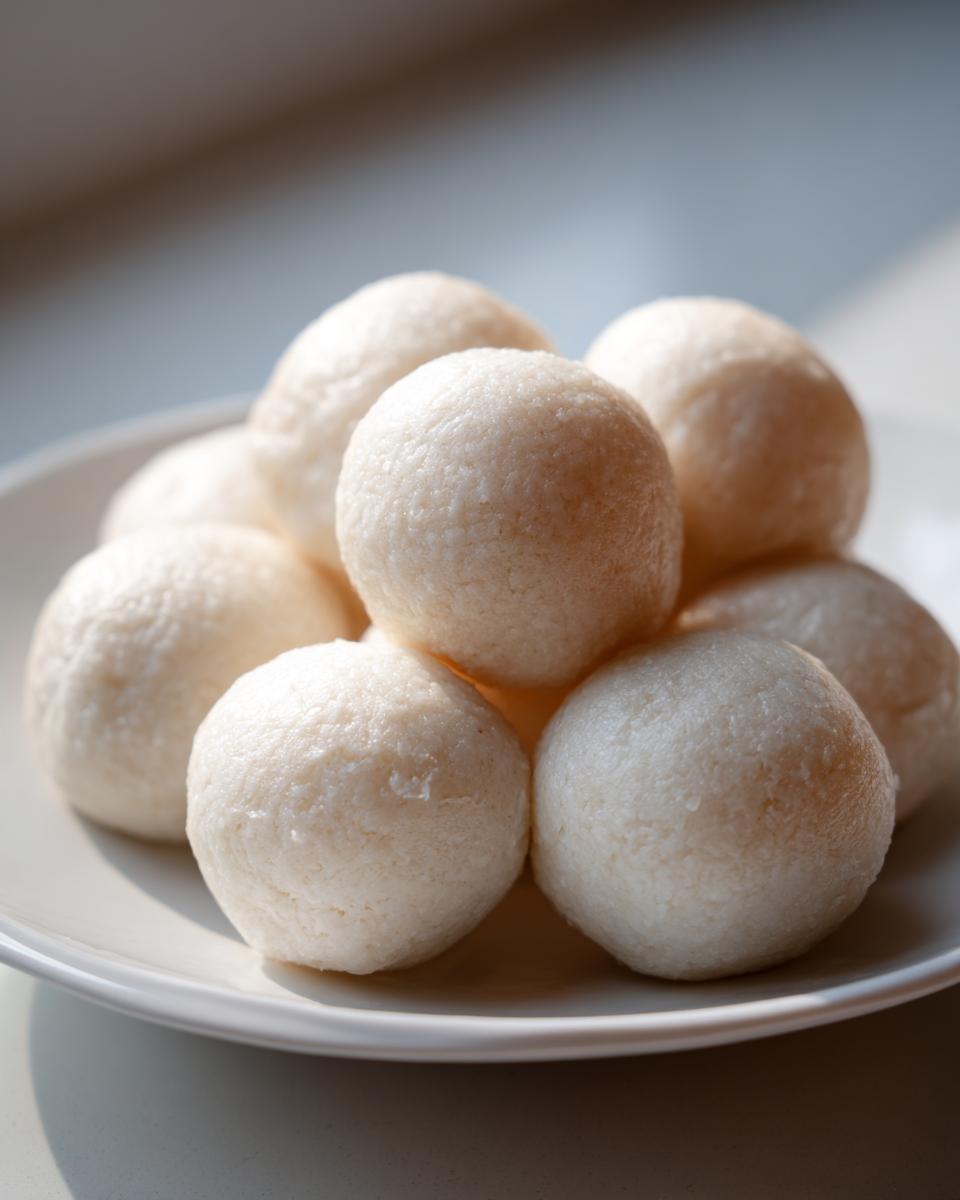
If you happen to have a bunch leftover and are planning for next week, freezing works well too, but reheat the same way—with steam! If you’re looking for inspiration for something different to bake soon, perhaps check out my post on an easy breakfast cookie recipe for when you need faster carbs!
Frequently Asked Questions About Making Fufu
I know you’ve worked hard to get that beautiful, smooth dough, but sometimes questions pop up right at the end! That’s totally normal, especially when you’re learning a new technique. Here are some of the biggest things I hear from people learning how to make these African Fufu Recipes for the first time. No hesitation here—we talk about everything!
Is Cassava Fufu Gluten Free?
Yes! This is one of the best parts about making Cassava Fufu. Cassava, which is what we use in this specific recipe, is a root vegetable, not a grain. That means this is a naturally fantastic, Gluten Free African Side Dish. It’s wonderful for folks dealing with gluten sensitivities who still want that satisfying, starchy comfort food component for their meals. You don’t have to add or substitute anything to keep it gluten-free!
Can I substitute the cassava for a Yam Fufu Recipe?
Absolutely, you can! As I mentioned earlier, yam flour and plantain flour work great too. The process is nearly identical: you boil the yam (or plantain chunks/flour) and then you stir like crazy to get that dough smooth. Just know that yam tends to set up a little bit firmer and quicker than the cassava version. So, if you try a Yam Fufu Recipe next time, be ready to use a little more hot water during that critical final kneading stage to keep it nicely pliable.
If you’re ever worried about your pantry setup or need to read up on our policies, you can always jump over to our Privacy Policy page for complete transparency.
Quick Facts: Details on This Easy African Recipes for Beginners
I know sometimes you just need the facts laid out fast, especially if you’re quick cooking after work or trying to figure out if you have enough time before guests arrive. I put this together so you can see the whole picture of this straightforward African Fufu Recipe in one glance. This is designed to be totally approachable—my favorite kind of recipe!
Here’s the breakdown for this fantastic Gluten Free African Side Dish:
- Prep Time: 15 minutes (Mainly peeling the cassava if you didn’t use flour!)
- Cook Time: 35 minutes (Mostly waiting for the root to get totally soft)
- Total Time: 50 minutes (I told you this was fast!)
- Yield: 4 generous servings
- Category: Side Dish (The best partner for stew!)
- Method: Boiling and Pounding/Stirring (Get those arms ready!)
- Cuisine: West African (Authentic and so comforting)
- Diet: Gluten Free
If you need to get in touch about anything at all after trying this out, please don’t hesitate to reach out on our contact page. Happy cooking!
Share Your Fufu Experience and Rate This Recipe
I’ve shared all my hard-won knowledge on making fantastic, stretchy fufu, but honestly, the recipe doesn’t really live until you make it yourself! I want to know how it went for you guys in your kitchens. Did you manage to get that perfect dough consistency on your first try? Did you use the spoon or give in and use the stand mixer? Don’t be shy!
Please, if you made this Easy Cassava Fufu Recipe for Beginners, take a minute to leave a star rating right here on the site. Ratings really help other cooks who are new to West African Food feel confident enough to try it. I check every single comment and rating that comes through, and it helps me know which translations are landing perfectly for you all.
And if you really nailed that smooth ball and served it up with something amazing—maybe an incredible stew or soup—snap a picture and tag me! Knowing that this staple is showing up on tables outside of my kitchen is seriously the best part of running this whole operation. If you have any final lingering questions after seeing the whole guide, you can always hit the Contact page, but for now, I just hope your fufu was everything you dreamed of!
PrintEasy Cassava Fufu Recipe for Beginners

Learn how to make authentic, soft, and stretchy West African Fufu at home using cassava. This guide translates the technique so you can serve this traditional staple with your favorite soups and stews.
- Prep Time: 15 min
- Cook Time: 35 min
- Total Time: 50 min
- Yield: 4 servings 1x
- Category: Side Dish
- Method: Boiling and Pounding/Stirring
- Cuisine: West African
- Diet: Gluten Free
Ingredients
- 2 lbs cassava (or 1 large bag of dried fufu flour/cassava flour)
- 6 cups water (if using fresh cassava) or as needed (if using flour)
- Pinch of salt (optional)
Instructions
- If using fresh cassava: Peel the cassava root completely, remove the fibrous core, and cut the remaining white flesh into small, manageable chunks.
- Place the cassava chunks in a large pot and cover them with water. Bring the water to a boil and cook until the cassava is very tender, about 20 to 30 minutes. Drain the water completely.
- If using dried fufu flour: Measure the required amount of water into a saucepan and bring it to a boil.
- If using cooked fresh cassava: Place the cooked cassava chunks into a sturdy mixing bowl or the pot you used for boiling. Add about 1 cup of hot water from the boiling process (or fresh hot water).
- If using flour: Gradually sprinkle the fufu flour into the boiling water while stirring constantly with a wooden spoon or heavy spatula. Keep stirring until the mixture starts to thicken significantly.
- Work the mixture vigorously with the spoon or spatula. You need to pound or stir it until all lumps disappear and you achieve a smooth, uniform, dough-like consistency. This is the stretchy fufu technique.
- If the dough is too stiff, add a small amount of hot water (one tablespoon at a time) and continue stirring until it is pliable. If it is too soft, add a small amount of flour and mix thoroughly.
- Shape the fufu into small, smooth balls using your hands or two spoons.
- Serve immediately with West African Egusi Soup, Okra Soup, or your preferred stew.
Notes
- For the smoothest texture, use a food processor or heavy-duty stand mixer after the initial mixing stage if you struggle with the wooden spoon method.
- Fufu is traditionally eaten by tearing off a small piece, making an indentation with your thumb, and scooping up the soup or stew.
- This recipe focuses on Cassava Fufu, a common West African staple food. You can substitute with yam flour or plantain flour using similar liquid ratios.
Nutrition
- Serving Size: 1 ball
- Calories: 250
- Sugar: 1
- Sodium: 5
- Fat: 0.5
- Saturated Fat: 0.1
- Unsaturated Fat: 0.4
- Trans Fat: 0
- Carbohydrates: 58
- Fiber: 3
- Protein: 2
- Cholesterol: 0