

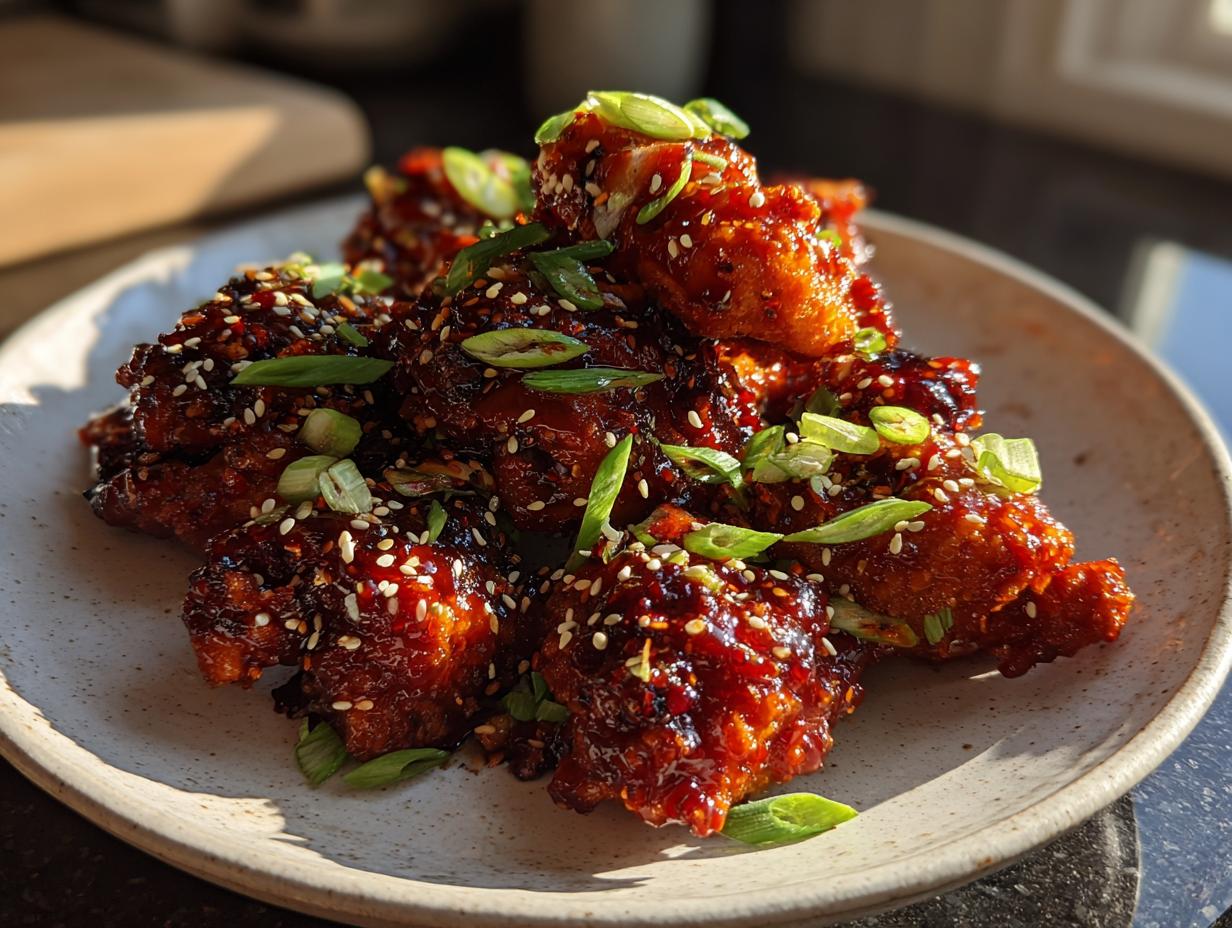
Forget everything you think you know about making fried chicken at home. We aren’t aiming for decent; we’re aiming for legendary. That shatteringly crisp, twice-coated crunch you only find at the best Korean spots? Yeah, we’re cracking that code today. Mastering the double-fried chicken technique for the ultimate korean fried chicken doesn’t require a culinary degree; it just requires understanding the chef’s language. I’m translating that professional hustle into easy steps so you can deliver wings that are impossibly crunchy and juicy. If you love wings, you should definitely check out my guide on the best fried chicken wings recipe while you’re here! Plus, you get two sauces to choose from: the fiery, sticky Gochujang Spicy glaze or the savory hit of Soy Garlic.
- Why This is the Ultimate korean fried chicken recipe
- Gather Your Ingredients for korean fried chicken
- The Secret to Crispy Fried Chicken at Home: Step-by-Step korean fried chicken Instructions
- Ingredient Notes and Substitutions for authentic korean chicken
- Tips for Perfect korean fried chicken Dinner Ideas
- Storage and Reheating Instructions for korean fried chicken
- Serving Suggestions for korean street food chicken
- Addressing Common Questions About korean fried chicken
- Nutritional Estimates for This Dish
Why This is the Ultimate korean fried chicken recipe
Okay, let’s be real. You’ve probably seen a million fried chicken recipes. But I promise you, this one hits different. Why? Because we aren’t messing around with shortcuts that result in soggy disappointment. We are aiming for that pure, restaurant-grade texture that satisfies deep down. Think of this as your instruction manual for kitchen confidence—we explain the why.
Here’s what you’re signing up for when you try this method:
- Shatteringly Crispy Texture: This is thanks entirely to the starch in the batter and that mandatory second fry. It holds up to sauce, friends!
- Authentic Flavor Profiles: You get both the classic spicy-sweet Gochujang and the savory umami of Soy Garlic. No boring single flavor here.
- Mastering the Double-Fried Chicken Technique: I’ve broken down the temperature control that chefs use so you don’t have to guess. It’s less intimidating than it sounds, trust me.
If you’re looking for the perfect dipping sauce to go alongside this masterpiece, you might want to check out my recipe for the easy dumpling sauce—it works beautifully as a side, too!
Gather Your Ingredients for korean fried chicken
Alright, time to raid the pantry! The secret to getting that authentic, street-food texture lies entirely in what you measure out here. Don’t try to eyeball anything—especially the stuff that makes the crust super crunchy. You know I love a good shortcut, but for that perfect crust, we follow the recipe exactly. When you’re done here, maybe you can try making my easy garlic naan bread for soaking up leftover sauce later!
Here’s the breakdown of what you need to pull this off. We’ve got four specific crews assembling for this flavor mission:
The Chicken and the Magic Batter
This is what builds the armor around the meat. Remember, we want light coating, not thick clumps!
- 3 lbs chicken pieces (I usually use wings and drumettes, but thighs work great too!)
- 1 cup all-purpose flour
- 1/2 cup potato starch or cornstarch (Seriously, try the potato starch if you can find it—it’s a game changer for the crunch factor!)
- 1 teaspoon salt
- 1/2 teaspoon black pepper
- 1/2 teaspoon baking powder
- 1 cup cold water (It needs to be cold—don’t skip that detail!)
For the Gochujang Spicy Sauce
This gives you that classic spicy-sweet kick. It gets sticky and gorgeous!
- 1/4 cup Gochujang (Make sure it’s actual Korean chili paste, that stuff is potent!)
- 2 tablespoons soy sauce
- 2 tablespoons honey or corn syrup (I prefer corn syrup for the ultimate sticky sheen)
- 1 tablespoon rice vinegar
- 1 clove garlic (minced—get it nice and small)
- 1 teaspoon sesame oil
For the Savory Soy Garlic Sauce
This one is pure umami perfection, less heat, all flavor.
- 1/4 cup soy sauce
- 3 tablespoons honey or corn syrup
- 2 tablespoons water
- 1 tablespoon rice vinegar
- 2 cloves garlic (minced—yes, more garlic, always!)
- 1/2 teaspoon grated ginger (Fresh is best here, trust me on the fresh!)
Garnish Crew
These are for the final flourish, making it look as good as it tastes.
- Toasted sesame seeds
- Sliced green onions
The Secret to Crispy Fried Chicken at Home: Step-by-Step korean fried chicken Instructions
This is it—the part where we translate the professional hustle into actual, conquerable steps. If you want that phenomenal, double fried chicken technique crunch, you have to follow the process for the two fries religiously. It’s just an extra five minutes of frying time, but it makes ALL the difference between good chicken and korean fried chicken that makes people weep with joy.
Now, before you even think about mixing the batter, listen to Zoe on this one thing: your chicken needs to be aggressively dry. I mean, pat those wings and thighs until you feel like you might tear the skin off. Seriously! Excess moisture is the enemy of crispiness, and we need maximum crunch here. Dry chicken guarantees that light, crackly coating we’re after!
Preparing the Batter and First Fry
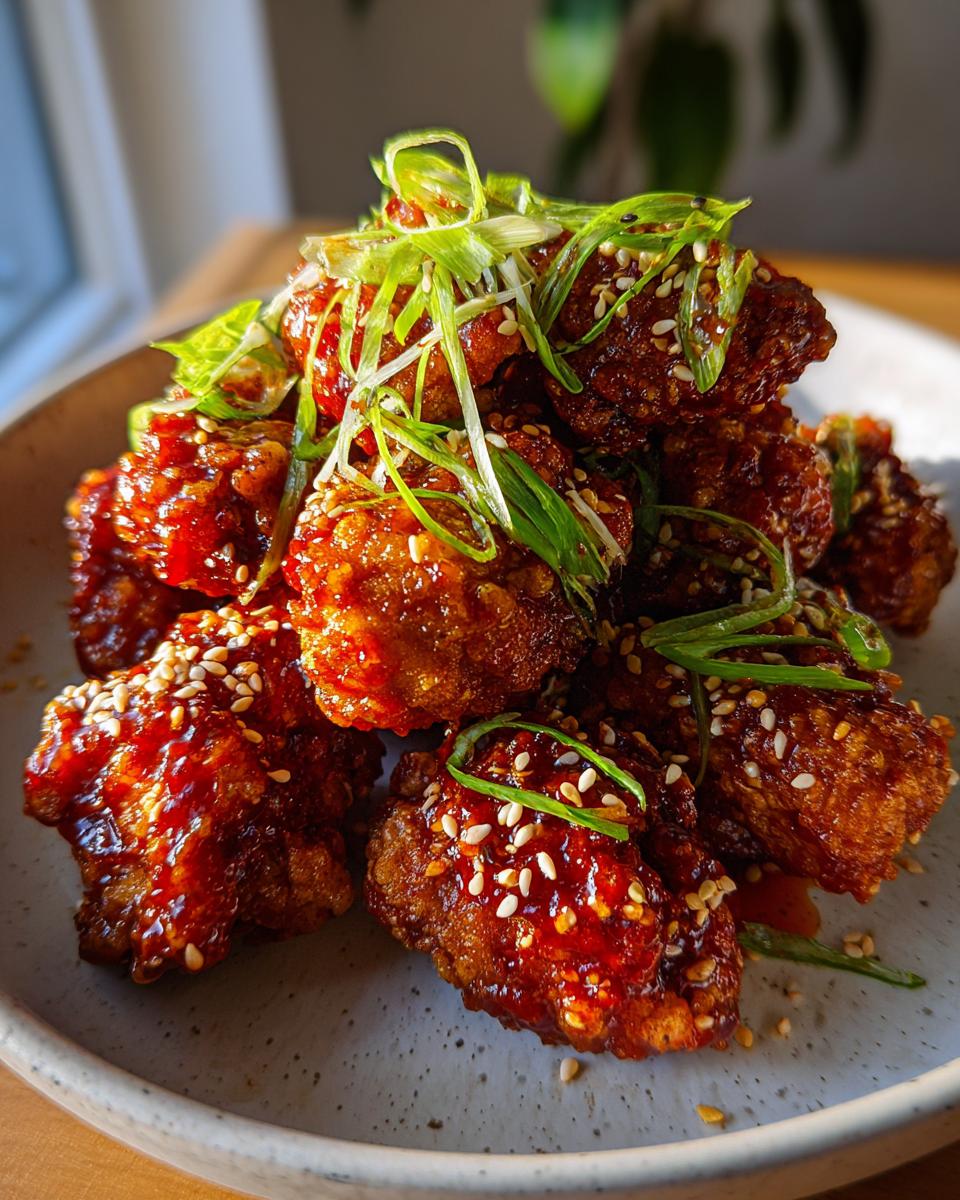
In a big bowl, whisk your flours, starches, salt, pepper, and baking powder. Think whisks, not spatulas—we want a bit of air! Slowly, slowly, drizzle in that cold water while mixing until you get a batter that’s thin. I mean thin—like heavy cream, not pancake mix. If it looks a little lumpy, that’s perfect; resist the urge to blend it out until it’s smooth! That lumpiness creates the texture.
Get your oil heated to 325°F (160°C). It’s important the temperature isn’t too high yet. Gently lower the battered chicken pieces in batches. We’re just cooking this through—don’t crowd the pot! Fry them for about 8 to 10 minutes until they look pale golden. Pull them out and put them on a wire rack. Now here is the non-negotiable rule: they MUST rest for 15 minutes. This rest allows steam to escape and sets the crust, which is what sets you up for that unbelievable final crunch.
Crafting the Gochujang Chicken Glaze and Soy Garlic Sauce
While that lovely chicken is cooling down, let’s get saucy! For both glazes, you’ll use a small saucepan. For the Gochujang option, combine all your ingredients—the potent Gochujang, soy sauce, honey (or syrup), vinegar, garlic, and sesame oil. Heat this gently over medium-low heat. You just need to stir it until it’s smooth and starts looking a little thick—we want it to coat the back of a spoon. This is what gives you that signature spicy sweet korean chicken flavor.
For the Soy Garlic Sauce, it’s similar but often needs to simmer just slightly longer to get that beautiful syrupy consistency. Both sauces need to stay warm so they melt perfectly onto the chicken when the time comes.
The Second Fry for Ultra-Crunchy korean fried chicken
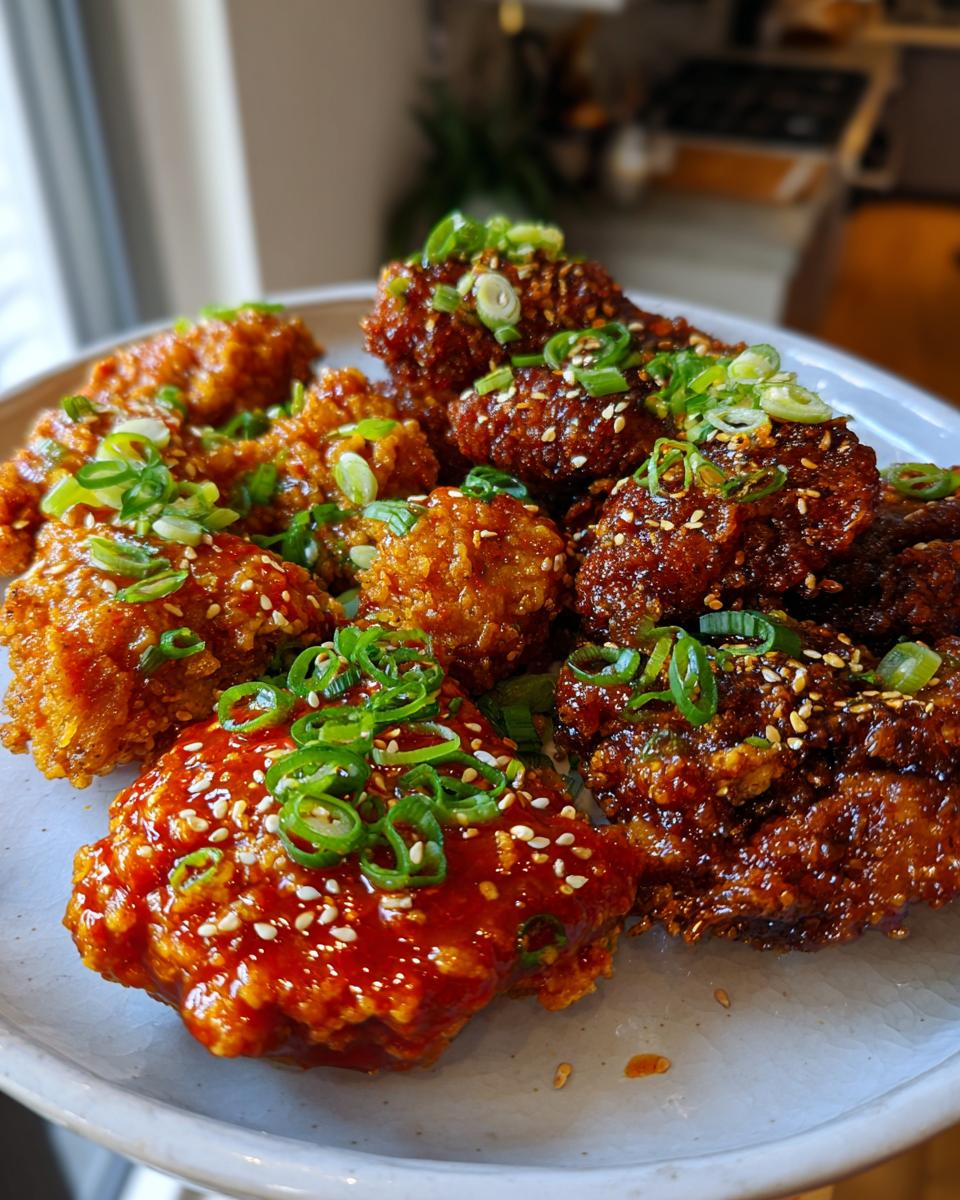
Time for the grand finale! Crank that oil temperature up to a hot 375°F (190°C). This higher heat is what flashes off any remaining moisture and creates that legendary hard shell. Toss your rested chicken back into the oil. You only need 2 to 4 minutes this time around! You are looking for a deep, gorgeous golden brown color. They’ll sound loud when you drop them in; that’s the sound of success.
Once they are deeply colored and super crispy—hello, crunchy chicken wings!—pull them out immediately and drain them again on a *clean* wire rack. Now, if you want to keep them crisp, you have to work fast. Toss them straight into a big bowl with your chosen sauce and use tongs to coat them quickly before serving. If you’re making a huge batch and need a dip suggestion, try checking out my recipe for homemade guacamole recipe for game day—it’s unexpectedly good with spicy wings!
Ingredient Notes and Substitutions for authentic korean chicken
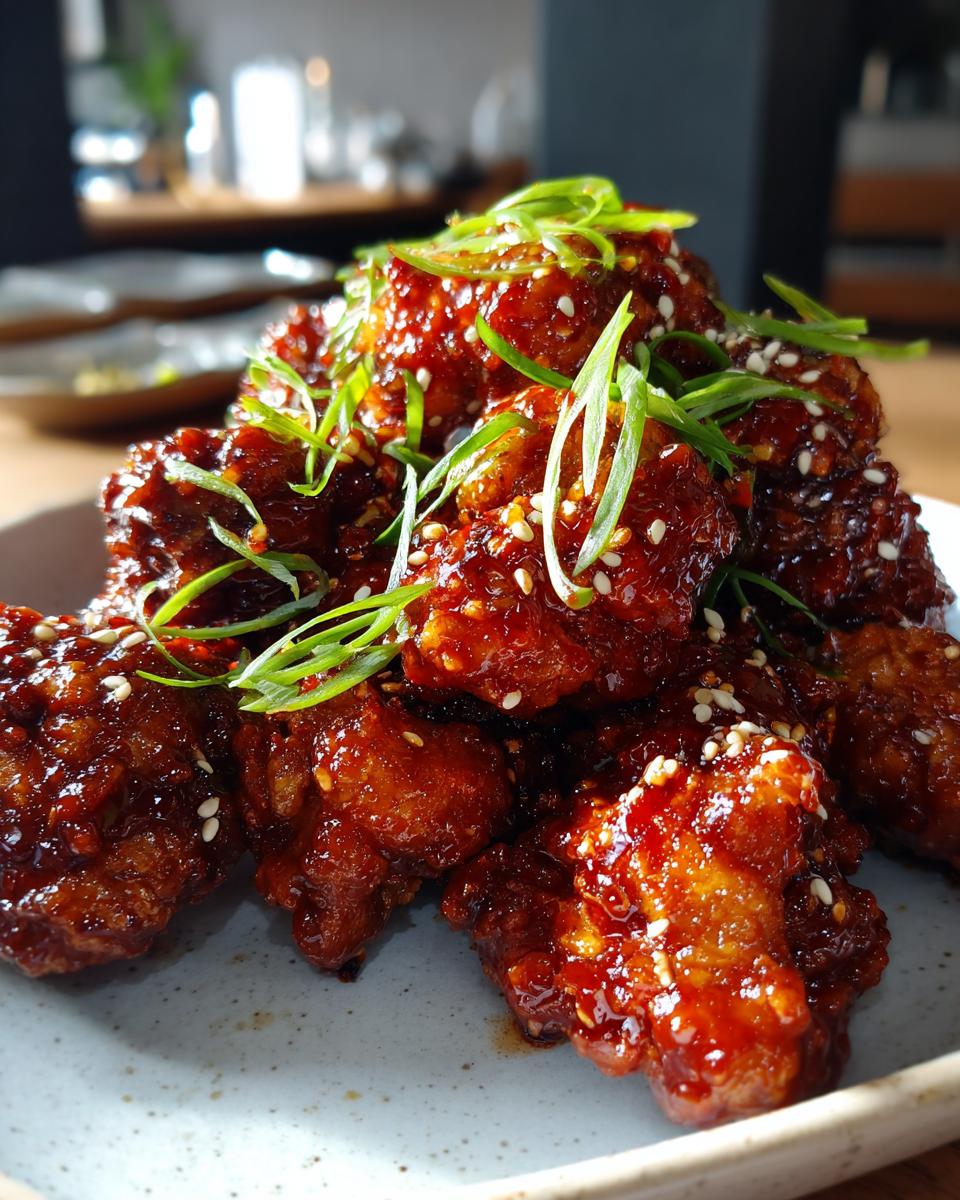
Okay, you’ve got your chicken—now let’s talk shop about these ingredients because they are what separates good fried chicken from the best fried chicken recipe out there. I know standing in the international aisle looking at pastes and starches can be daunting, but this is where the chef’s knowledge comes in handy. We’re translating the jargon so you feel confident choosing what you need.
Let’s start with the coating, because this is paramount for that amazing crispy fried chicken at home feel. You saw I listed potato starch or cornstarch. If you can score potato starch, please do! Traditional authentic korean chicken relies heavily on it because it fries up thinner and stays crisper longer than any flour or cornstarch mix alone. If you absolutely cannot find it or don’t want to buy a specialty item, cornstarch is the next closest thing, but be aware the crunch might soften *slightly* faster.
Now for the sauces—specifically the Gochujang. If you’re staring blankly at the Korean section, look for the bright red paste—that’s your fiery foundation. If you can’t find Gochujang (which happens!), you can try to fake it in a pinch. Mix Sriracha, a little miso paste if you have it, and a pinch of sugar. It won’t be the same deep flavor, but it brings the heat!
And what about the sticky factor in the sauces? I mentioned honey or corn syrup. For the absolute glossiest coating that resists dissolving into soup when it hits the hot chicken, stick to light corn syrup. Honey tastes great, but it has a stronger flavor profile that can sometimes compete with the Gochujang. If you use honey, just know your final flavor will lean a bit more floral.
If you can’t get rice vinegar, regular distilled white vinegar works, but you lose a touch of that clean tang. It’s a small detail, but these small details add up to that perfect result. If you’re putting this on the table and need a creamy side, you might want to check out my famous garlic aioli recipe—it’s shockingly good alongside spicy wings!
Tips for Perfect korean fried chicken Dinner Ideas
Whew! You nailed the double fry. Now, let’s talk about the landing—because failing to handle the chicken right after it comes out of that second, super-hot bath is how you lose that legendary crunch you worked so hard for. Seriously, don’t let sloppy final steps ruin your masterpiece! This is where home cooks always lose the battle.
First up: Oil Management. This might sound super pro, but it’s just about common sense. If you’re deep-frying, you need consistent, stable heat. Keep that oil thermometer handy! If the heat dips too low between batches, that chicken sucks up oil like a sponge, and suddenly, it’s greasy, not crisp. Cook in small batches, let the oil recover its temp, and don’t be afraid to filter that oil after a session. It saves you money and keeps your flavor clean for the next time you want to make korean fried chicken.
Next critical point: THE TOSS. You cannot let the sauced chicken sit around waiting for Uncle Steve to finish his phone call. As soon as the chicken has been second-fried and drained, it needs to hit the bowl with the warm sauce immediately. Tongs are your best friend here. Toss it fast—we’re talking 30 seconds max—to get an even, glistening coat. The goal is to adhere the sauce to the scorching hot crust without letting that liquid penetrate and steam the crispness away.
If you’re looking for easy ways to turn this showstopper into a weeknight win, check out my guide on easy weeknight dinners for some speedy side dishes. Because once that chicken is sauced, you need to get it on the table!
Storage and Reheating Instructions for korean fried chicken
Let’s face it, sometimes you make too much of this glorious stuff, or maybe you just want leftovers for lunch—I get it. But the biggest disaster is reheating soggy chicken, right? So, here’s the insider scoop: try to avoid the fridge if you can. If you must store leftovers, keep them uncovered on a rack until they cool slightly, then put them in an airtight container. Don’t sauce them until you are ready to eat the next day!
When it’s time to reheat that beautiful crust, forget the microwave—that thing destroys crunch. Put the chicken pieces on a wire rack set over a baking sheet and bake at 400°F (200°C) for about 8 to 10 minutes. If you have one, the air fryer is even better for bringing back that crispy fried chicken at home quality!
If you need a comforting side dish that reheats well too, you have to try my hashbrown casserole recipe. It’s the perfect potluck buddy to this kickin’ chicken.
Serving Suggestions for korean street food chicken
Okay, you’ve got your spectacular, crunchy, sauced-up bird. Now, what are you tossing on the table next to it? When you’re aiming for that true korean street food chicken vibe, you need sides that cut through the richness and the spice. These flavors are bold, so the sides need to be bright and refreshing enough to cleanse your palate between bites of that amazing korean fried chicken recipe.
The single most essential companion, hands down, is pickled radish, or mu. Seriously, if you skip this, you’re missing half the experience! That slightly sweet, vinegary crunch is the perfect counterpoint to the deep-fried goodness and the stickiness of the glaze. You can buy small jars of it at any Asian market, and it’s worth every penny. It cools down the fire of the Gochujang sauce immediately.
If you’re serving this as a full korean chicken dinner ideas spread, keep the starch simple. Steamed white rice is perfect; use it to soak up any rogue sauce pooling on your plate. If you want something green, a very lightly dressed slaw—maybe one with just sesame oil and a dash of vinegar—works wonders because it won’t fight the flavor complexity of the chicken. Don’t go for anything heavy!
If you’re feeling ambitious and need a heartier, mashed option (because who doesn’t love potatoes?), you absolutely have to try preparing my roasted garlic mashed potatoes recipe. It’s rich, yes, but the roasted garlic flavor pairs shockingly well when you get a bite of the savory Soy Garlic version!
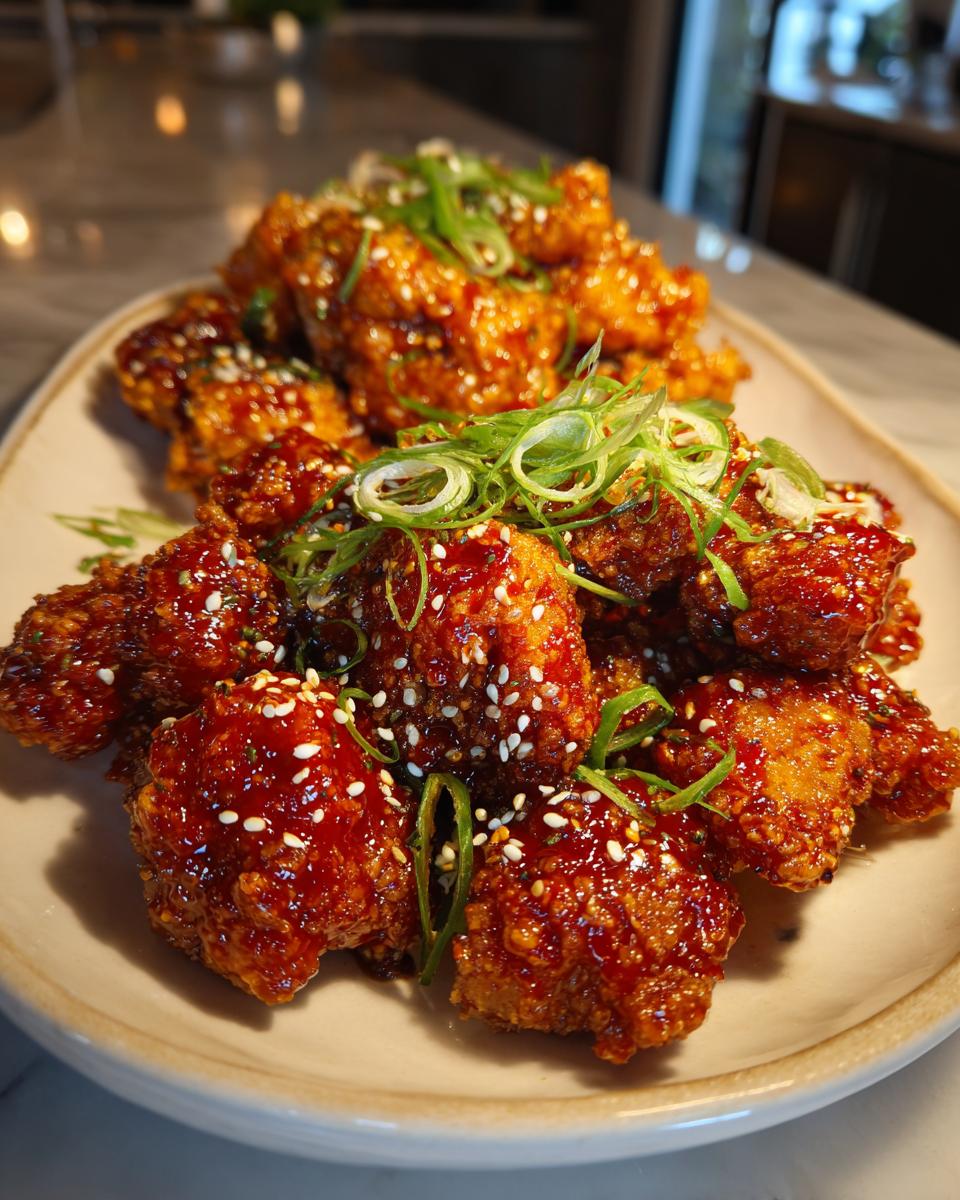
The goal here is balance. Keep things simple, keep things bright, and let that ultra-crispy chicken shine!
Addressing Common Questions About korean fried chicken
I get it. When you see a recipe this dedicated to texture, you have questions. Professional techniques always seem mysterious, but really, they are just about controlling chaos! I’ve gathered the most common things people ask when trying to achieve that perfect, crunchy chicken wings texture at home. We’re going through the hard parts so you don’t have to guess.
If you’re looking for other ways to bring the heat, check out my guide on an easy chili recipe—it’s completely different, but just as satisfying!
Can I use the Air Fryer for korean fried chicken?
Yes, you absolutely can! If you want to try the air fryer korean fried chicken version, it’s much faster to clean up, which I love. You skip the whole deep-frying process. You batter the chicken pieces just like we talked about, maybe spray them lightly with oil so they crisp up nicely, and then you cook them around 380°F (195°C) for about 20 minutes, flipping halfway. It’s honestly great! But here’s the catch: the texture won’t be *identical* to the double-fried version. The air fryer gives you a fantastic, dry crisp, but the double-fry creates that specific, thick, crackly crust that’s iconic for true authentic korean chicken. So, use the air fryer for speed, but know the deep fry is the king of crunch.
How do I keep the korean fried chicken glaze from getting soggy?
This is the moment of truth! You did the first fry, you did the rest, you did the second fry—we are NOT going to let a little sauce defeat us now. The whole trick comes down to timing and temperature. Make sure your chicken comes out of that second, hot fry and goes straight onto a paper towel or wire rack for maybe 30 seconds just to lose any surface oil. Then, they need to immediately hit the bowl with your warm sauce.
You must toss quickly—think fast! Coat them completely in under a minute. The key is that the chicken is still screaming hot from the second fry. That residual heat helps the sauce adhere instantly and warm up, creating that sticky, protective glaze layer without turning the crust into mush. If you let sauced chicken sit for even five minutes, you’re going to start losing that beautiful crunch!
Nutritional Estimates for This Dish
So, let’s talk numbers. I’m not going to lie to you; when you’re dealing with deep-fried, sticky, glorious meat, it isn’t exactly a kale salad. But knowing the breakdown is part of the confidence game, right? This is how we translate that amazing flavor into something we can mentally track. This information is super helpful if you’re planning out your week or maybe pairing this with something lighter, like my high-protein overnight oats for breakfast tomorrow!
These estimates are based on one serving size, which we are calling 4 pieces of chicken, coated in sauce. Remember, these are always estimates, folks! The size of your chicken pieces, how much oil you drained off, and exactly how much glaze you decided to smother them in can change the final count. This is just the baseline for the korean fried chicken recipe as written.
- Serving Size: 4 pieces
- Calories: 550
- Fat: 30g (That includes the frying oil absorption, naturally!)
- Saturated Fat: 7g
- Trans Fat: 0g (We keep things clean where we can!)
- Cholesterol: 110mg
- Carbohydrates: 35g
- Sugar: 18g (That’s where all that sticky, sweet sauce comes from!)
- Sodium: 750mg
- Protein: 38g (We are definitely getting our protein in here!)
- Fiber: 1g
There you have it. Now go enjoy your incredibly crunchy, flavor-packed korean fried chicken!
PrintThe Ultimate Double-Fried Korean Fried Chicken with Two Sauce Options
You can make restaurant-quality, ultra-crispy Korean Fried Chicken at home using the double-fry technique. This recipe gives you two authentic flavor profiles: sticky Gochujang Spicy and savory Soy Garlic.
- Prep Time: 25 min
- Cook Time: 25 min
- Total Time: 65 min
- Yield: 4 servings 1x
- Category: Dinner
- Method: Deep Frying
- Cuisine: Korean
- Diet: Vegetarian
Ingredients
- 3 lbs chicken pieces (wings, drumettes, or thighs)
- 1 cup all-purpose flour
- 1/2 cup potato starch or cornstarch
- 1 teaspoon salt
- 1/2 teaspoon black pepper
- 1/2 teaspoon baking powder
- 1 cup cold water
- Vegetable oil, for deep frying
- For Gochujang Spicy Sauce: 1/4 cup Gochujang (Korean chili paste), 2 tablespoons soy sauce, 2 tablespoons honey or corn syrup, 1 tablespoon rice vinegar, 1 clove garlic (minced), 1 teaspoon sesame oil
- For Soy Garlic Sauce: 1/4 cup soy sauce, 3 tablespoons honey or corn syrup, 2 tablespoons water, 1 tablespoon rice vinegar, 2 cloves garlic (minced), 1/2 teaspoon grated ginger
- Garnish: Toasted sesame seeds, sliced green onions
Instructions
- Prepare the Chicken Batter: In a large bowl, whisk together the flour, potato starch, salt, pepper, and baking powder. Slowly pour in the cold water while whisking until you have a thin, slightly lumpy batter. Do not overmix.
- Coat the Chicken: Pat the chicken pieces very dry with paper towels. Dip each piece into the batter, letting excess drip off, ensuring a light, even coat.
- First Fry (Cooking): Heat about 3 inches of oil in a deep, heavy-bottomed pot or Dutch oven to 325°F (160°C). Carefully place the battered chicken into the hot oil, working in batches to avoid overcrowding. Fry for 8 to 10 minutes until the chicken is cooked through and lightly golden. Remove the chicken and drain on a wire rack set over a baking sheet. Let the chicken rest for at least 15 minutes. This rest period is key for maximum crunch.
- Prepare the Sauces: While the chicken rests, make the sauces. For the Gochujang Spicy Sauce, combine all sauce ingredients in a small saucepan. Heat over medium-low heat, stirring until smooth and slightly thickened, about 3 minutes. For the Soy Garlic Sauce, combine all ingredients in a separate saucepan and simmer until slightly reduced and syrupy, about 5 minutes. Keep both sauces warm.
- Second Fry (Crisping): Increase the oil temperature to 375°F (190°C). Return the rested chicken pieces to the hot oil in batches. Fry for an additional 2 to 4 minutes until the crust is deep golden brown and extremely crispy. This double-fried technique creates the signature crunch. Drain well on a clean wire rack.
- Toss and Serve: Place the hot, crispy chicken in a large bowl. Drizzle generously with your chosen sauce (Gochujang Spicy or Soy Garlic) and toss quickly to coat evenly. Serve immediately, garnished with sesame seeds and green onions.
Notes
- For the best results in achieving that shatteringly crisp texture, use potato starch in your dry mix.
- If you want to make Air Fryer Korean Fried Chicken, skip the oil frying steps. Coat the chicken in batter, spray lightly with oil, and air fry at 380°F (195°C) for 20 minutes, flipping halfway, then toss in sauce.
- Serve this authentic Korean chicken with pickled radish cubes to cut through the richness.
Nutrition
- Serving Size: 4 pieces
- Calories: 550
- Sugar: 18g
- Sodium: 750mg
- Fat: 30g
- Saturated Fat: 7g
- Unsaturated Fat: 23g
- Trans Fat: 0g
- Carbohydrates: 35g
- Fiber: 1g
- Protein: 38g
- Cholesterol: 110mg