


Don’t you just crave that perfect bite of sunshine when the weather starts to warm up? That burst of pure, electric citrus that wakes everything up? I’m Zoe Thompson, and here at Kitchen Slang, we translate those intimidating chef moves into total home-cook confidence. You don’t need a fancy pastry degree to nail this—you just need the right lingo. This lemon cake recipe is our definitive guide to making a scratch-made layer cake that stays unbelievably moist. Forget dry, dull desserts; we’re pulling back the curtain on the bistro techniques that guarantee a bright, refreshing result every single time.
- Why This is the Best Lemon Cake Recipe You Will Make
- Gathering Ingredients for Your Lemon Cake Recipe
- How to Prepare Your Zesty Lemon Cake From Scratch
- Tips for the Perfect Moist Lemon Cake
- Variations on the Classic Lemon Cake Recipe
- Serving Suggestions for Your Refreshing Lemon Dessert
- Storage and Reheating for This Lemon Cake Recipe
- Frequently Asked Questions About the Lemon Cake Recipe
- Next Steps After Mastering This Lemon Cake Recipe
Why This is the Best Lemon Cake Recipe You Will Make
I know there are a million ways to approach a lemon cake recipe out there, but honestly, this one changed the game for me. This isn’t just a cake; it’s the roadmap to a genuinely moist lemon cake that tastes like it walked right out of a high-end bakery. Why? Because we’re using a specific layering technique my old bistro boss swore by. It builds structure while locking in moisture from the jump. If you want the best lemon cake recipe, you have to put in the work upfront, but trust me, the payoff is a cake that stays fresh for days.
I actually used this base method when testing out my very first olive oil version, and the foundational steps remain identical for achieving that perfect texture.
Achieving That Tangy Sweet Cake Perfection
When people chase that elusive tangy sweet cake flavor, they often go overboard with the juice in the batter. Oops! Too much liquid throws off the rise and makes the cake dense and overly sour. The real secret is knowing when to use the juice and when to stop. We use the juice for tenderizing and a final punchiness, but we rely heavily on the zest for that bright, aromatic, zesty flavor that sings without soaking the crumb.
Gathering Ingredients for Your Lemon Cake Recipe
Okay, let’s talk supplies. Since this is a lemon cake from scratch, we need quality components. This isn’t the time to skimp on your citrus; we need intensity that only fresh fruit can deliver. When you look over this list, pay close attention to the state of your dairy and eggs—those details make the difference between an okay cake and the showstopper we’re aiming for. If you’re stocked up on good lemons, why not try making some fresh lemonade to serve alongside this dessert?
Ingredients for the Moist Lemon Cake Layers
For the layers, precision matters, especially here where we are building the crumb structure. Get your ingredients measured before your mixer even hits high speed. Remember, the butter needs to be truly softened—not melted and oily—just pliable enough to leave an indent when pressed slightly.
- 1 3/4 cups all-purpose flour
- 1 3/4 cups granulated sugar
- 1 tablespoon baking powder
- 1/2 teaspoon salt
- 1 cup unsalted butter, softened
- 4 large eggs
- 1 cup whole milk
- 1/4 cup fresh lemon juice
- 1 tablespoon fresh lemon zest
- 1 teaspoon vanilla extract
Components for the Fresh Lemon Glaze Recipe
The glaze is what makes this cake truly refreshing, but you have to get the liquid balance just right. We are aiming for a glaze that is thick enough to sit nicely on the cake without just running straight off the edges, but still thin enough to drizzle beautifully. If it seems too stiff, add juice a teaspoon at a time—we want it pourable, trust me.
- 2 cups powdered sugar
- 4 tablespoons fresh lemon juice (plus extra if needed)
How to Prepare Your Zesty Lemon Cake From Scratch
Now that we have our supplies gathered, we can actually start the fun part—learning how to make lemon cake that tastes unbelievably zesty. Remember, every step here is designed to maximize that crumb structure. Don’t rush this part, because it sets the stage for the entire lemon cake from scratch experience.

Mixing the Batter: The ‘Coarse Sand’ Technique
First things first: go preheat that oven to 350°F (175°C). While it warms up, grease and flour those two 8-inch pans and cut out those parchment circles—safety first for our tender layers! Here’s my favorite bistro trick: combine the flour, sugar, baking powder, and salt first. Then, add your softened butter and beat it on low speed. You are aiming for a texture that looks like coarse, wet sand. This initial step coats the flour particles in butter before any liquid gets involved, which is a major key to keeping the final cake tender and refreshing.
Baking and Cooling the Lemon Layer Cake
Next, you’ll mix your wet stuff—eggs, milk, juice, zest, vanilla—in a separate bowl. Now, add only *half* of that wet mixture to your sandy butter base and mix until just incorporated. Scrape that bowl down! Then, add the rest of the wet mixture and beat it for about a minute until smooth. Warning: Do NOT overmix once you add the second half; we want smooth, not tough! Divide that gorgeous batter evenly and bake for about 30 to 35 minutes. They’re done when a toothpick pops out clean. Let them hang out in the pan for exactly 10 minutes before turning them out onto your wire rack to cool completely. They absolutely must be room temperature before glazing.

Finishing Touches: Making and Applying the Lemon Glaze Recipe
While those layers are chilling out, let’s tackle the fresh lemon glaze recipe. Whisk your powdered sugar and the 4 tablespoons of lemon juice together. If it’s too stiff to drizzle easily, add juice just a teaspoon at a time until you hit that perfect thick-but-pourable stage. Once the cakes are totally cool—and I mean totally cool, or the glaze melts—stack layer one, drizzle about a third of the glaze over it, then top with layer two. Pour the rest over the top and let that tangy ribbon drip down the sides. Seriously, this is where all that work pays off, almost as good as a creamy lemon dinner!
Tips for the Perfect Moist Lemon Cake
Look, making a moist lemon cake isn’t about luck; it’s about stacking little victories using baker’s knowledge. We already nailed the mixing technique, but these final touches turn a great cake into something truly memorable, especially when you need a reliably bright lemon dessert.
Ingredient Spotlight: Why Fresh Zest Matters for this Lemon Cake Recipe
If you take away one thing from all this, make it this: Bottled lemon extract is fine for a quick emergency, but it’s not going to give you that authentic, electric flavor we want here. When you zest a lemon, you’re releasing little pockets of essential oil sitting right on the skin. Those oils are what carry the most intense, clean lemon punch for the entire cake. Don’t even think about substituting that fresh zest—it’s literally the sunshine in the recipe!
Optional Syrup Soak for Maximum Moisture
For those of you who are aiming for true, over-the-top, can’t-stop-eating-it moisture, I have a little secret from my catering days. Right after the layers come out of the oven—while they are still hot—you can brush them with a simple lemon syrup. Boil together equal parts sugar and water until the sugar dissolves totally, and throw in a few thin lemon slices for fragrance. Brush this all over the warm layers before they even start cooling down. It soaks right in, keeps the cake incredibly tender, and locks in that flavor. You can find some great pointers on how to whip up homemade syrups that work for this, should you need a refresher on sugar dissolving!
If you skip the syrup, zero worries, the cake is still fantastic. But if you’re making it for a party and want it to taste amazing three days later, that soak makes all the difference.
Variations on the Classic Lemon Cake Recipe
Even though this lemon layer cake is already top-tier, sometimes you need a different shape or a creamier topping. That’s what makes a good lemon cake recipe so flexible! We want this bright, refreshing lemon dessert to fit whatever party or craving you have going on. It’s all about adapting the core flavor profile to your needs.

Turning This into an Easy Lemon Cake Loaf
If you don’t want to mess with stacking delicate layers, turning this into an easy lemon cake loaf is the answer. Just pour the whole double batch into a greased and floured standard loaf pan. Since the batter is deeper, you’ll need to bake it longer—check around 55 to 65 minutes. Use the toothpick test! You can still drizzle that tangy glaze right over the top of the warm loaf, just like they do with the famous lemon bread. Check out my full notes on making a dedicated lemon loaf cake if you want more details! For a quick look at how others approach it, check out this great lemon loaf cake recipe.
Frosting Swap for a Tangy Sweet Cake
Maybe you aren’t feeling the bright, thin glaze and want something richer for this spring time cake. That’s fine! Swap it out for a true buttercream frosting, which gives you that full, tangy sweet cake finish. Just beat 2 tablespoons of softened butter, 1 cup of powdered sugar, 1 tablespoon of lemon juice, and maybe a tiny splash of milk until it’s fluffy and smooth. This is perfect if you want a thicker texture.
Serving Suggestions for Your Refreshing Lemon Dessert
This cake is pure sunshine, which means it pairs perfectly with things that enhance that brightness! Since this is one of my favorite summer desserts, I often serve slices slightly chilled. It cuts through the richness beautifully if you need a light side component. Try pairing a slice with a scoop of vanilla bean gelato—the contrast in temperatures is divine.
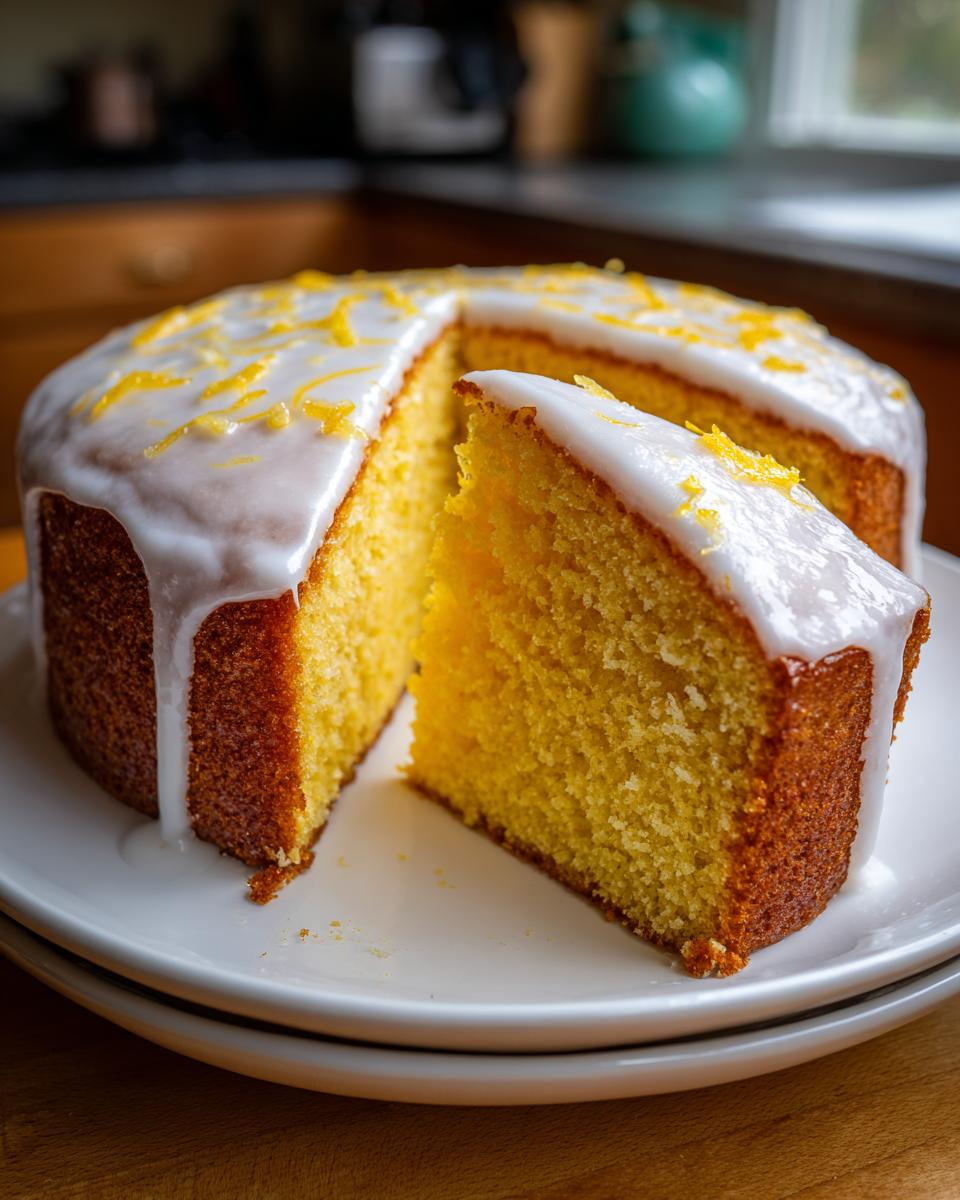
For a true spring time cakes vibe, serve it alongside some fresh berries, maybe some raspberries or blueberries. If you want to keep the theme going, you can always whip up a quick cheesecake fruit salad to put beside it. That way, everyone gets their citrus fix!
Storage and Reheating for This Lemon Cake Recipe
So, you’ve baked the best lemon cake recipe, and now you have leftovers—if you’re lucky! The biggest fear with any moist lemon cake is that it dries out overnight. Since we used that fantastic fresh juice and zest, we need to treat it right. The good news is that the thick glaze acts like a little moisture shield for the top layer.
Here is my advice: Never, ever store this cake in the refrigerator unless your kitchen is incredibly hot, like 80 degrees plus. Cold air really fights against the butter in the cake layers, making them seem dense and stiff. Keep it completely covered at cool room temperature. An airtight cake dome or just a sturdy, well-fitting lid works perfectly.
If you made it a day or two ahead, it should be fine just covered on the counter for up to three days. If, by chance, you do refrigerate it, just let the slices sit on the counter for at least an hour before serving. You need that butter to soften up again so you get that soft, tender crumb we worked so hard for! Reheating isn’t really necessary for this one—it’s meant to be served at room temperature or slightly chilled.
Frequently Asked Questions About the Lemon Cake Recipe
I totally get it. Once you’ve got the main recipe down, your brain starts spinning with all the little “what ifs.” That’s great! It just means you’re thinking like a baker now. Here are some of the questions I get asked most often when people are tackling this lemon cake recipe for the first time. If you look for more deep dives into general baking science, I always recommend cross-referencing with great resources like the one here.
Can I make this easy lemon cake ahead of time?
Yes, but timing is everything, especially with this glaze! The cake layers themselves are absolutely fantastic made a day ahead. Bake them, let them cool completely, wrap them tightly in plastic wrap while still slightly soft, and leave them on the counter. They actually deepen in flavor overnight. The trick is applying that fresh lemon glaze recipe only a few hours before you plan to serve the cake. If you glaze it too early, the sugar in the glaze starts pulling moisture out of the cake, and it loses that beautiful, freshly glazed shine.
Why did my lemon cake sink in the middle?
Ugh, the dreaded dip! This usually points to one of two things, and it’s almost always tied to the baking temperature or mixing. First, did you open the oven door too early? If you check before the 25-minute mark, the sudden change in heat can make the center collapse. Second, and more common, is underbaking. The center might look done, but if it hasn’t fully set, it will sink as it cools. Always do the toothpick test *and* give it that light fingertip press to check for springiness. Don’t skimp on the full 30–35 minutes.
What is the difference between a citrus cake recipe and this lemon cake recipe?
That’s a smart question! A general citrus cake recipe often calls for a mix of oranges, limes, or grapefruits, which gives it a broader, sweeter flavor profile. This specific recipe, however, is all about maximizing *lemon*. We want that sharp, zesty profile to dominate—it’s designed to be intensely bright, hence why we lean so heavily on the zest for that true, piercing lemon flavor. It’s focused, intense, and perfect when you need that signature pucker-up tang.
When you’re done baking, let me know how many people asked for the recipe! You can always share your results in the comments below, or maybe check out my thoughts on a quick savory recipe next week if you need a break from baking!
Next Steps After Mastering This Lemon Cake Recipe
Whew! You just conquered a fantastic, scratch-made cake. Now that you’ve mastered this zesty lemon cake, tell me what you thought! Did the texture surprise you? Drop a comment below with your best tip or whether you stuck to the glaze or tried the frosting swap. If you’re curious about my own journey or want the foundational philosophy behind Kitchen Slang, you can always read more on my About page!
PrintMoist Lemon Layer Cake with Fresh Lemon Glaze

This recipe translates professional techniques into a simple, scratch-made lemon layer cake. You get a tender crumb, bright citrus flavor from fresh zest and juice, and a tangy glaze that makes this cake refreshing.
- Prep Time: 20 min
- Cook Time: 35 min
- Total Time: 55 min
- Yield: 10 servings 1x
- Category: Dessert
- Method: Baking
- Cuisine: American
- Diet: Vegetarian
Ingredients
- 1 3/4 cups all-purpose flour
- 1 3/4 cups granulated sugar
- 1 tablespoon baking powder
- 1/2 teaspoon salt
- 1 cup unsalted butter, softened
- 4 large eggs
- 1 cup whole milk
- 1/4 cup fresh lemon juice
- 1 tablespoon lemon zest
- 1 teaspoon vanilla extract
- For the Glaze: 2 cups powdered sugar
- For the Glaze: 4 tablespoons fresh lemon juice
Instructions
- Prepare your pans: Preheat your oven to 350°F (175°C). Grease and flour two 8-inch round cake pans. Line the bottoms with parchment paper circles.
- Combine dry ingredients: In a large bowl, whisk together the flour, sugar, baking powder, and salt.
- Mix the butter: Add the softened butter to the dry ingredients. Beat with an electric mixer on low speed until the mixture resembles coarse sand. This technique incorporates the fat evenly.
- Add wet ingredients in stages: In a separate bowl, whisk together the eggs, milk, lemon juice, lemon zest, and vanilla extract.
- Combine batters: Gradually add half of the wet mixture to the flour mixture, beating on medium speed until just combined. Scrape down the sides of the bowl.
- Finish mixing: Add the remaining wet mixture and beat on medium speed for about 1 minute until the batter is smooth. Do not overmix.
- Bake the layers: Divide the batter evenly between the prepared pans. Bake for 30 to 35 minutes, or until a toothpick inserted into the center comes out clean.
- Cool the cakes: Let the cakes cool in the pans for 10 minutes. Run a knife around the edges and invert the layers onto a wire rack to cool completely.
- Make the glaze: While the cakes cool, whisk together the powdered sugar and 4 tablespoons of lemon juice until smooth. Add more juice, a teaspoon at a time, if the glaze is too thick. You want a thick but pourable consistency.
- Assemble the cake: Once the layers are completely cool, place one layer on a serving plate. Pour about one-third of the glaze over the top, letting it drip down the sides. Place the second layer on top. Pour the remaining glaze over the top layer, spreading it gently to cover the top and sides. Allow the glaze to set before slicing.
Notes
- For extra moisture, brush the warm cake layers with a simple lemon syrup (equal parts sugar and water, boiled with lemon slices) before glazing.
- Use fresh lemon zest; the bottled kind does not provide the bright flavor you need for this recipe.
- If you prefer a thicker frosting over a glaze, substitute the glaze ingredients with 1 cup powdered sugar, 2 tablespoons softened butter, 1 tablespoon lemon juice, and a splash of milk, beating until fluffy.
Nutrition
- Serving Size: 1 slice
- Calories: 380
- Sugar: 45g
- Sodium: 250mg
- Fat: 18g
- Saturated Fat: 11g
- Unsaturated Fat: 7g
- Trans Fat: 0.5g
- Carbohydrates: 54g
- Fiber: 1g
- Protein: 4g
- Cholesterol: 95mg