

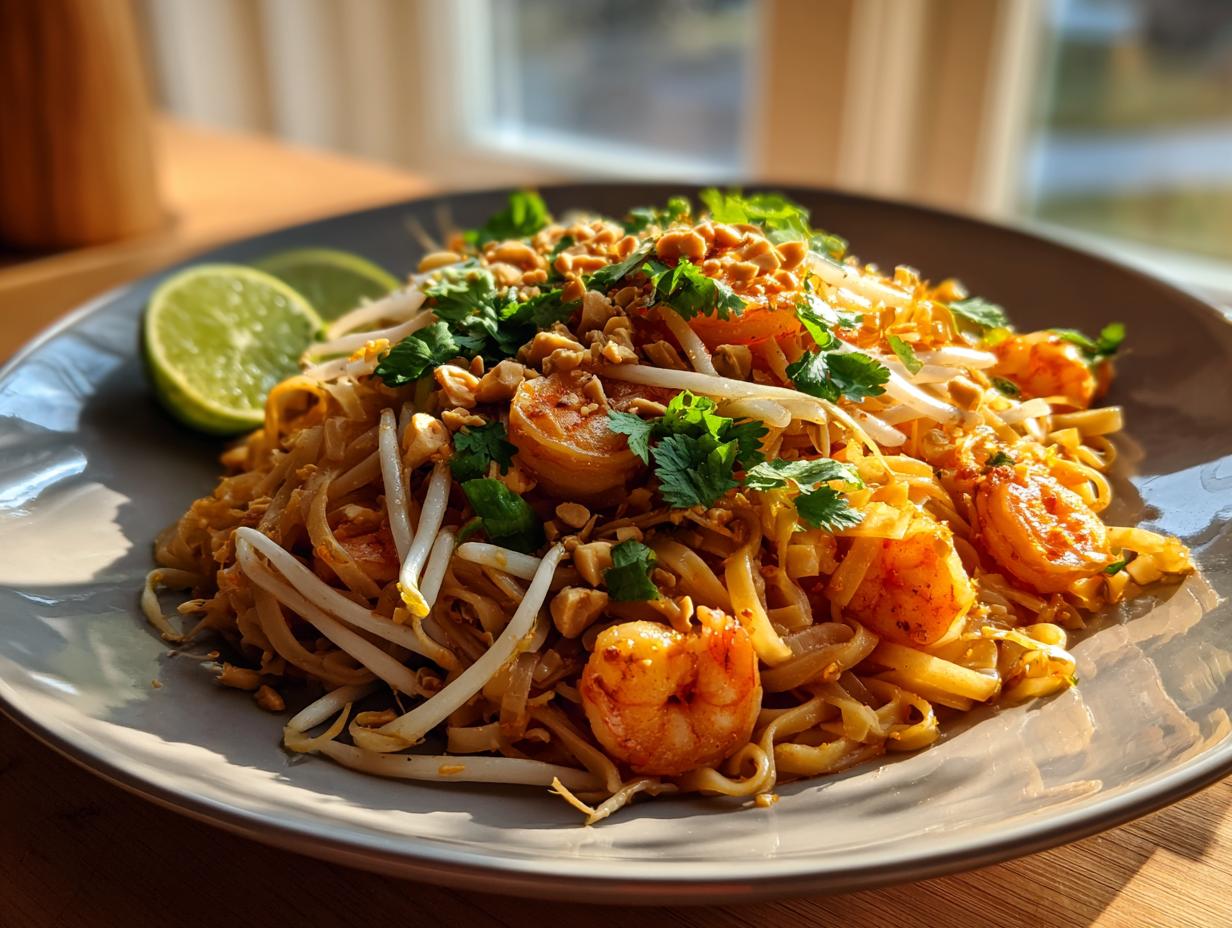
You know that feeling? That craving for something a little… *more*? That moment when only the perfect balance of tangy, sweet, salty, and a little bit funky will do? Yeah, me too. And more often than not, my tastebuds are screaming for Pad Thai. Forget the sad, soggy takeout versions we sometimes end up with – we’re talking the *real deal* here. I’ve spent countless hours in my kitchen, dodging splatters and tasting sauces, all to bring you a homemade Pad Thai that’ll make you swear you just picked it up from your favorite Thai joint. Trust me, it’s honestly better than takeout and ready in about 30 minutes!
- Why You'll Love This Authentic Pad Thai Recipe
- Gather Your Ingredients for Pad Thai
- Mastering the Tamarind Pad Thai Sauce
- Step-by-Step Guide to Your Thai Noodle Stir-Fry
- Tips for Homemade Takeout Noodles Success
- Ingredient Notes and Substitutions for Pad Thai
- Frequently Asked Questions About Pad Thai
- Estimated Nutritional Information for Pad Thai
- Share Your Pad Thai Creation!
Why You’ll Love This Authentic Pad Thai Recipe
Seriously, ditch the delivery apps for this one! You’re gonna love this recipe because:
- It’s lightning fast – think restaurant-worthy Pad Thai in just about 30 minutes.
- That perfect flavor combo: sweet, sour, salty, and a little spicy is spot-on.
- It’s surprisingly easy, even if you’ve never made noodles from scratch before.
- You get that amazing, glossy, takeout-style noodle magic right on your own stove!
Gather Your Ingredients for Pad Thai
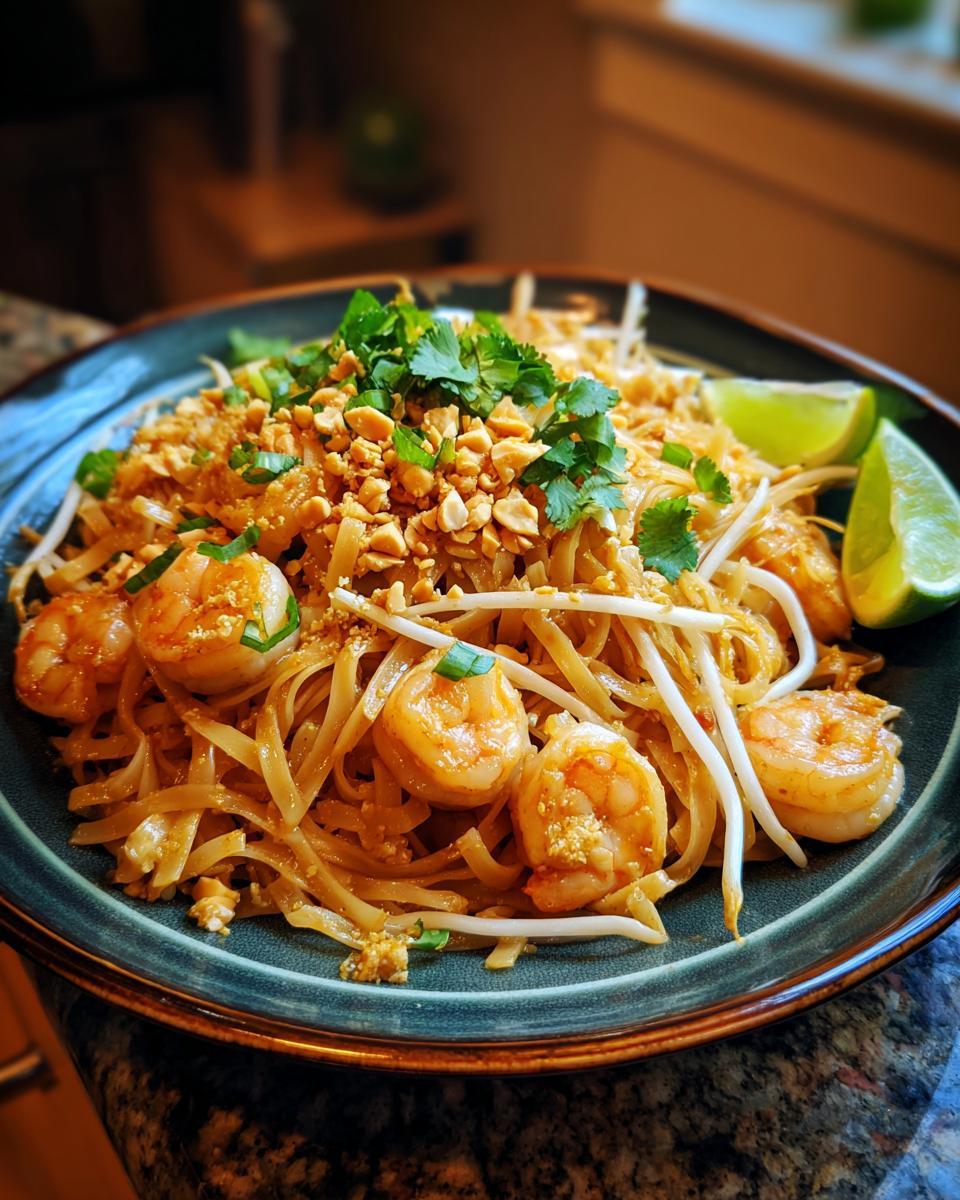
Alright, time to gather our game-changers for this Pad Thai! This is where the magic starts, so don’t skimp on these guys. You’ll need about 8 ounces of those flat rice noodles – the kind that soak up flavor like a sponge. For the stir-fry part, grab about 8 ounces of your favorite protein: shrimp, chicken, or some firm tofu, all cut into nice, bite-sized pieces. We’ll also need a couple of cloves of minced garlic and one shallot, thinly sliced. Two large eggs, whisked up, and a heaping cup of fresh bean sprouts are essential for that crunch. Oh, and don’t forget about 1/4 cup of chopped roasted peanuts for topping, plus a lime cut into wedges for that fresh squirt of amazingness!
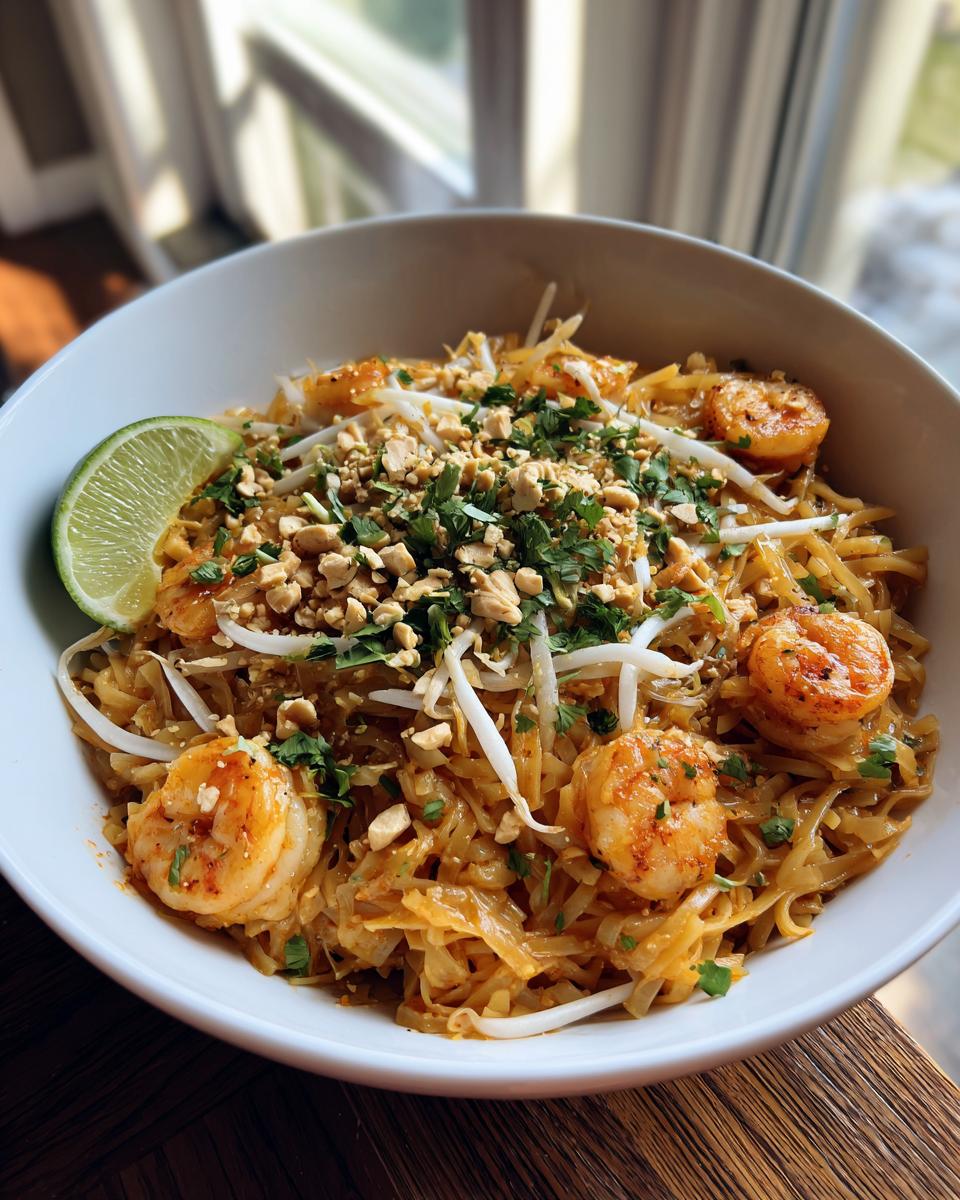
Now, for the heart and soul – the sauce!
For the Sauce:
- 3 tablespoons fish sauce (this is key for that savory funk!)
- 3 tablespoons tamarind paste (hello, tangy goodness!)
- 2 tablespoons brown sugar (just enough sweetness to balance things out)
- 1 tablespoon rice vinegar (for a little extra zing)
- 1 teaspoon sriracha or your favorite chili sauce (if you like a little heat, totally optional but recommended!)
Mastering the Tamarind Pad Thai Sauce
Okay, listen up, because this sauce is where the *real* Pad Thai magic happens. It’s all about that perfect dance between sweet, sour, and salty. That fish sauce? It’s not as scary as it sounds, trust me, it gives us that essential savory depth. Then comes the star, the tamarind paste, bringing that signature tangy punch. If you can’t find it, no worries! Just mix up 3 tablespoons of lime juice with a teaspoon of sugar, and you’re golden. The brown sugar smooths everything out and adds just a hint of sweetness, while a splash of rice vinegar brightens it all up. And for my friends who like a little flicker of heat? A teaspoon of sriracha or your favorite chili sauce adds that perfect little kick. Whisk it all together really well, and you’ve got yourself the secret to authentic Pad Thai flavor right here!
Step-by-Step Guide to Your Thai Noodle Stir-Fry
Alright, let’s get cooking! This part is all about bringing all those amazing flavors together. It might seem like a lot, but we’ll tackle it step-by-step. Just follow along, and you’ll have fantastic Pad Thai on your plate in no time. The key is to have everything prepped and ready *before* you start heating up the pan! Maybe even whip up some easy garlic naan bread to go alongside it if you’re feeling extra ambitious.
Preparing the Noodles: The Key to Perfect Pad Thai
First things first, those rice noodles! You want to soak them in hot water – check the package, but usually, it’s just a few minutes. The goal is for them to be bendy and pliable, but NOT mushy. Seriously, this is super important for great Pad Thai because they’ll keep cooking in the pan. Drain them super well afterward. Trust me, nobody wants a noodle brick!
Cooking Your Protein and Aromatics
Grab your biggest skillet or a wok if you have one. Add about a tablespoon of that oil and crank up the heat to medium-high. Throw in your protein – shrimp, chicken, or tofu – and let it cook until it’s just done. Don’t overcook it! Once it’s ready, scoop it out and set it aside. Now, add another splash of oil to that same pan. Toss in your minced garlic and sliced shallots and stir-fry them for just about 30 seconds until they smell amazing. Gotta work fast here!
The Art of Combining Ingredients for Pad Thai
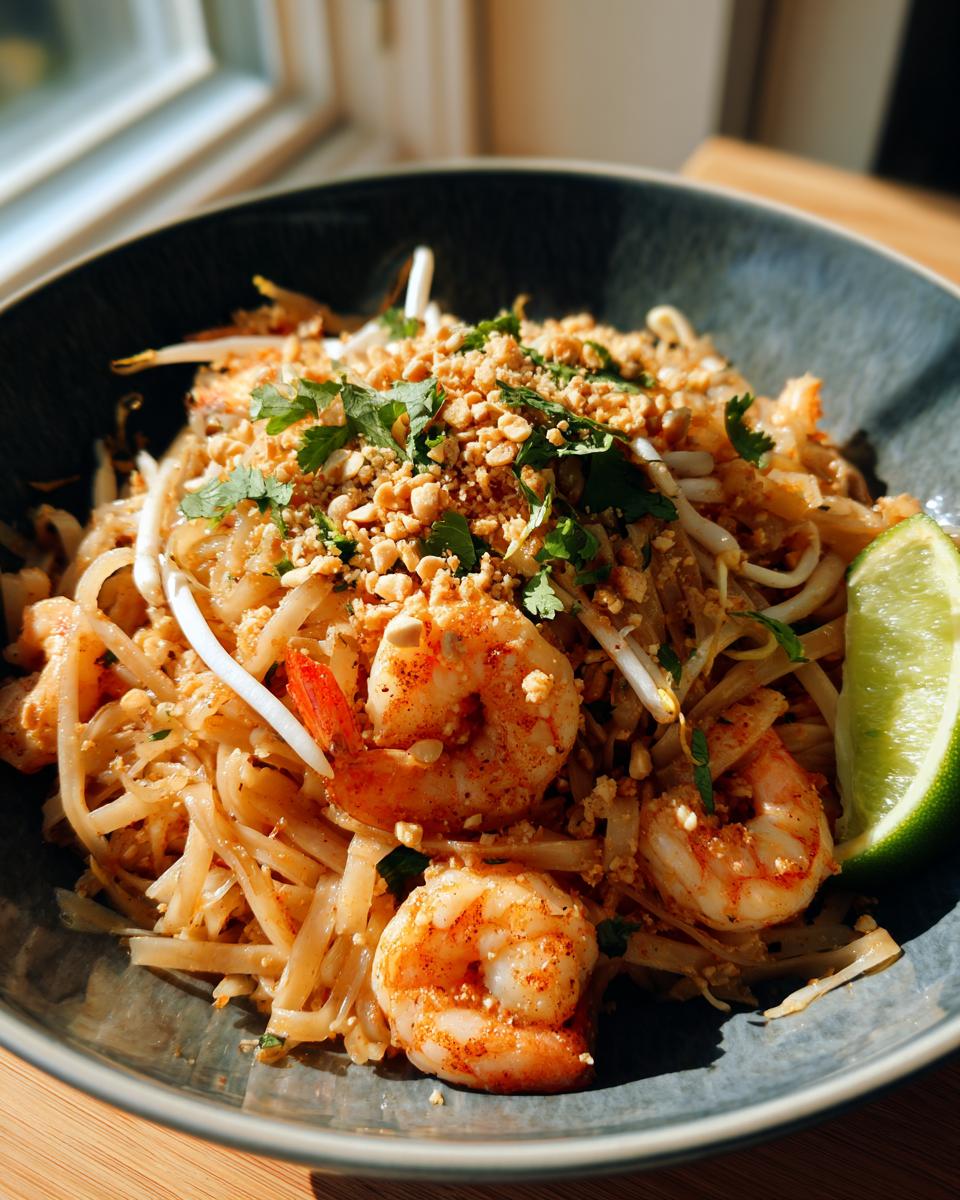
Okay, here’s where it all comes together! Push those garlic and shallots to one side of the pan. Pour your beaten eggs into the empty spot and scramble them up quick. Once they’re almost set, toss in your drained noodles and that glorious sauce we made earlier. Give it all a good toss to coat every single strand. Now, add your cooked protein back in, along with half of those crunchy bean sprouts. Keep tossing it all together for another minute or two until everything is heated through and those noodles look beautifully glossy. That’s the Pad Thai magic right there!
Tips for Homemade Takeout Noodles Success
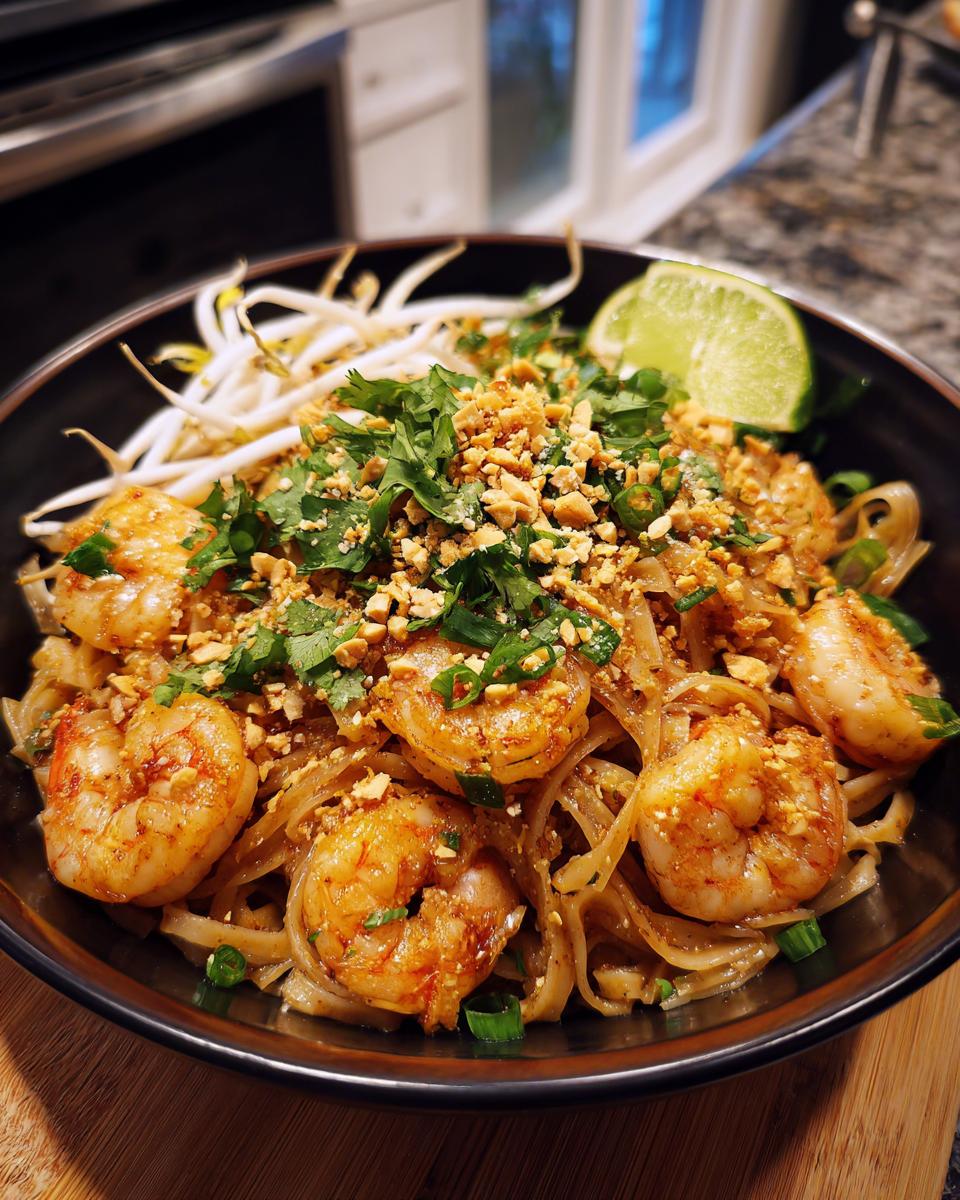
Making Pad Thai at home can feel a little intimidating, but trust me, it’s all about a few key things. First off, that heat! A screaming hot wok or skillet is your best friend here. It cooks everything super fast and gives you those slightly charred bits that are just *chef’s kiss*. If you don’t have a wok, don’t sweat it – a good, heavy-bottomed skillet works wonders. Just make sure it’s seriously hot before you add anything. Also, have ALL your ingredients prepped and lined up. Stir-frying moves fast, and you won’t have time to chop or measure once the noodles hit the pan. Think of it like a little kitchen dance!
Another biggie: don’t crowd the pan! If you double this recipe, cook it in batches. Overcrowding steams the ingredients instead of stir-frying them, and we definitely don’t want that. It’ll make your noodles soggy and your protein cook unevenly. So, resist the urge to cram it all in at once! It might seem like more work, but those crispy bits and perfectly cooked noodles are so worth it. It also reminds me a bit of getting our easy dumpling sauce or even our tzatziki sauce recipe just right – it’s all in the quick-cooking and fresh ingredients.
Ingredient Notes and Substitutions for Pad Thai
Okay, let’s chat about some of these ingredients, because I know some of them might seem a little… well, *exotic*. Don’t let them scare you off this amazing Pad Thai! If you’re scratching your head about tamarind paste, think of it as the boss of sourness in this dish. You can usually find it in little tubs at your local Asian market or even some larger grocery stores. If you absolutely can’t find it, don’t panic! My little hack is to use about 3 tablespoons of lime juice mixed with a teaspoon of sugar. It gets you close!
What about the smellier stuff, like fish sauce? It sounds intense, but trust me, it’s *essential* for that authentic Pad Thai flavor. It’s not meant to taste like fish once it’s cooked; it’s all about that background savory depth. If you’re going vegetarian or vegan, no problem! You can swap it out for soy sauce or a good quality vegan fish sauce. Just taste and adjust as you go!
Frequently Asked Questions About Pad Thai
Got questions about making this stellar Pad Thai recipe? I’ve got you covered! Let’s dive into some common queries to make sure your homemade takeout noodle adventure is a total success. And if you’re looking for more noodle inspiration, check out my chicken Pad Thai recipe too!
Can I make Pad Thai vegetarian or vegan?
Absolutely! For a delicious vegetarian or vegan Pad Thai, just ditch the fish sauce and use soy sauce or a vegan fish sauce alternative. Also, swap the eggs for some extra tofu or just leave them out. Easy peasy!
What is the best way to store Pad Thai leftovers?
If you actually have Pad Thai leftovers (which is rare in my house!), let it cool completely. Then, pop it into an airtight container and keep it in the fridge. It’s best to reheat it gently in a skillet with a tiny splash of water to loosen up those noodles.
How can I achieve authentic Pad Thai flavor?
The secret to that real deal Pad Thai flavor is all about balancing that tangy tamarind paste with savory fish sauce and a touch of sweetness from brown sugar. Make sure you use fresh ingredients and don’t overcook those noodles!
Estimated Nutritional Information for Pad Thai
Just a heads-up, this nutritional info is an estimate for one serving! Things like the exact brand of fish sauce or how much oil you use can change things up a bit. But generally, you’re looking at around 550 calories, 20g of fat, 25g of protein, 70g of carbs, and 15g of sugar per delicious plate of Pad Thai. Enjoy!
Share Your Pad Thai Creation!
Okay, Spill the noodles! Did you make this Pad Thai? I bet it turned out AMAZING! I’d absolutely love to hear all about it – what protein did you use? Did you add any extra veggies? Leave a comment below and let me know how it went, or even better, tag me on social media with a pic of your masterpiece! You can also reach me directly through my contact page if you have any burning questions. Can’t wait to see your kitchen creations!
PrintPad Thai
Recreate authentic Pad Thai flavors at home with this easy-to-follow recipe. Learn how to achieve the perfect balance of sweet, sour, and savory with tender noodles and your favorite protein.
- Prep Time: 15 min
- Cook Time: 15 min
- Total Time: 30 min
- Yield: 2 servings 1x
- Category: Dinner
- Method: Stir-fry
- Cuisine: Thai
- Diet: Vegetarian
Ingredients
- 8 ounces dried flat rice noodles
- 3 tablespoons vegetable oil, divided
- 8 ounces shrimp, chicken, or firm tofu, cut into bite-sized pieces
- 2 cloves garlic, minced
- 1 shallot, thinly sliced
- 2 large eggs, lightly beaten
- 1 cup bean sprouts
- 1/2 cup chopped fresh cilantro
- 1/4 cup chopped roasted peanuts
- 1 lime, cut into wedges
- For the Sauce:
- 3 tablespoons fish sauce
- 3 tablespoons tamarind paste
- 2 tablespoons brown sugar
- 1 tablespoon rice vinegar
- 1 teaspoon sriracha or other chili sauce (optional)
Instructions
- Prepare the noodles: Soak rice noodles in hot water according to package directions until pliable but not mushy. Drain well and set aside.
- Make the sauce: In a small bowl, whisk together fish sauce, tamarind paste, brown sugar, rice vinegar, and sriracha (if using). Set aside.
- Cook protein: Heat 1 tablespoon of vegetable oil in a large skillet or wok over medium-high heat. Add your chosen protein (shrimp, chicken, or tofu) and cook until done. Remove from skillet and set aside.
- Sauté aromatics: Add another tablespoon of oil to the skillet. Add garlic and shallots and stir-fry until fragrant, about 30 seconds.
- Scramble eggs: Push garlic and shallots to one side of the skillet. Pour beaten eggs into the empty side and scramble until almost set.
- Combine: Add the drained noodles and the prepared sauce to the skillet. Toss well to coat the noodles evenly.
- Add protein and sprouts: Return the cooked protein to the skillet. Add half of the bean sprouts. Toss everything together for 1-2 minutes until heated through and the noodles are glossy.
- Serve: Divide Pad Thai among plates. Garnish with remaining bean sprouts, cilantro, chopped peanuts, and lime wedges.
Notes
- Do not over-soak your rice noodles; they will continue to cook in the skillet.
- If you don’t have tamarind paste, you can substitute with an equal amount of lime juice mixed with a teaspoon of sugar.
- For a vegetarian or vegan version, omit the eggs and fish sauce, and use soy sauce or a vegan fish sauce substitute.
- This recipe is a great way to use up leftover vegetables. Add them with the bean sprouts.
Nutrition
- Serving Size: 1 serving
- Calories: 550
- Sugar: 15g
- Sodium: 1200mg
- Fat: 20g
- Saturated Fat: 4g
- Unsaturated Fat: 16g
- Trans Fat: 0g
- Carbohydrates: 70g
- Fiber: 4g
- Protein: 25g
- Cholesterol: 150mg