


Listen, I’m here to spill the beans because nobody should ever feel intimidated by a restaurant menu item that’s actually shock-level easy to make at home. Forget complicated formulas! We’re going straight for that bright, zesty flavor you crave with this chicken piccata recipe, and guess what? It’s ready in under 30 minutes. That’s right—thirty minutes! My whole mission here at Kitchen Slang is translating those fancy chef tricks—like knowing exactly how thin to pound your cutlet—so you can cook with confidence every single weeknight. This isn’t just a recipe; it’s the professional lingo for making a stunningly elegant dinner without breaking a sweat. If you need fast, reliable meals, check out my guide on easy weeknight dinners, but first, let’s master this Italian classic!
- Why This Quick 30-Minute Chicken Piccata Recipe Works
- Ingredients for Perfect Chicken Piccata
- How to Make Restaurant Style Chicken Piccata
- Tips for Perfect Chicken Piccata Every Time
- Serving Suggestions for Your Chicken Piccata
- Variations: Making Creamy Lemon Chicken Piccata
- Storage and Reheating Instructions for Leftover Chicken Piccata
- Frequently Asked Questions About Chicken Piccata
- Nutrition Estimates for This Chicken Piccata Recipe
Why This Quick 30-Minute Chicken Piccata Recipe Works
So, you want restaurant results without waiting an hour? That’s exactly what this chicken piccata delivers. I’ve streamlined the steps so that the flavor payoff is huge, but the cleanup is minimal. This method works because we focus on high heat and perfect preparation rather than long, slow cooking.
Here’s the secret sauce breakdown on why this works so well for you, the home cook:
Achieving Tender Chicken Cutlets
You absolutely must pound your chicken thin—I’m talking a perfect quarter-inch thickness across the board. If you skip this, you’ll end up with dry edges and raw centers, which drives me nuts! Pounding ensures the meat cooks evenly and quickly. It also tenderizes the fibers beautifully, making every bite of your chicken piccata melt in your mouth. Trust me, having a good meat mallet makes this part fun, not frustrating.
The Bright Lemon Caper Sauce
This sauce is pure magic, and it happens *fast*. We’re leveraging the fond—those delicious browned bits stuck to the bottom of your pan after searing the chicken. That fond is where all the depth and savory flavor live! Deglazing with wine or broth immediately pulls all that goodness up, giving your simple lemon and caper mixture a rich base that tastes like it simmered for an hour. It’s a total pro move for lightning-fast flavor building.

Ingredients for Perfect Chicken Piccata
Okay, let’s get shopping! The beauty of chicken piccata is that it uses basic pantry staples, but the quality of the fresh items really sings in this light sauce. You only need a few things, but pay attention to my details, like making sure those capers are drained properly! I’ve listed the optional creamy addition right there so you don’t miss it when you gather everything.
- 4 boneless, skinless chicken breasts (about 1.5 lbs total)
- 1/2 cup all-purpose flour
- 1 teaspoon salt
- 1/2 teaspoon black pepper
- 2 tablespoons olive oil
- 2 tablespoons unsalted butter, divided
- 1/2 cup dry white wine (I always use a crisp Pinot Grigio!)
- 1/2 cup low-sodium chicken broth
- 1/4 cup fresh lemon juice (please, please use fresh!)
- 2 tablespoons capers, drained well
- 1 tablespoon fresh parsley, chopped
- 1 tablespoon lemon zest
- Optional: 2 tablespoons heavy cream for a creamy sauce
How to Make Restaurant Style Chicken Piccata
This is where the magic happens, but we have to stay quick! We’re aiming for perfectly cooked chicken and a sauce that comes together while the last piece of chicken is resting. Don’t leave your station—this whole process, from flour to finish, takes maybe 15 minutes once the chicken is pounded. It’s all about rhythm, just like working a busy line. If you want to see another example focusing on timing and quality, check out my tips on bruschetta chicken!
Pounding and Dredging the Chicken for Your Chicken Piccata
First things first: get those chicken breasts down to an even 1/4-inch thickness. I use plastic wrap because it keeps the mess contained and stops the raw chicken smell from getting *everywhere*. Next, you need your dredging station. Mix your flour, salt, and pepper really well in a shallow dish. Lightly coat every single piece of that pounded chicken. Now, here is key for great chicken piccata: you gotta shake off all that excess flour! Seriously, tap the cutlet against the side of the dish. Too much flour turns your beautiful crust into gummy paste. We want gold, not grout!
Searing the Chicken Cutlets
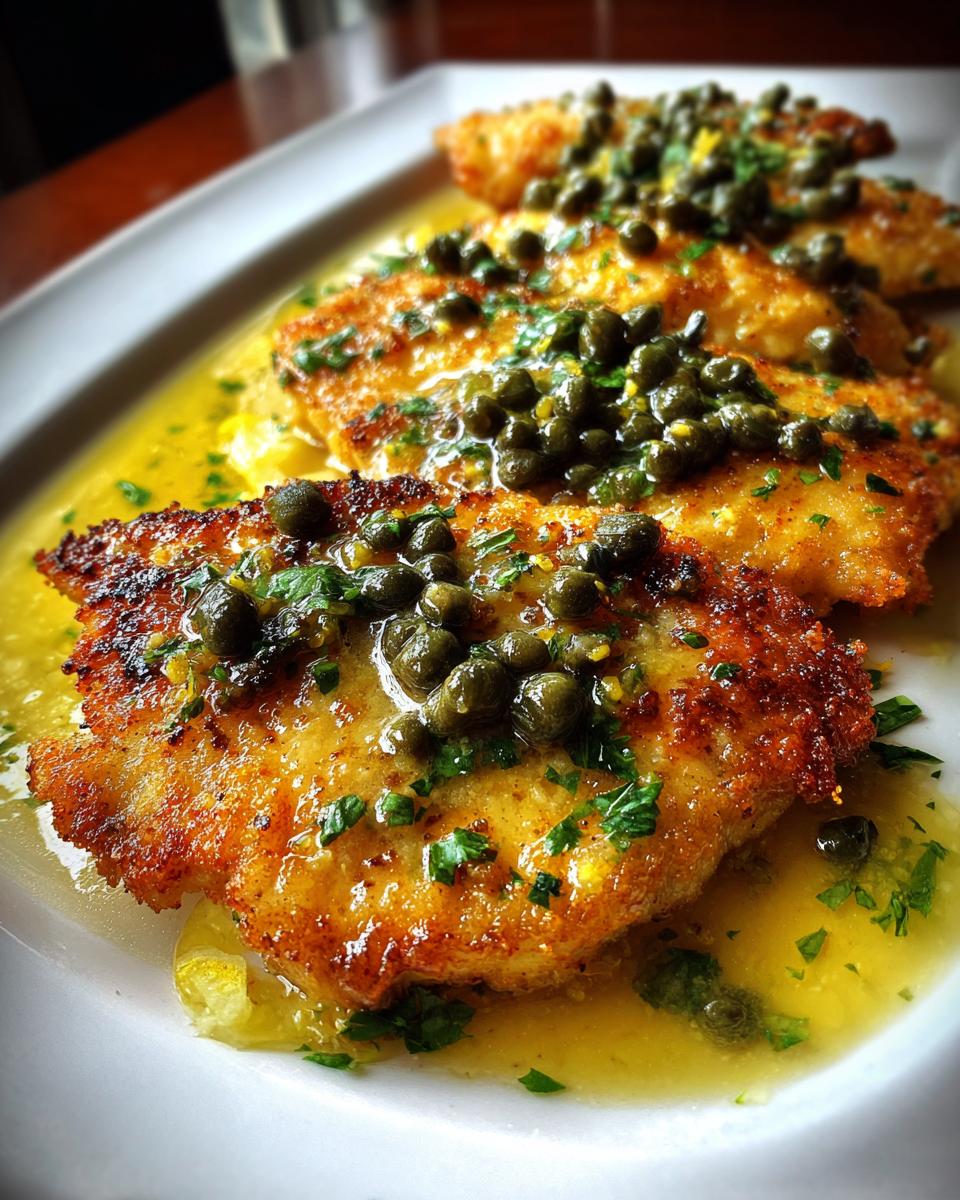
Get your large skillet hot over medium-high heat, adding the olive oil and half of your butter (that first tablespoon). Wait until that butter foams and starts to quiet down—then it’s ready. Lay the chicken in there without crowding the pan. If you cram them in, the temperature drops, and they steam instead of sear. That’s a rookie mistake! Cook them hard for 3 to 4 minutes on each side until they are beautifully golden brown. Pull them out immediately and set them on a plate to rest while you build that killer sauce.
Building the Buttery Lemon Sauce
Lower that heat down to medium. Pour in the white wine—now listen up—and start scraping the bottom of the pan immediately with a flat wooden spoon! That brown, almost crusty stuff clinging to the bottom? That’s called fond, and it’s pure flavor gold. Let that wine simmer down by half, maybe two minutes. Then, toss in the broth and the lemon juice and let it bubble for three minutes to concentrate. Stir in your capers and lemon zest. When you pull it off the heat, whisk in that last cold tablespoon of butter bit by bit until it melts and the sauce looks glossy—this is called mounting the sauce, and it makes it so luxurious. If you want that **creamy lemon chicken** finish, this is the moment to stir the heavy cream right in!

Tips for Perfect Chicken Piccata Every Time
Making this chicken piccata consistently great comes down to just a couple of kitchen instincts I picked up waiting tables. I’m translating these pro moves for you right now, so you never have a soggy crust or a thin, watery sauce again. These little tweaks separate a good dinner from something that tastes straight out of a high-end Italian spot.
Here are the things I never skip when making this dish:
- Don’t Crowd the Pan (Seriously!): I mentioned this before, but it bears repeating! Chicken cutlets need space to breathe and brown. If you try to fit all four pieces in at once, the temperature drops, and you spend five minutes steaming them in their own juices. Cook in two quick batches. It means you only dirty your skillet twice, but you guarantee that beautiful, crispy exterior before the sauce even starts.
- Use Cold Butter for the Finish: When you whisk that final bit of butter into the sauce, make sure it’s cool or just starting to soften. When you remove the pan from the heat right before adding it, the cold fat emulsifies beautifully into the lemon juices and broth. The result is a silky, rich texture that clings perfectly to the chicken—it won’t look greasy or separated at all.
- Capers Matter More Than You Think: If your sauce tastes flat, it’s probably your capers. Smell them raw—they are intensely briny and salty! Because of this intense flavor, don’t add any extra salt until *after* you’ve stirred in the drained capers. If you salt too early, you risk overwhelming the brightness of the lemon. Get the full flavor profile right by tasting last!
- Make it an Easy Chicken Dinner with Pasta Water: If you are serving this over angel hair, do yourself a huge favor and reserve about a half cup of that starchy pasta cooking water before you drain the noodles. If your lemon sauce looks a little too thin right at the end, start stirring in that hot, salty pasta water one tablespoon at a time. That starch is amazing at binding the sauce together, giving you luscious results instantly. For another great technique on classic sauces, you’ll want to check out my deep dive on chicken marsala sauce.
Serving Suggestions for Your Chicken Piccata
Okay, you’ve made the most unbelievably bright and flavorful chicken piccata—now what are you putting on the plate next to it? The sauce is bold—it’s lemony, it’s buttery, and it needs something simple to soak it all up, or something crisp to cut through that richness. This isn’t a dish that needs a heavy side; it shines best against simple starches or fresh, clean vegetables.
If you are looking to serve this as a proper Quick Italian Chicken meal, I have two go-to combinations that always make the table look amazing. Both options are built around simple Italian American principles, meaning the sides support the main event, they don’t try to steal the show!
- Over Light Pasta: This is classic for a reason! Angel hair pasta is my favorite choice because it’s so delicate and cooks in literally three minutes. Toss the cooked pasta lightly with a drizzle of good olive oil, a little salt, and maybe some fresh basil if you have it, then plate the chicken right on top and let that sauce cascade down. If you want a creamier take on the pasta base, you absolutely must try my recipe for creamy lemon pasta sometime!
- With Roasted or Sautéed Greens: For brightness, you need green. I’m obsessed with pairing this with asparagus roasted with just salt and pepper until it’s tender-crisp. The slight bitterness of the asparagus is the perfect counterpoint to the buttery sauce. You could also quickly sauté some fresh spinach with a tiny bit of garlic until it just wilts down. It keeps the meal feeling light and vibrant.
- As a Rice Companion: If pasta isn’t in the cards, this is fantastic served over a bed of plain white rice, or better yet, my Mediterranean lemon rice. The zest in the rice echoes the zest in the sauce, creating a really cohesive flavor experience on the plate!
Whatever you choose—whether it’s something starchy or something green—remember to present the chicken right away so the crust stays snappy a little longer!
Variations: Making Creamy Lemon Chicken Piccata
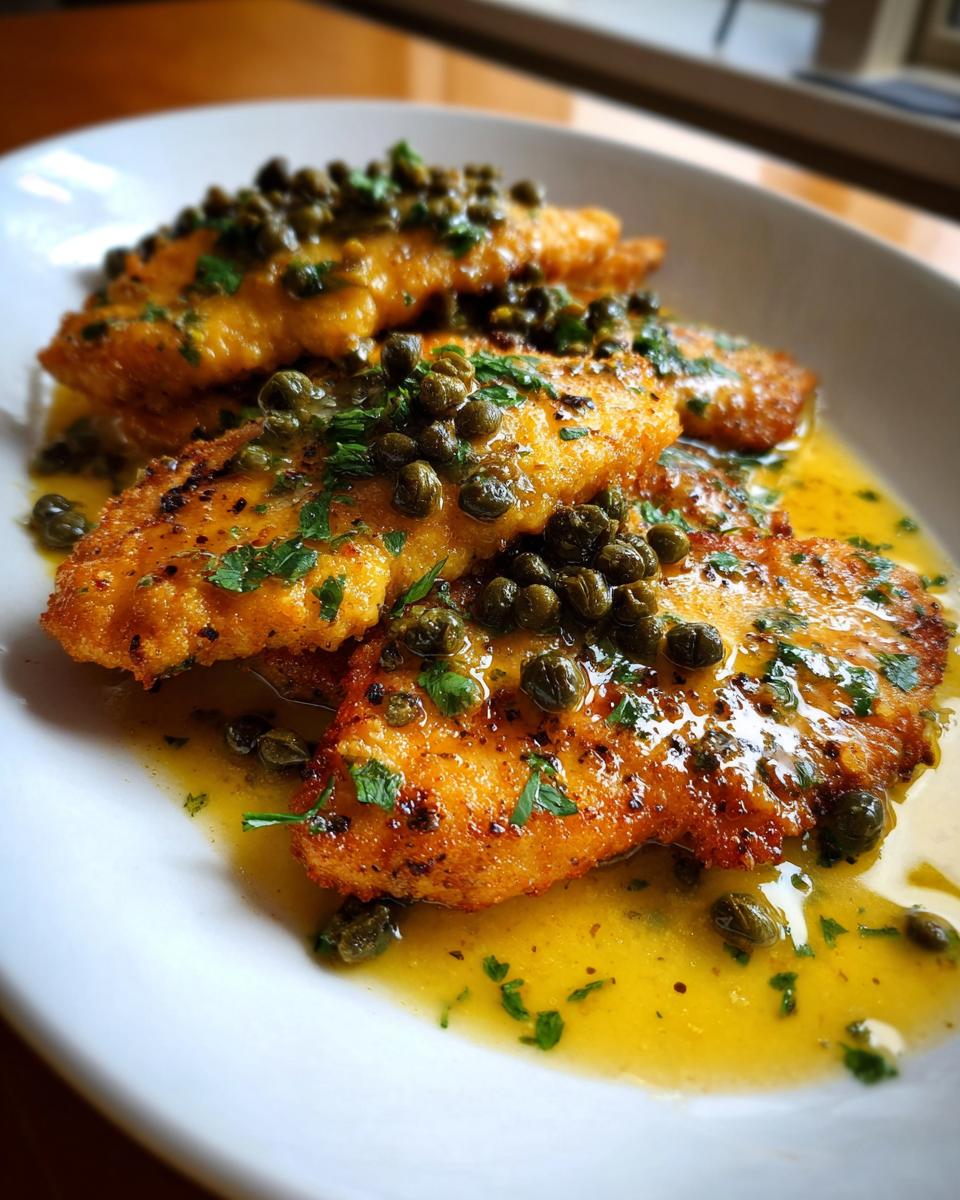
Okay, I know some of you look at that bright, tangy sauce and just think, “It needs to be richer!” And hey, I get it. If you’re craving something more comforting, turning this into a **creamy lemon chicken** version is ridiculously easy. Remember in Step 6 of the instructions? That’s your moment!
Right after you pull the pan off the heat and you whisk in that final knob of butter—that’s when you drizzle in those two tablespoons of heavy cream. Don’t boil it once the cream is in, or it might separate on you! Just stir gently until everything blends. You’ll get a sauce that is velvety, slightly milder, and absolutely decadent. It clings to the chicken in the most beautiful way. If you love creamy chicken sauces in general, you should check out my recipe for that decadent chicken alfredo sometime!
Storage and Reheating Instructions for Leftover Chicken Piccata
If you somehow managed to have leftovers of this unbelievably fast chicken piccata—which I applaud you for, because usually, it vanishes immediately—storage is super important for keeping that chicken from getting leathery. We want to protect that lovely, delicate crust we worked so hard to achieve!
Here’s my biggest tip for saving any leftovers: try to keep the chicken separate from the sauce if you can manage it. The sauce is wonderful, but it needs to be absorbed by pasta or rice, and leaving the chicken sitting in it overnight softens that great sear we gave it.
If you need to store them together, use an airtight container. This recipe is good in the fridge for about three days, tops. Don’t leave it out on the counter, even for an hour—the lemon sauce is rich and needs proper chilling.
The Best Way to Reheat Chicken Piccata
Reheating is where most people mess up great chicken piccata. Microwave? Don’t insult the little sautéed cutlets! That heat gets trapped and makes them rubbery super fast.
Instead, you have two real options:
- For the Quickest Reheat (Skillet Method): Put your skillet back over medium-low heat. Add just a tiny splash of fresh chicken broth or water—maybe a teaspoon or two—and let it warm up until steam starts rising. Place your chicken cutlet in the pan, spoon a little of the lemon caper sauce over the top, cover it quickly, and let it steam gently for about three to four minutes. This brings the temperature up without blasting it dry.
- For Crispiness (Oven Flash): If you have a little more time, preheat your oven to 350°F (175°C). Place the chicken on a baking sheet lined with foil. Reheat for about 8 to 10 minutes. This method keeps the meat tender while allowing the crust to firm up a bit again. Warm your sauce separately in a small saucepan and spoon it over the chicken right before serving!
Seriously, forget the microwave. A little patience with gentle heat preserves the integrity of both the chicken and that buttery lemon sauce!
Frequently Asked Questions About Chicken Piccata
I know you’re excited to make this, but sometimes a few little technical questions pop up as you cook. Don’t stress! That’s why I put together this quick troubleshooting section. Knowing the answers to these will really help you master **how to make chicken piccata** perfectly, every single time, turning it into your go-to easy chicken dinner!
Can I skip the white wine in the Lemon Caper Sauce?
Oh, absolutely you can! I know some folks aren’t into cooking with wine, or maybe you just don’t keep it stocked, and that is totally fine. If you skip the wine, the recipe notes suggest the best magic trick is to substitute it with an equal amount of extra chicken broth—so half a cup—but you need to mimic that tartness that the wine brings. So, stir in about one teaspoon of white vinegar along with the broth when you deglaze the pan. That little bit of acid keeps the sauce tasting bright and balanced!
What is the best way to keep the chicken from getting tough when making chicken piccata?
This comes down to two things, both of which we stressed earlier because they are non-negotiable for me! First, you have to pound it thin. If you have cutlets thicker than about 1/4 inch, they take too long to cook through in the skillet, and by the time the center is done, the outside is overcooked and tough. Second, once they are golden brown, pull them out immediately! Don’t leave them sitting in a hot pan while you fiddle with the sauce. They will just keep cooking off the heat. Putting them back in at the very end just to coat them with sauce is all the time they need for that final warm-through.
Is this considered a healthy chicken dinner?
That’s a great question, especially since sometimes we want elegance without the heaviness! If you look at the nutrition estimate, this recipe does call for butter, which obviously adds fat content, but compared to a heavy cream sauce or something deep-fried, this is actually pretty light! It’s naturally low in sugar and carbohydrates because we aren’t adding a thick flour coating or serving it with a huge side of pasta. If you want to lean into the ‘healthy’ side, just use one tablespoon of butter instead of two in the sauce finishing step, and pair it with tons of roasted vegetables instead of noodles. It’s really simple to lighten up!
Nutrition Estimates for This Chicken Piccata Recipe
Now, I always give a little disclaimer because the “best” way to make chicken piccata might involve a wildly generous pour of butter or wine for you—and honestly, I won’t judge you for it! These numbers are just baselines based on the ingredients list I provided, assuming you’re serving just one cutlet with a modest amount of sauce and not swimming it in pasta.
You can see this really leans toward being both a high-protein, light meal and an easy chicken dinner if you stick to the measurements. Remember, this estimate doesn’t include sides like pasta or vegetables, so factor those in if you’re watching your macros!
- Serving Size: 1 cutlet with sauce—that’s a good starting point!
- Calories: Around 350 (Wow, so few for something this flavorful!)
- Sugar: Just about 2 grams
- Sodium: 450 mg (This will fluctuate a ton based on how salty your broth and capers are.)
- Fat: 18 grams total
- Saturated Fat: 6 grams
- Unsaturated Fat: 12 grams
- Trans Fat: 0 grams (We love that!)
- Carbohydrates: 8 grams
- Fiber: 1 gram
- Protein: A whopping 38 grams—this really fills you up!
- Cholesterol: 110 mg
Keep in mind, if you opt for the heavy cream to make that luscious, creamy lemon chicken version, those fat and calorie counts are definitely going to climb up a little bit. It’s all about balance in the end, right? Cook what you love!
PrintQuick 30-Minute Chicken Piccata with Lemon Caper Sauce

Make restaurant-quality Chicken Piccata at home in under 30 minutes. This recipe features tender chicken cutlets in a bright, buttery lemon and caper sauce.
- Prep Time: 10 min
- Cook Time: 20 min
- Total Time: 30 min
- Yield: 4 servings 1x
- Category: Dinner
- Method: Pan Frying
- Cuisine: Italian American
- Diet: Low Fat
Ingredients
- 4 boneless, skinless chicken breasts (about 1.5 lbs total)
- 1/2 cup all-purpose flour
- 1 teaspoon salt
- 1/2 teaspoon black pepper
- 2 tablespoons olive oil
- 2 tablespoons unsalted butter, divided
- 1/2 cup dry white wine (like Pinot Grigio)
- 1/2 cup low-sodium chicken broth
- 1/4 cup fresh lemon juice
- 2 tablespoons capers, drained
- 1 tablespoon fresh parsley, chopped
- 1 tablespoon lemon zest
- Optional: 2 tablespoons heavy cream for a creamy sauce
Instructions
- Prepare the chicken: Place each chicken breast between two sheets of plastic wrap. Pound the chicken to an even 1/4-inch thickness using a meat mallet or rolling pin.
- Dredge the chicken: In a shallow dish, combine the flour, salt, and pepper. Lightly coat each pounded chicken cutlet in the flour mixture, shaking off any excess.
- Cook the chicken: Heat the olive oil and 1 tablespoon of butter in a large skillet over medium-high heat. Add the chicken in batches, being careful not to overcrowd the pan. Cook for 3 to 4 minutes per side until golden brown and cooked through. Remove the chicken to a plate and set aside.
- Start the sauce: Reduce the heat to medium. Add the white wine to the skillet, scraping up any browned bits from the bottom of the pan. Let the wine reduce by half, about 2 minutes.
- Build the sauce: Pour in the chicken broth and lemon juice. Bring the mixture to a simmer. Stir in the capers and lemon zest. Let the sauce cook for 3 minutes until it thickens slightly.
- Finish the sauce: Remove the skillet from the heat. Whisk in the remaining 1 tablespoon of butter until melted and incorporated. If you want a creamy sauce, stir in the heavy cream now. Taste and adjust salt and pepper if needed.
- Serve: Return the chicken cutlets to the skillet and spoon the lemon caper sauce over them. Garnish with fresh parsley. Serve immediately over pasta or with vegetables.
Notes
- For an even quicker meal, use pre-sliced thin chicken cutlets.
- If you do not use wine, substitute it with an equal amount of extra chicken broth mixed with 1 teaspoon of white vinegar for acidity.
- Serve this dish over angel hair pasta or alongside roasted asparagus for a complete meal.
Nutrition
- Serving Size: 1 cutlet with sauce
- Calories: 350
- Sugar: 2
- Sodium: 450
- Fat: 18
- Saturated Fat: 6
- Unsaturated Fat: 12
- Trans Fat: 0
- Carbohydrates: 8
- Fiber: 1
- Protein: 38
- Cholesterol: 110