

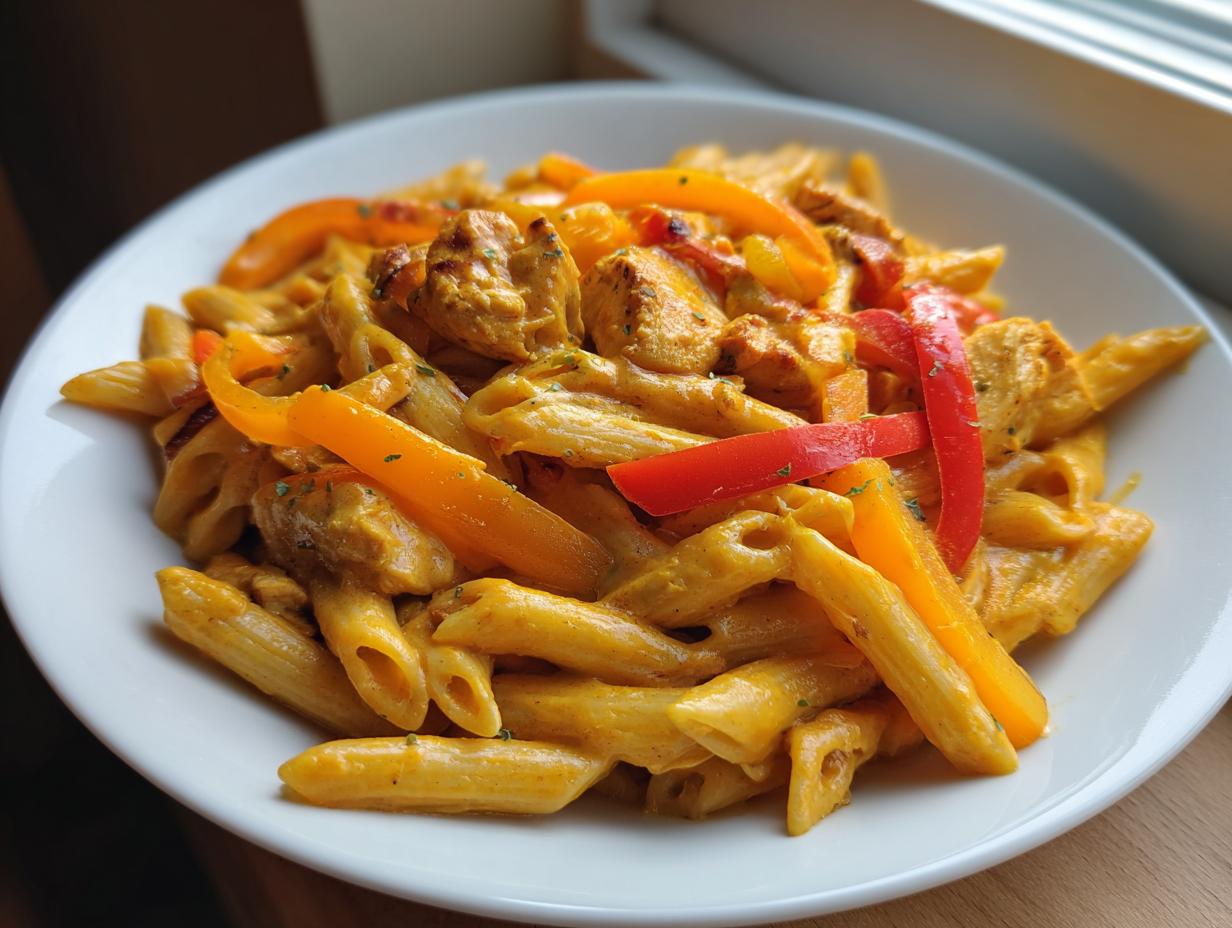
When you need dinner to bring life, color, and some serious heat to a Tuesday night, you don’t need fussy techniques—you need flavor translation. Forget everything you think you know about making exciting meals; this Creamy Jamaican Rasta Pasta is the dish that proves it. We’re taking that bold Caribbean spice profile and simplifying the sauce construction so you get that unforgettable, luscious texture without spending all evening babysitting the stove. This rasta pasta is my personal cheat code for making comfort food feel like a vibrant island vacation.

- Why This Creamy Jerk Pasta is Your New Weeknight Caribbean Dinner Idea
- Ingredients for the Best Rasta Pasta with Chicken
- How to Prepare This Easy Rasta Pasta Recipe: Step-by-Step
- Serving Suggestions for Your Colorful Pasta Dish
- Storage and Reheating Instructions for Leftover Rasta Pasta
- Frequently Asked Questions About Making Rasta Pasta
- Understanding the Nutrition in This Spicy Creamy Pasta
- Share Your Island Inspired Cuisine Experience
Why This Creamy Jerk Pasta is Your New Weeknight Caribbean Dinner Idea
I get it—the idea of ‘authentic’ Caribbean flavor can sound intimidating, like something only chefs in brightly lit restaurants can manage. Not here! This creamy jerk pasta is the absolute definition of a fantastic easy rasta pasta recipe. It delivers that huge, bold flavor punch you crave, but it’s genuinely a 40-minute meal. It’s my goal to give you that showstopper Caribbean dinner idea without the fuss.
- It’s wonderfully colorful—a total win for your Pinterest game.
- It comes together fast: quicker than ordering takeout on a busy night!
- It’s decadent comfort food disguised as an exciting, vibrant plate.
Flavor Translation: Building Authentic Jamaican Rasta Pasta
The secret weapon here, truly, is leaning on quality store-bought jerk seasoning. I’m a firm believer in using the best shortcuts available. Instead of spending hours mixing allspice, thyme, and scotch bonnet pepper profiles yourself, grab a good jar of jerk. We use that seasoning on the chicken first. Then, we use the residual oils and flavor left in the pan to build the creamy sauce base. That’s how the complex flavor of an authentic Jamaican pasta gets translated onto your counter in under an hour.
Ingredients for the Best Rasta Pasta with Chicken
When we lay out the ingredients for our rasta pasta with chicken, I want you to feel completely in control. This isn’t one of those recipes where you realize you’re missing a weird spice at step seven. Everything here is designed to work hard, giving us that colorful, spicy creamy pasta experience without complication. We’re aiming for that rich, satisfying texture that makes this a perfect family meal.
First up, you need one pound of penne pasta—it holds onto that creamy sauce beautifully—and one tablespoon of olive oil to get things started in the pan. Then comes the star protein: one pound of boneless, skinless chicken breasts, cut neatly into bite-sized pieces. Make sure you have one teaspoon of salt and half a teaspoon of black pepper ready for seasoning, along with that essential quarter cup of jerk seasoning. After that, chop one medium onion and slice one whole red bell pepper and one whole yellow bell pepper—those colors are key! Next, mince three cloves of garlic. For the sauce structure, grab one 14.5 ounce can of diced tomatoes (liquid and all!), one cup of chicken broth, one cup of heavy cream, and half a cup of grated Parmesan cheese. Finish it off with a little fresh parsley for garnish. It looks like a lot, but trust me, it comes together like magic. If you want to look at how I handle another amazing one-pan dinner, check out my chicken pad thai next!
Ingredient Notes and Substitutions for Rasta Pasta
Let’s talk about that jerk seasoning—use what you love, but be warned, the heat level varies wildly between brands. If you like things scorching, ramp up the measurement! If a full quarter cup is too much heat for your crew, pull back a bit. Remember, you can always add more spice later. For protein swapping, I love this with shrimp; just swap the chicken for one pound of peeled shrimp and cook it for just two or three minutes until it turns pink, setting it aside quickly. And don’t forget our notes on making this a great vegetarian rasta pasta option by swapping that chicken broth for veggie broth!
How to Prepare This Easy Rasta Pasta Recipe: Step-by-Step
Alright, let’s get cooking! Since this is a 40-minute meal, timing is everything, but don’t stress—we’re doing things in the order that builds the best flavor profile possible. First things first: get that penne boiling! Drop your pound of pasta in salted water and cook it until it’s perfectly *al dente*. Crucially, before you drain it, scoop out about half a cup of that starchy water and save it. That water is liquid gold for thickening our sauce later.
While that’s bubbling away, it’s time to manage the protein. You need a large skillet hot, medium-high heat, with a slick of olive oil. Toss your jerk-seasoned chicken chunks in there. I personally love seeing that dark, spicy sear on the chicken, which means you shouldn’t crowd the pan! Cook it for about 5 to 7 minutes until it’s cooked through, then pull that chicken out and let it hang out on a plate.

Now we move into sauce building. Toss in your onions and peppers. Let them soften up—about 5 minutes is usually enough to take the raw edge off. Then, add your garlic for about 60 seconds until you can really smell it. Next, scrape in those diced tomatoes and pour in the broth. Let that simmer for three minutes to let those amazing flavors from the chicken bottom of the pan melt into the liquid. If you want to see a similar technique used in another quick meal, check out my creamy lemon pasta recipe for inspiration!
Chef’s Tip: Building the Flavor Base for Your Rasta Pasta
When you’re searing that chicken? Make sure your skillet is properly hot and don’t dump all the pieces in at once. Giving them space means they brown instead of steam. That browned layer, that fond, is pure flavor. After the veggies are soft, scraping up those bits while adding the tomatoes is non-negotiable for getting that authentic depth in your bold flavor pasta.
Achieving the Perfect Creamy Jerk Pasta Sauce Consistency
Once the simmering liquid has reduced slightly, turn that heat down to medium-low—we don’t want to scorch the dairy! Stir in the heavy cream until everything is smooth. Now, add your Parmesan cheese slowly, stirring constantly until it’s melted and the sauce is starting to look luscious. If it looks too tight or clingy once you add the pasta back in, this is where your reserved pasta water comes in. A splash or two will loosen everything up perfectly, giving you that luxurious, creamy jerk pasta coating that holds onto the penne.

Serving Suggestions for Your Colorful Pasta Dish
Now that you’ve translated that incredible Caribbean flavor into your own kitchen, you need something simple to serve alongside it. Because this rasta pasta is already so rich, spicy, creamy, and packed full of color from the peppers, you shouldn’t overcomplicate the sides. We want things that cut through the richness or use that sauce as a dipping element.
My go-to is always something sharp and fresh. A really simple green salad tossed with a bright lime vinaigrette absolutely sings next to the heavy, smoky jerk notes. It keeps the whole meal from feeling too heavy, especially if you’re serving this on a warmer evening.
But, honestly, if you are looking for something warm to scoop up every single last drop of that creamy Parm-jerk sauce? You need bread. I highly recommend whipping up some easy easy garlic naan bread. It functions perfectly as a mop for the sauce, and who doesn’t want buttery, garlic-soaked bread to accompany their pasta night inspiration? It takes hardly any time, and it feels like you ordered a full feast at a restaurant.
If you made the shrimp version, a side of grilled pineapple is an easy way to lean into that island vibe, too. Otherwise, keep it simple. Let that vibrant, colorful pasta do all the talking!
Storage and Reheating Instructions for Leftover Rasta Pasta
Okay, let’s be real—this rasta pasta with chicken is so ridiculously good that you might actually have leftovers. If you do get lucky enough to have some of this comfort food pasta hanging around, how you store and reheat it really matters, especially with that rich cream sauce.
First, stop cooking right away! Don’t let the pasta sit hot in the sauce on the counter for hours. If you need to store it, get it into an airtight container and into the fridge within two hours. It should be totally good to eat for about three, maybe four days max. Remember, we used heavy cream, so it likes the cold but it doesn’t love hanging around forever.
Proper Storage for Creamy Pasta Success
When you put it away, be aware that the sauce *will* tighten up significantly once it chills down—this is totally normal for any creamy pasta dish. It’s not spoiled; it just means the fats have solidified a little. Don’t panic if it looks stiff the next day; we have tricks for that!
Reheating Your Rasta Pasta Without Breaking the Sauce
This is the most important part for keeping that smooth texture. You cannot just blast this in the microwave uncovered; it tends to seize up and the sauce can sometimes turn grainy or oily if you overheat it too fast. My preferred method for reheating this spicy creamy pasta is low and slow on the stovetop.
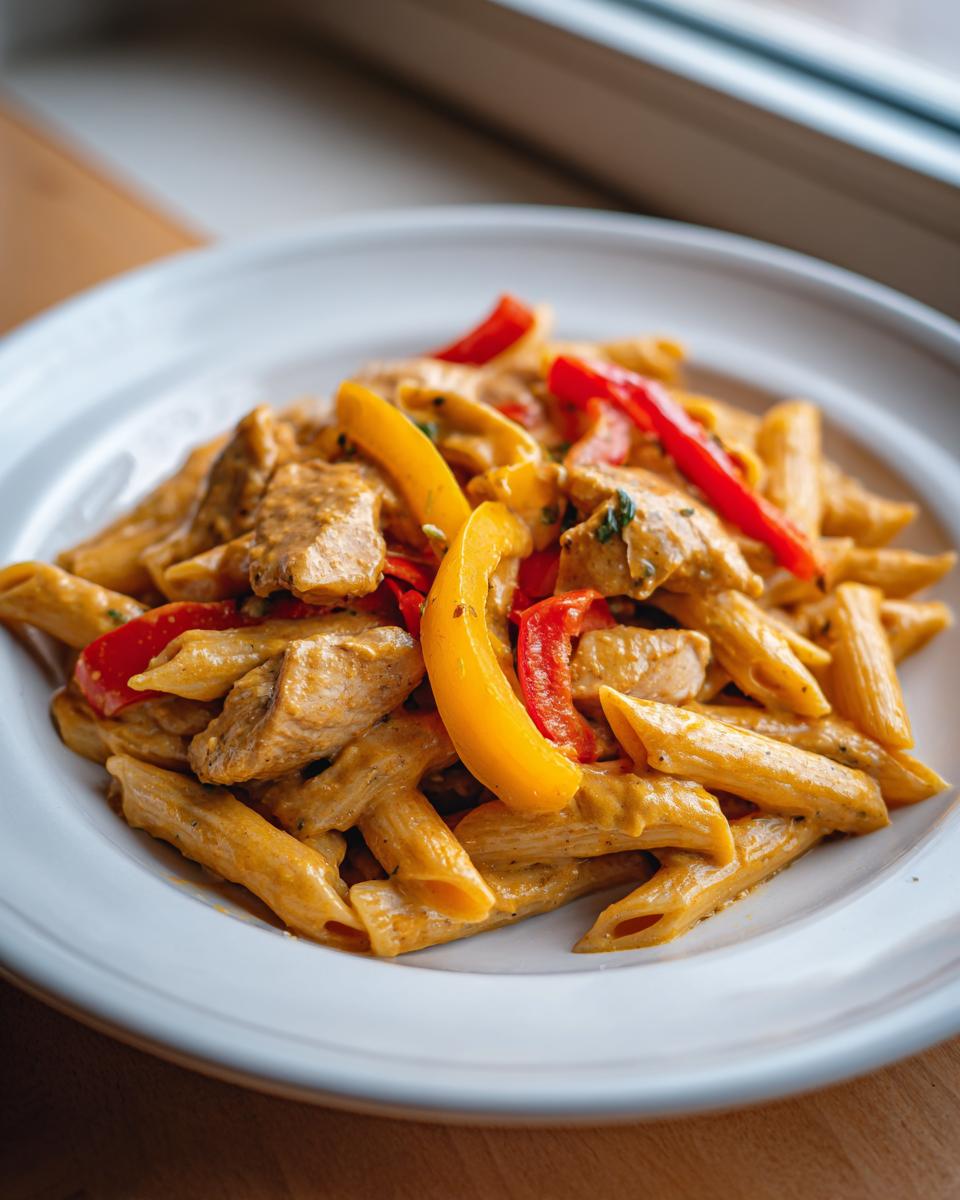
Transfer your portion into a small saucepan over medium-low heat. Before you even turn the burner on, stir in a splash of liquid—I prefer a little milk, but chicken broth or even water works—for every serving you plan to reheat. Stir constantly as it warms up gently. That extra liquid will melt back into the sauce, bringing that beautiful, silky consistency back to life. In about 5 to 8 minutes, you’ll have that delicious, colorful pasta dish ready to devour again, just as if you made it tonight!
Frequently Asked Questions About Making Rasta Pasta
When you’re translating a recipe for the first time, you always have a few extra questions floating around, and that’s okay! I want this Jamaican pasta recipe to be foolproof for you, so here are a few things I hear most often when people tackle their first batch of rasta pasta.
Can I make this rasta pasta vegetarian?
Absolutely, this is a flexible dish! You can easily turn this into a fantastic vegetarian rasta pasta. Since we don’t want to lose that robust texture the chicken gives us, I suggest swapping it out with hearty mushrooms or even canned chickpeas during the vegetable sautéing phase. Most importantly, make sure you use vegetable broth instead of chicken broth when building the sauce base. That keeps the integrity of the flavor while making it completely meatless—perfect for a weeknight Caribbean meal swap!
What is the best pasta shape for this dish?
While the recipe calls for penne, you can really use anything that scoops up a good amount of that creamy sauce. My personal favorites for this kind of heavy, saucy dish are rigatoni or rotini (the spirals are perfect saucemopppers!). Penne works great because it’s easy to find and grabs the bits of peppers and chicken so you get a little bit of everything in one bite. Any short, sturdy pasta shape will keep this from turning into sloppy noodles, which is always a win for a comfort food pasta!
How spicy is authentic rasta pasta?
That’s the million-dollar question! The heat level in authentic Jamaican pasta—and any dish using jerk seasoning—is entirely up to you. If you use a standard, store-bought jerk seasoning (which is what we recommend for ease), you get a nice warm, smoky heat that isn’t overwhelming. If you want that *real* Caribbean fire that traditionalists expect, you’ll need to look for a jerk paste that lists Scotch Bonnet peppers high up on the ingredient list, or you can add a pinch of cayenne yourself when seasoning the chicken. If you need more inspiration for making things exciting, check out my guide to an easy chili recipe where managing heat is key!
Can I use shrimp instead of chicken?
Yes, and it’s heavenly! If you prefer rasta pasta with shrimp, just treat the shrimp gently. You’ll cook them in that seasoned oil for only about 2-3 minutes per side until they are pink and opaque, then pull them out immediately. They go back into the sauce right at the end when you toss in the pasta, ensuring they don’t get tough and rubbery.
Understanding the Nutrition in This Spicy Creamy Pasta
When you’re cooking with bold flavors like jerk seasoning and rich ingredients like heavy cream and Parmesan, you know this spicy creamy pasta is going to be satisfying. That’s why I always like to give you the breakdown here. Knowledge is power in the kitchen, right? You deserve to know what’s going into your body when you whip up these incredible Caribbean dinner ideas.
Below, I’ve laid out the estimated nutritional information for one serving of this rasta pasta with chicken. Remember, this is based on using the exact measurements listed, assuming four servings total. If you go heavy on the jerk seasoning or add extra cheese, those numbers are going to shift, so take this as a fantastic baseline for your meal planning!
- Calories: 750
- Fat: 35g
- Saturated Fat: 18g
- Sodium: 650mg
- Carbohydrates: 70g
- Protein: 45g
- Sugar: 8g
See that protein count? That’s why this dish is so satisfying; it truly sticks with you! While the fat content is what gives our sauce that amazing, silk-smooth texture we worked so hard to achieve, you’ve got plenty of fuel from the carbs and protein to get you through the evening. This is a truly decadent, flavorful meal, and seeing the numbers laid out like this helps you appreciate the balance of power packed into every forkful of your finished rasta pasta.
Share Your Island Inspired Cuisine Experience
Now that you’ve officially learned the lingo and translated this huge flavor into your own kitchen, I desperately want to know how it went! Cooking is a conversation, right? I want to hear about your experience making this rasta pasta. Did you stick with the chicken, or did you opt for the shrimp version? Did you end up ramping up that jerk seasoning like I sometimes do?
Drop everything in the comments below! Seriously, I read every single one. Letting me know how your sauce consistency turned out or what vegetable you swapped in is the best way for us all to keep translating these recipes into even better versions next time around. Don’t be shy—tell me if you made it fiery or kept it mild!
If you snapped a photo of that beautiful, colorful pasta dish sitting on your counter, tag us on social media! Seeing your vibrant plates makes my day, and it’s the best inspiration for keeping that Kitchen Slang voice alive and translating more killer meals for you. I can’t wait to see your take on this ultimate Island inspired cuisine!
PrintCreamy Jamaican Rasta Pasta with Jerk Chicken

This Rasta Pasta recipe brings bold Caribbean flavor to your weeknight table. You get tender chicken coated in jerk seasoning, colorful peppers, and a rich, creamy sauce tossed with penne pasta. It is a quick, satisfying meal.
- Prep Time: 15 min
- Cook Time: 25 min
- Total Time: 40 min
- Yield: 4 servings 1x
- Category: Dinner
- Method: Stovetop
- Cuisine: Caribbean
- Diet: Vegetarian
Ingredients
- 1 pound penne pasta
- 1 tablespoon olive oil
- 1 pound boneless, skinless chicken breasts, cut into bite-sized pieces
- 1 teaspoon salt
- 1/2 teaspoon black pepper
- 1/4 cup jerk seasoning (use more for extra heat)
- 1 medium onion, chopped
- 1 red bell pepper, sliced
- 1 yellow bell pepper, sliced
- 3 cloves garlic, minced
- 1 (14.5 ounce) can diced tomatoes, undrained
- 1 cup chicken broth
- 1 cup heavy cream
- 1/2 cup grated Parmesan cheese
- 1/4 cup chopped fresh parsley, for garnish
Instructions
- Cook the penne pasta according to package directions until al dente. Drain the pasta, reserving about 1/2 cup of the pasta water. Set the pasta aside.
- While the pasta cooks, season the chicken pieces with salt, pepper, and jerk seasoning.
- Heat the olive oil in a large skillet or Dutch oven over medium-high heat. Add the seasoned chicken and cook until browned and cooked through, about 5 to 7 minutes. Remove the chicken from the skillet and set it aside.
- Add the chopped onion and bell peppers to the same skillet. Cook until the vegetables soften slightly, about 5 minutes.
- Add the minced garlic to the skillet and cook for 1 minute until fragrant.
- Pour in the diced tomatoes (with their juice) and the chicken broth. Bring the mixture to a simmer and let it cook for 3 minutes, scraping up any browned bits from the bottom of the pan.
- Reduce the heat to medium-low. Stir in the heavy cream and Parmesan cheese until the sauce is smooth and slightly thickened.
- Return the cooked chicken to the skillet. Stir to coat everything in the sauce.
- Add the cooked pasta to the skillet. Toss everything together until the pasta is fully coated. If the sauce seems too thick, add a splash or two of the reserved pasta water until you reach your desired consistency.
- Taste and adjust seasoning if needed. Serve immediately, garnished with fresh parsley.
Notes
- For a shrimp version, substitute the chicken with 1 pound of peeled and deveined shrimp. Cook the shrimp just until pink, about 2-3 minutes per side, before setting aside.
- If you want a vegetarian rasta pasta, skip the chicken and use vegetable broth instead of chicken broth. You can add mushrooms or chickpeas for texture.
- If you do not have jerk seasoning, you can create a quick substitute using allspice, thyme, cayenne pepper, brown sugar, and black pepper.
Nutrition
- Serving Size: 1 serving
- Calories: 750
- Sugar: 8
- Sodium: 650
- Fat: 35
- Saturated Fat: 18
- Unsaturated Fat: 17
- Trans Fat: 1
- Carbohydrates: 70
- Fiber: 4
- Protein: 45
- Cholesterol: 150