

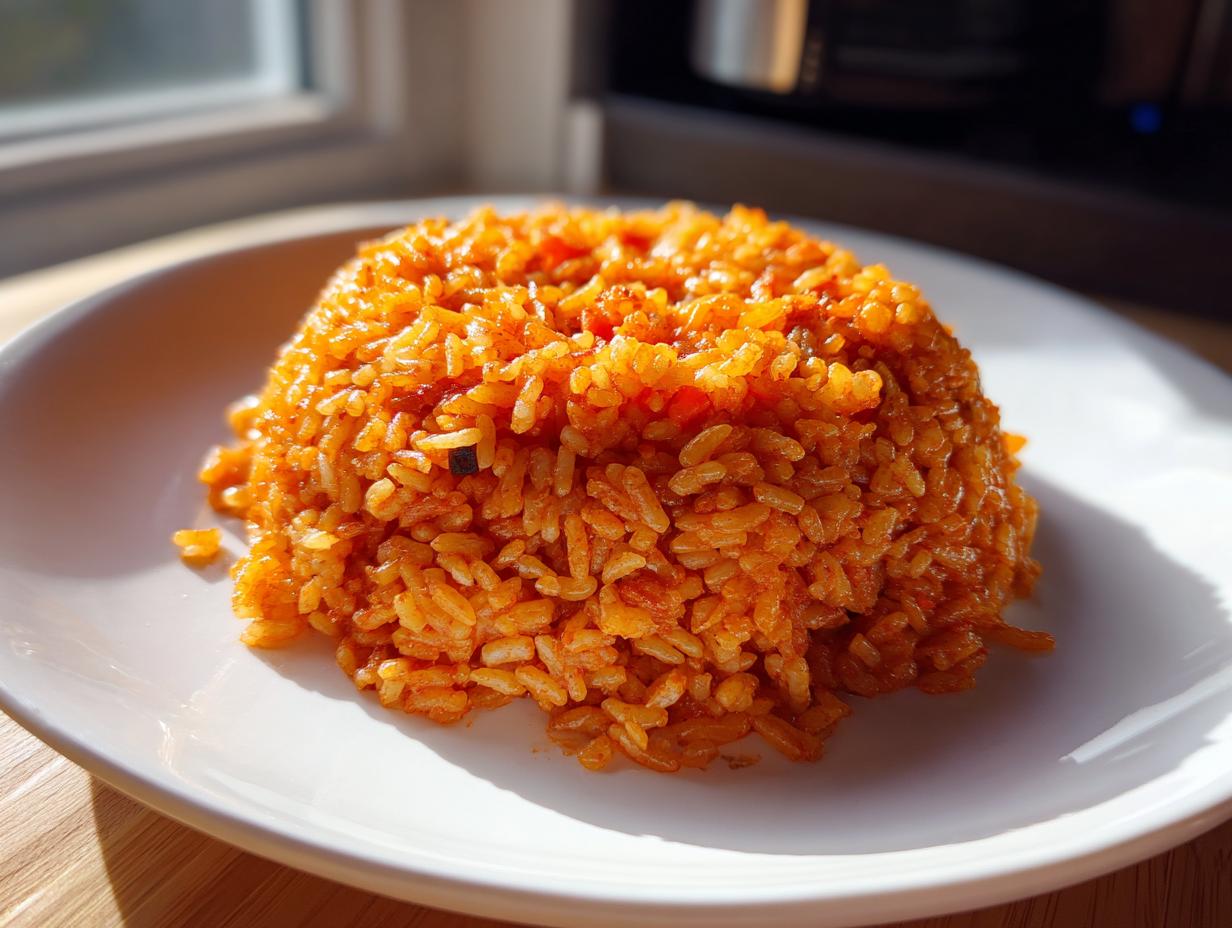
Look, when we talk about food that tells a whole story—that speaks of celebration, family arguments over which West African Rice Dish reigns supreme—we’re talking about jollof rice. I know what you’re thinking: “That authentic stuff is way too hard for a Tuesday night.” That’s the old kitchen slang talking! Here at Kitchen Slang, my whole mission, thanks to what I learned cooking next to line cooks and in my own family kitchen, is to translate those intimidating steps into something you can nail on the first try. Forget fancy equipment; this is the definitive, Authentic Nigerian Smoky Jollof Rice recipe, made completely right on your stovetop in one pot. Get ready to skip the cleanup and jump straight to the flavor.
- Why This Authentic Jollof Rice Recipe Works for Every Cook
- Essential Ingredients for Perfect Nigerian Jollof Rice
- How to Cook Jollof Rice: Step-by-Step Instructions
- Expert Tips for the Best Jollof Recipe
- Serving Suggestions for Your Flavored Rice Dinner
- Storage and Reheating Instructions for Leftover Jollof Rice
- Frequently Asked Questions About Jollof Rice
- Nutritional Snapshot of This Flavored Rice Dinner
- Share Your Party Rice Recipe Success
Why This Authentic Jollof Rice Recipe Works for Every Cook
You don’t need to be at a huge party to enjoy the absolute best flavor this dish offers. I’m telling you, this stovetop method is the secret handshake for nailing that vibrant color and mouthwatering taste everyone chases. We skip the complicated setups and focus on technique. This is why this jollof rice recipe is a game-changer for you:
- It relies on the flavor-building power of cooking down the tomato base—no shortcuts here!
- It gives you control over the final texture far better than an oven method sometimes allows.
- You get to keep your counters clean because it’s a true One Pot Rice Meal.
Achieving the Signature Smoky Flavor Jollof
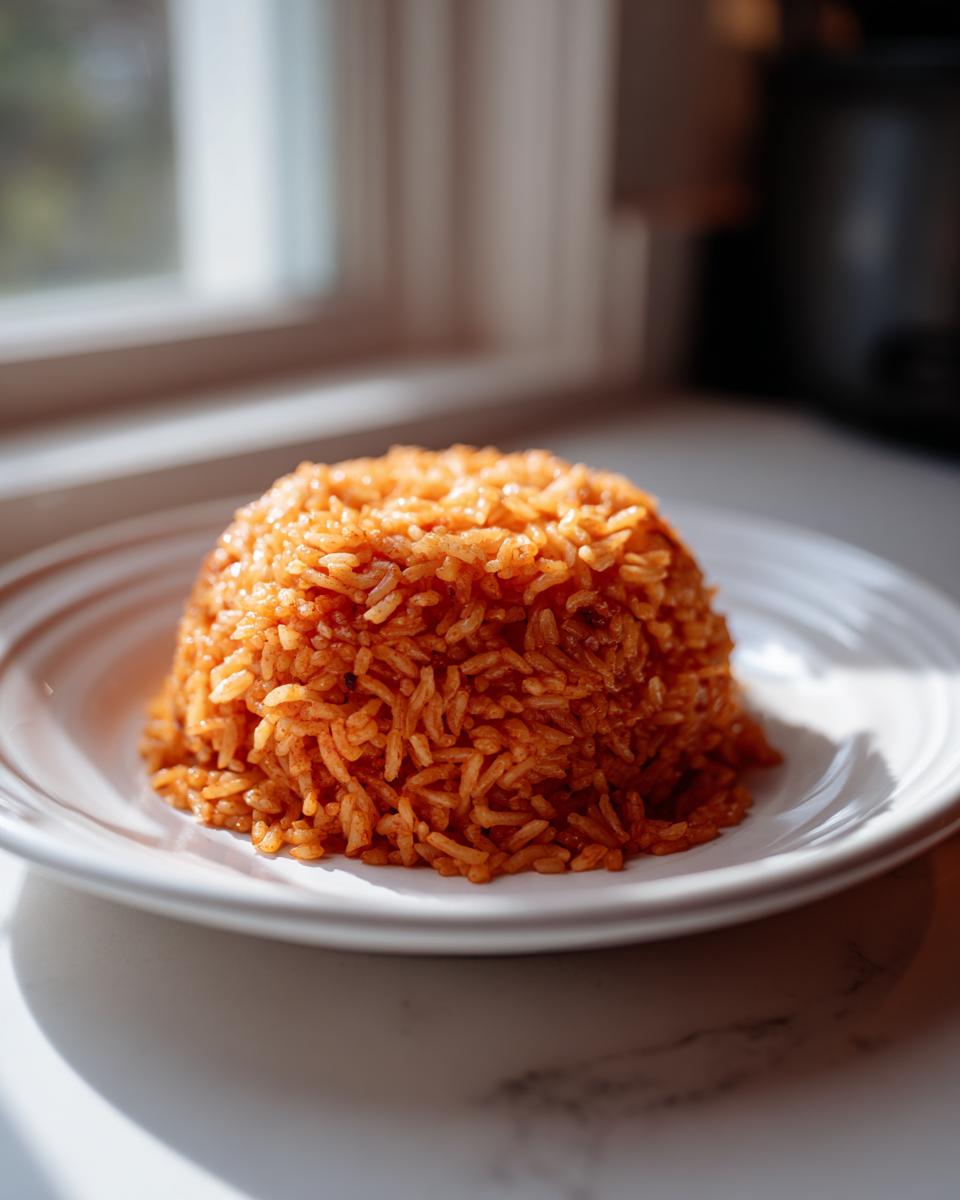
Okay, this is the moment of truth for any great jollof rice. That deep, smoky undertone? That’s not from a special grill; that comes from *us* being a little brave at the very end! Once the rice is almost done, we let it sit on super low heat, covered tightly with foil, for just a few minutes. This lets the bottom layer slightly kiss the pot—that’s the perfect scorch! You aren’t burning it, you’re just creating that signature smoky flavor Jollof dreams are made of.
One Pot Rice Meal Simplicity
Honestly, the cleanup after making this One Pot Rice Meal is half the fun of cooking it. Since every single flavor is built in that single heavy-bottomed pot—from the peppers sautéing to the final steam—you aren’t juggling multiple pans. We’re translating busy-day cooking for you here. You get the bold, iconic taste without spending an hour scrubbing sauce remnants.
Essential Ingredients for Perfect Nigerian Jollof Rice
You can’t fake flavor in jollof rice, folks. The color, the depth, the savory taste—it all starts right here. I’ve listed everything you need to build that incredible tomato and pepper base that is the heart of this whole West African Rice Dish. Seriously, pay close attention to the fresh stuff; it matters more than you think! You’ll need 3 cups of long-grain parboiled rice, which is critical for texture. For the essential stew base, gather 1 large onion (half chopped, half blended), 4 large ripe tomatoes, 2 red bell peppers, and your heat source, which is 1 scotch bonnet pepper.
Don’t forget the aromatics: a good chunk of ginger and 4 cloves of garlic gets blended straight in! To build the savory notes, grab 1/2 cup of vegetable oil, 1/4 cup of tomato paste (we cook this down!), 4 cups of stock (we’re using chicken or beef), plus thyme, bay leaves, curry powder, salt, black pepper, and one little bouillon cube for that extra boom. If you’re looking for other ways to build intense flavor without much fuss, you should check out my guide to making Easy Chili Recipe.
Ingredient Notes and Substitutions for Jollof Rice
Let’s talk specifics because the right ingredients make all the difference here when making your Authentic Jollof Recipe. First, you absolutely must use parboiled rice. Regular long-grain will turn to mush! We want that firm, separate grain you get with parboiled rice in our jollof rice.
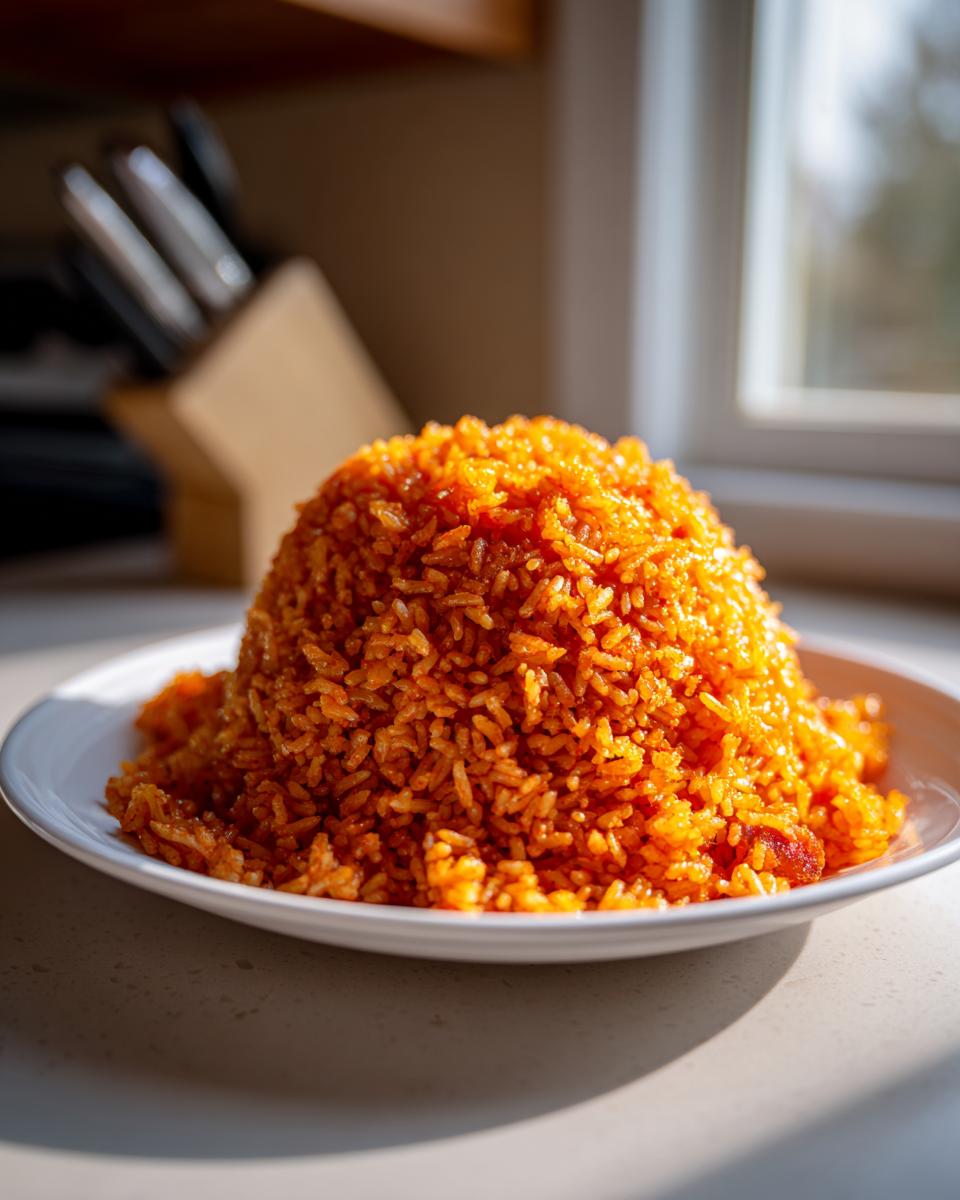
Next up: the heat. That scotch bonnet pepper is where the magic happens, but if you’re nervous, maybe use half, or remove the seeds entirely. Trust me, you can always add more spice later! If you’re cooking this as a Vegetarian Jollof Option, just swap the chicken or beef stock for a really flavorful vegetable stock or even just water, but remember to boost that bouillon cube and salt to keep that deep savory taste!
How to Cook Jollof Rice: Step-by-Step Instructions
This is where we translate the chef’s rhythm into simple kitchen steps. Don’t look at this as a long process; look at it as building layers of flavor that result in the Best Jollof Recipe you’ve ever made. We’re using the stovetop method described in the recipe card, and I promise, if you follow these timings, you’re going to end up with that perfectly cooked, vibrant rice.
Building the Flavor Base: The Stew
First things first, we make the actual stew—this is the soul of your jollof rice. Take half your chopped onion, the tomatoes, peppers, scotch bonnet, ginger, and garlic, and blend them until they’re totally smooth. No lumps allowed! Now, get your big, heavy pot hot with the oil. Toss in that *other* half of the onion and cook until it softens up, maybe three minutes. Next—and this is key—stir in all your tomato paste. You need to cook that paste down until it gets a little darker, almost rusty looking. That cooks out the raw sourness and sweetens the flavor immensely.
Once the paste is happy, pour in your blended pepper mixture. Toss in your spices—thyme, bay leaves, curry powder, salt, and that bouillon cube. We let this simmer uncovered for a solid 15 to 20 minutes. You need to stir it every few minutes so it doesn’t stick. We are reducing this liquid so the flavor becomes intense. This base needs to be thick enough to coat the back of a spoon before we move on to the rice!
The Steaming Process for Perfect Jollof Rice
Once that stew has reduced beautifully, it’s time for the liquid. Pour in your stock and bring it all to a rolling boil. Now, taste it! Seriously, this is your last chance to adjust the seasoning before the rice goes in. If it tastes a little bland now, it will taste way too bland later, so be bold!
Wash your parboiled rice really well until the water runs clear—this cleans off the excess starch so your jollof rice doesn’t end up gummy. Stir the clean rice into the boiling stew base. Get it mixed evenly, then reduce the heat way, way down to low. This next part is non-negotiable for that authentic flavor: cover the pot first with a sheet of foil or parchment paper, then put the lid on tight. That trapped steam is what cooks the rice perfectly. Now, walk away! Do not lift that lid for 30 to 40 minutes. We need that bottom layer to concentrate the flavor. If, after checking, it needs just a little more life, add just a tiny splash of water, re-seal it, and give it ten more minutes. This is how you nail the How to Cook Jollof Rice ritual!
Expert Tips for the Best Jollof Recipe
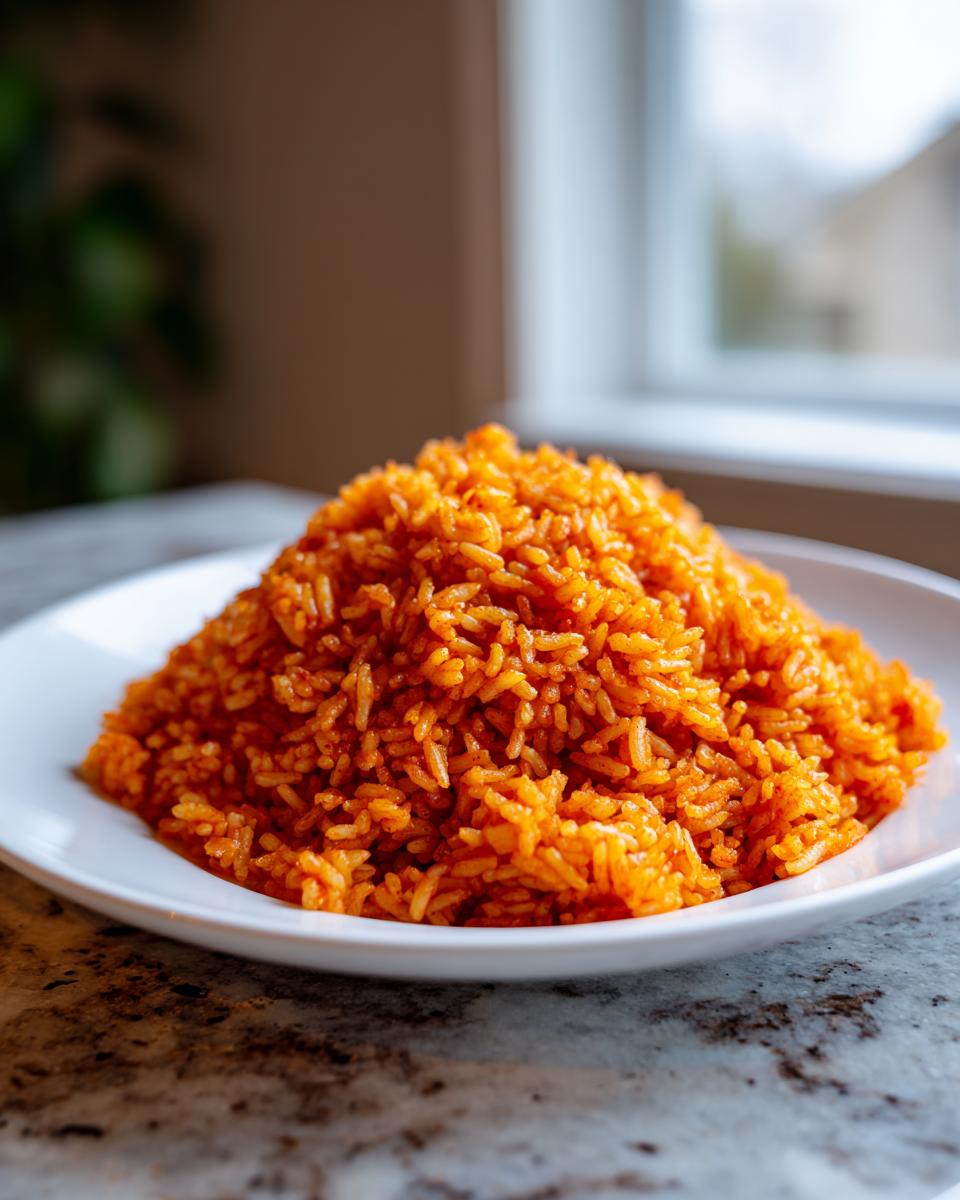
Even with the best steps, sometimes you need that little insider nudge to turn good homemade jollof rice into unforgettable Party Rice Recipe status. My biggest tip—which I learned the hard way—is about that smoky finish. You have to be brave with the bottom of the pot! Don’t stir it for the last five to ten minutes; we want that slight charring to happen underneath that sealed foil to trap all that amazing aroma. You can also find fantastic insights on nailing the authentic flavor profile over at Amazing West African Jollof Rice Classic Recipe.
If you’re feeling skeptical about the stovetop heat, I know some folks transfer the whole sealed pot into a 350°F oven for about 45 minutes instead. Totally my grandmother’s way of saying, “Let the heat do the hard work!” Either way, sealing that pot tight is the key for tender grains that make this the Best Jollof Recipe. If you want to serve something equally satisfying alongside it, you might enjoy my recipe for easy garlic naan bread. And always remember to serve this brilliant Flavored Rice Dinner with something crisp!
Serving Suggestions for Your Flavored Rice Dinner
So, you’ve nailed the jollof rice—that deep red, smoky flavor is singing! Now, what’s going on the plate next to it? Honestly, this West African Rice Dish is robust enough to stand alone, but why stop there? If you’re cooking meat, nothing beats pairing this with something crispy and slightly sweet, like perfectly fried ripe plantains. That contrast of savory rice and sweet fruit is just *chef’s kiss*.

You can keep things simple with baked chicken or stewed goat meat for a real crowd-pleaser. And remember what the info said? If you made the vegetarian version, this meal still shines paired with anything grilled or roasted—think grilled halloumi or some fantastic roasted root vegetables on the side. Use my recipe for Bruschetta Chicken if you need an easy protein centerpiece while your rice steams!
Storage and Reheating Instructions for Leftover Jollof Rice
The beautiful thing about this One Pot Rice Meal is that honestly, it often tastes even better the next day once all those spices have really settled in. That’s the magic of jollof rice!
Store any leftovers in an airtight container, but here’s my secret for reheating: never microwave it straight from the fridge. It dries out fast! Put the rice in a pot, add just a tablespoon of water or stock per cup of rice you’re heating, cover it tightly, and let it steam gently on low heat until it warms through. This brings back that perfect fluffiness we worked so hard to achieve. If you’re looking for another great make-ahead dish, check out my instructions for creamy baked spaghetti casserole!
Frequently Asked Questions About Jollof Rice
I get so many questions after people try this recipe for the first time! It’s totally normal; mastering jollof rice takes a little practice, but these answers should help you feel like a pro the next time you’re making that Spicy African Cuisine staple. I pulled these answers based on what folks constantly ask when cooking this classic version, which I think is the best, most flavorful way to make this Comfort Food Rice right at home.
Can I make Vegetarian Jollof Rice?
Absolutely, yes! Don’t let beef or chicken stock keep you from enjoying this dish. If you’re making a Vegetarian Jollof Option, just swap the stock for a really high-quality vegetable stock. If you don’t have a good vegetable stock on hand, use water, but make sure you bump up your seasonings—add an extra bouillon cube or a little more salt and curry powder to keep that savory depth we love in this Flavored Rice Dinner.
What is the difference between Nigerian Jollof Rice and Ghanaian Jollof Rice?
This is the famous debate! In general, the biggest difference people point out is the rice type. Nigerian cooks usually stick really firmly to parboiled rice because it holds its shape so well, which is why I insist on it for this recipe for perfect Jollof Rice. Ghanaian recipes often use a slightly different grain or cooking style, sometimes leading to rice that is a little softer. Also, the smoky element—that *bottom-pot char*—is often key to how some people define the Nigerian style of Party Rice Recipe.
We also cover more practical tips, like how to keep this One Pot Rice Meal from getting sticky, over at Authentic Jollof Rice Recipe At Home. If you’re trying to troubleshoot that mushy texture, check out my guide to making Easy Chili Recipe—the same principles of liquid control apply!
Nutritional Snapshot of This Flavored Rice Dinner
I always say that while we cook for flavor first, it’s great to know what’s going into your amazing jollof rice! Please remember these numbers are just estimates based on the ingredients listed here, especially since the final sodium and fat content can change based on your stock and oil usage. This is just a general idea for one serving in this bright and flavorful Flavored Rice Dinner.
- Serving Size: 1 serving
- Calories: 450
- Fat: 12g
- Carbohydrates: 75g
- Protein: 10g
- Sodium: 650mg
If you’re trying to keep things lighter on the fat, you can use a bit less oil when you start sautéing the onions. For more ideas on how to adjust meals to fit your goals, take a peek at my page on healthy lunch recipes!
Share Your Party Rice Recipe Success
Alright, now it’s your turn to bring some West African magic to your table with this Nigerian jollof rice! I really, really want to hear how it went down for you. Did you get that smoke? Did everyone ask for seconds? Head down to the comments and leave me a star rating—it helps other folks know they can trust this recipe too! And if you snapped a picture of your beautiful, vibrant Party Rice Recipe, tag me on social media. I love seeing your successes!
PrintAuthentic Nigerian Smoky Jollof Rice (One-Pot)

Make classic Nigerian Jollof Rice using this simple, one-pot stovetop method. Achieve the desired rich flavor and smoky finish for your next family dinner or party.
- Prep Time: 20 min
- Cook Time: 60 min
- Total Time: 80 min
- Yield: 6 servings 1x
- Category: Dinner
- Method: Stovetop
- Cuisine: Nigerian
- Diet: Vegetarian
Ingredients
- 3 cups long-grain parboiled rice
- 1 large onion, roughly chopped
- 4 large ripe tomatoes
- 2 red bell peppers
- 1 scotch bonnet pepper (adjust to heat preference)
- 1 inch ginger, peeled
- 4 cloves garlic
- 1/2 cup vegetable oil
- 1/4 cup tomato paste
- 4 cups chicken or beef stock
- 2 teaspoons dried thyme
- 2 bay leaves
- 1 teaspoon curry powder
- 1 teaspoon salt (or to taste)
- 1/2 teaspoon black pepper
- 1 bouillon cube (crushed)
- Foil or parchment paper for steaming
Instructions
- Prepare the pepper base: Blend the tomatoes, red bell peppers, scotch bonnet pepper, onion (half of it), ginger, and garlic until smooth.
- Sauté aromatics: Heat the vegetable oil in a large, heavy-bottomed pot or Dutch oven over medium heat. Add the remaining half of the chopped onion and cook until softened, about 3 minutes.
- Cook the tomato paste: Stir in the tomato paste and cook for 5 minutes, stirring constantly, until it darkens slightly. This deepens the flavor.
- Simmer the base: Pour the blended pepper mixture into the pot. Add thyme, bay leaves, curry powder, salt, black pepper, and the crushed bouillon cube. Bring to a simmer and cook uncovered for 15-20 minutes, stirring occasionally, until the sauce reduces and thickens. This step builds the flavor foundation.
- Add liquid and rice: Pour in the stock. Bring the mixture to a boil. Taste the liquid and adjust seasoning if needed. Wash the parboiled rice thoroughly until the water runs clear. Add the washed rice to the boiling stew base and stir well to combine.
- Steam the rice: Reduce the heat to low. Cover the pot tightly with a layer of foil or parchment paper, then place the lid on top. This traps the steam needed to cook the rice evenly and develop the smoky flavor.
- Cook undisturbed: Let the rice steam for 30-40 minutes without lifting the lid. The goal is to let the bottom layer slightly scorch (this creates the smoky taste).
- Check and fluff: After 30-40 minutes, check the rice. If it is tender, turn off the heat. If it is still hard, add 1/4 cup of water, cover tightly again, and cook for another 10 minutes.
- Serve: Remove the bay leaves. Gently fluff the rice with a fork. Serve hot with your preferred sides.
Notes
- For the smoky flavor, allow the bottom layer of rice to sit on low heat for the last 5-10 minutes without stirring. Do not let it burn completely.
- If you prefer the oven-baked method, you can transfer the covered pot to a preheated 350°F (175°C) oven for 45 minutes after adding the liquid and rice.
- Serve this West African Rice Dish with fried plantains or grilled chicken for a complete meal.
Nutrition
- Serving Size: 1 serving
- Calories: 450
- Sugar: 8
- Sodium: 650
- Fat: 12
- Saturated Fat: 2
- Unsaturated Fat: 10
- Trans Fat: 0
- Carbohydrates: 75
- Fiber: 4
- Protein: 10
- Cholesterol: 0