

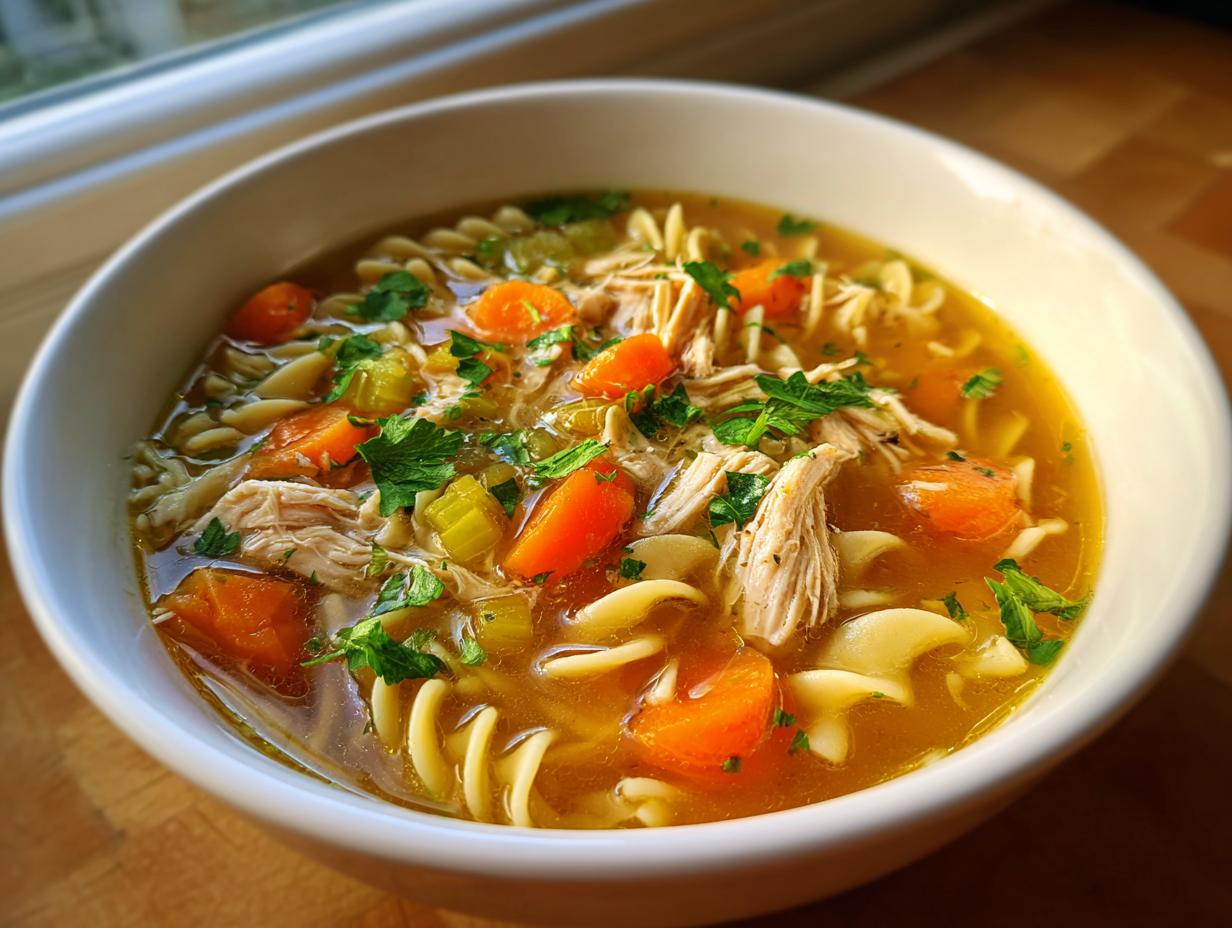
Whew! I don’t know about you, but after the big feast, the thought of another heavy meal just makes me want to hibernate. This is where we talk about pure, golden comfort: the ultimate leftover turkey soup that turns that massive bird carcass into liquid gold. I’m Zoe, and if you’ve ever looked at a pile of bones and thought, “How do I turn this into something phenomenal without hours of chef work?”—you’re in the right place. We’re ditching the intimidation factor and focusing on making the most soul-soothing turkey noodle soup imaginable. It’s easy, it’s frugal, and it tastes exactly like home, no matter how tired you feel after the holiday hustle. This is the kind of practical wisdom you hear about over at my about page. Everyone will ask for seconds.
- Why This Turkey Noodle Soup is Your Post-Thanksgiving Antidote
- Gathering Ingredients for the Best Turkey Noodle Soup
- Step-by-Step: Making Homemade Turkey Broth for Your Turkey Noodle Soup
- Assembling the Classic Turkey Noodle Soup: From Broth to Bowl
- Ingredient Notes and Substitutions for Turkey Noodle Soup
- Tips for Success When Making Turkey Noodle Soup
- Storing and Reheating Your Leftover Turkey Soup
- Frequently Asked Questions About Turkey Noodle Soup
- Serving Suggestions for Your Comforting Turkey Noodle Soup
Why This Turkey Noodle Soup is Your Post-Thanksgiving Antidote
Okay, let’s talk logistics for the next few days. You’re tired, the kitchen needs a break, but you don’t want to waste that amazing turkey flavor. This recipe is designed for that exact moment. It’s purely efficient goodness, trust me.
Here’s why this soup is your best friend right now:
- It practically cleans up your fridge! We’re using up every bit of that leftover turkey meat and, more importantly, the carcass.
- It’s entirely soothing. After all that rich, heavy food, a clean, brothy soup feels like a warm hug for your stomach.
- It’s incredibly frugal. Making your own stock means boosting flavor dramatically for almost no extra cost.
- It’s mostly hands-off resting time. Once the stock simmers, you can just put your feet up until it’s time to finish cooking. Very low effort for huge comfort payoff.
Gathering Ingredients for the Best Turkey Noodle Soup
Alright, let’s get down to brass tacks. The magic in this bowl of goodness really starts before you even turn the stove on. When I talk about building flavor, I mean getting every last drop of savory goodness out of that turkey. That carcass you’re staring at in the trash bag? That’s our treasure chest for making truly stunning homemade turkey broth.
Don’t worry if you don’t have a carcass or are short on time; I have notes later for using good quality store-bought broth. But if you have the bones, use them! It takes your standard soup and elevates it instantly. Here’s what you need to pull together this ultimate post-Thanksgiving soup.
For the Homemade Turkey Broth and Soup Base
This is what goes into the pot first. Be precise here so your ratios for the broth turn out perfectly balanced. You want savory, not salty!
- 1 turkey carcass or 3 cups leftover cooked turkey meat, shredded (We’ll separate these roles later!)
- 12 cups water (Yes, that’s a lot, but it’s what we need for volume.)
- 2 large carrots, chopped
- 2 celery stalks, chopped
- 1 large onion, chopped
- 2 bay leaves
- 1 teaspoon dried thyme
- 1/2 teaspoon black peppercorns
- 1 tablespoon salt, or to taste
For the Hearty Finish of Your Turkey Noodle Soup
Once our base broth is perfected, we bring in the main stars. This is where it truly becomes a filling meal, not just a broth.
- 12 ounces egg noodles (The classic choice! They fluff up just right.)
- 2 tablespoons fresh parsley, chopped (for garnish—don’t skip the fresh green pop at the end!)
Step-by-Step: Making Homemade Turkey Broth for Your Turkey Noodle Soup
This initial stage is where we pull all that glorious, roasted flavor right out of the bones. Don’t feel rushed here; the time we spend simmering is what skips us past needing any fancy flavor enhancers later on. When I worked in the restaurant kitchen, we learned that time is the best seasoning you can add, especially when making homemade turkey broth.
First things first: grab that big stockpot. Dump in your turkey carcass—or just the bones if you pulled the meat off yesterday—along with the water, your chopped carrots, celery, onion, and all those lovely little flavor bombs like the bay leaves, thyme, and those black peppercorns. Get it over high heat and bring it up to a good, rolling boil. But as soon as it starts bubbling like crazy, you need to cut the heat right down. We’re aiming for a gentle, slow simmer.
Once it’s gently simmering, cover the pot just a bit—leave a small crack open so steam can escape. Now, set a timer for 2 to 3 hours. This long stretch is crucial for dissolving all that gelatin and richness. Keep an eye on it for the first half hour, though. You will see foam or scum floating to the top, and you should use a spoon to skim that off. It sounds gross, but removing it keeps your final broth crystal clear and beautifully clean-tasting. Patience is absolutely key here!
Assembling the Classic Turkey Noodle Soup: From Broth to Bowl
Okay, your broth has simmered, it smelled amazing for three hours, and now we have to rescue the good stuff! Take the big pot off the heat and carefully remove that turkey carcass—it’s done its job perfectly. Now, you need to strain that liquid gold. I use a big bowl and a fine-mesh sieve, making sure to catch every little speck. You should end up with a beautiful, clear stock, maybe 8 to 10 cups of it. If you were lucky and there was some usable meat stuck to the bones, shred that now and toss it right back into the clean pot with your broth. Don’t forget to add in that glorious shredded meat you saved from dinner!
Bring that pot of broth and meat back up to a gentle simmer. This is where we customize the flavor. Add your salt now—taste as you go! Next up are the egg noodles. Don’t dump them in all at once, stir them gently so they don’t clump up into one giant carb-blob. Remember, these cook fast, usually 6 to 8 minutes, aiming for tender but not mushy. We don’t want instant noodles here, we want that hearty, satisfying texture that defines a great turkey noodle soup.
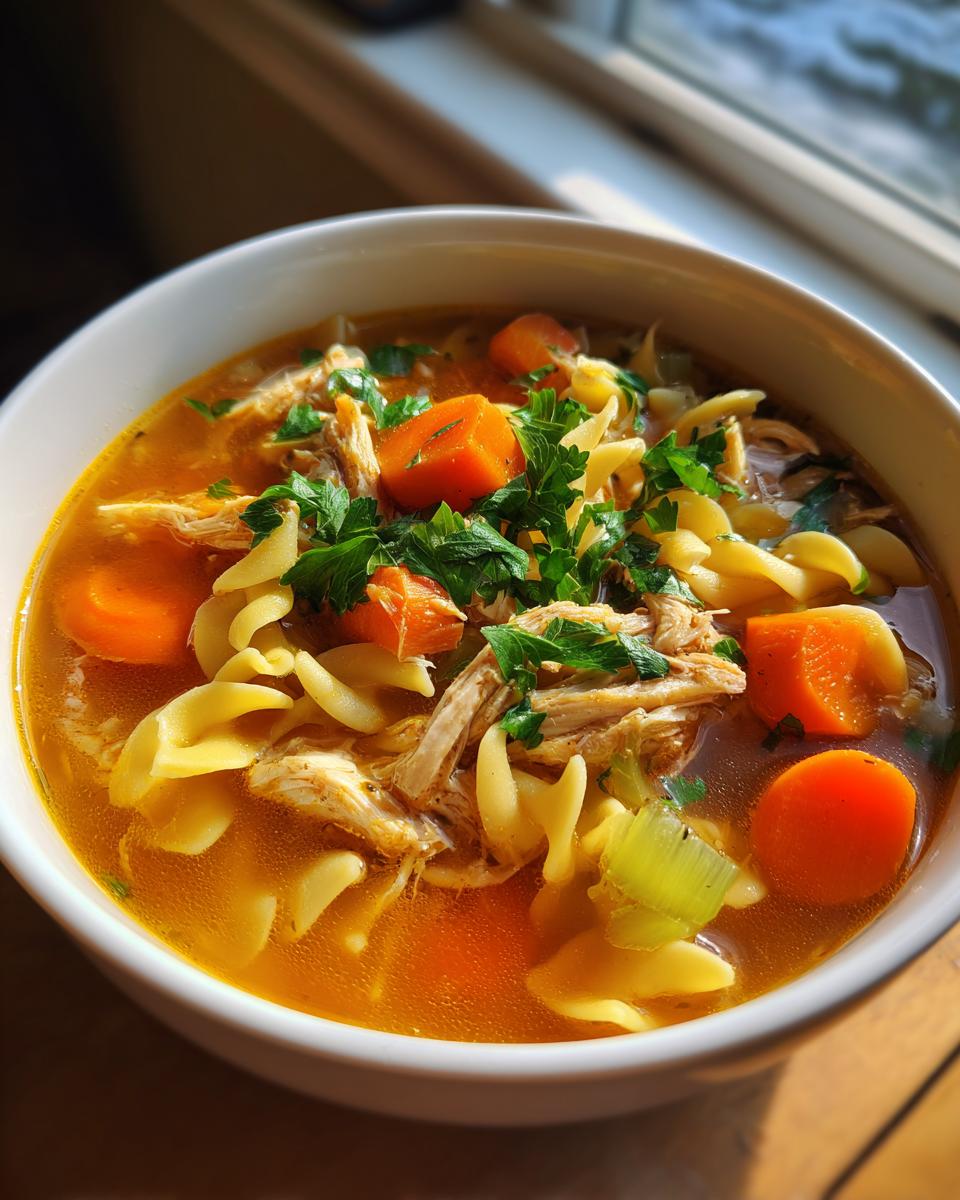
Before you serve anything, stop! Find those two bay leaves you dropped in at the start. They’ve infused enough flavor; take them out now before someone takes a bite and wonders what that weird, leathery thing is. Ladle it up steaming hot, sprinkle some fresh parsley over the top for color, and enjoy the easiest, coziest meal you’ll make all holiday week.
Pro Tip for Richer Homemade Turkey Broth Flavor
I know you just finished roasting a huge turkey, so the last thing you want to do is turn the oven on again, but if you have 20 minutes to spare before you start the 3-hour simmer, I highly recommend it. One of my favorite little secrets, pulled straight from the professional world, is to briefly roast the carcass again before you pour the water over it. Just pop it into a hot oven for about 20 minutes until it starts to get a few dark brown spots. That extra browning intensifies the flavor compounds, giving you an even deeper, richer brown color and a more robust profile in your finished homemade turkey broth before you even start the slow cook!
Ingredient Notes and Substitutions for Turkey Noodle Soup
I always want you to be able to make this, even if your pantry isn’t perfectly stocked on a random Tuesday, or if you didn’t save the carcass—which is totally fine! Sometimes you just need a quick fix, and that’s where knowing your swaps comes in handy. We’re talking about turning this into a go-to recipe, not just a holiday exclusive, so flexibility is key.
Let’s tackle the two main variables: the broth and the noodles. Don’t sweat it if you’re missing the star foundation. If you skipped the 3-hour slow simmer because time was precious, grab about 10 cups of really good, low-sodium store-bought chicken broth. Chicken works beautifully here, honestly. Just make sure it tastes good on its own before you dump it in the pot! The main difference is you’ll miss that specific, deep roasted turkey note, but you’ll still get a fantastic, healthy soup.
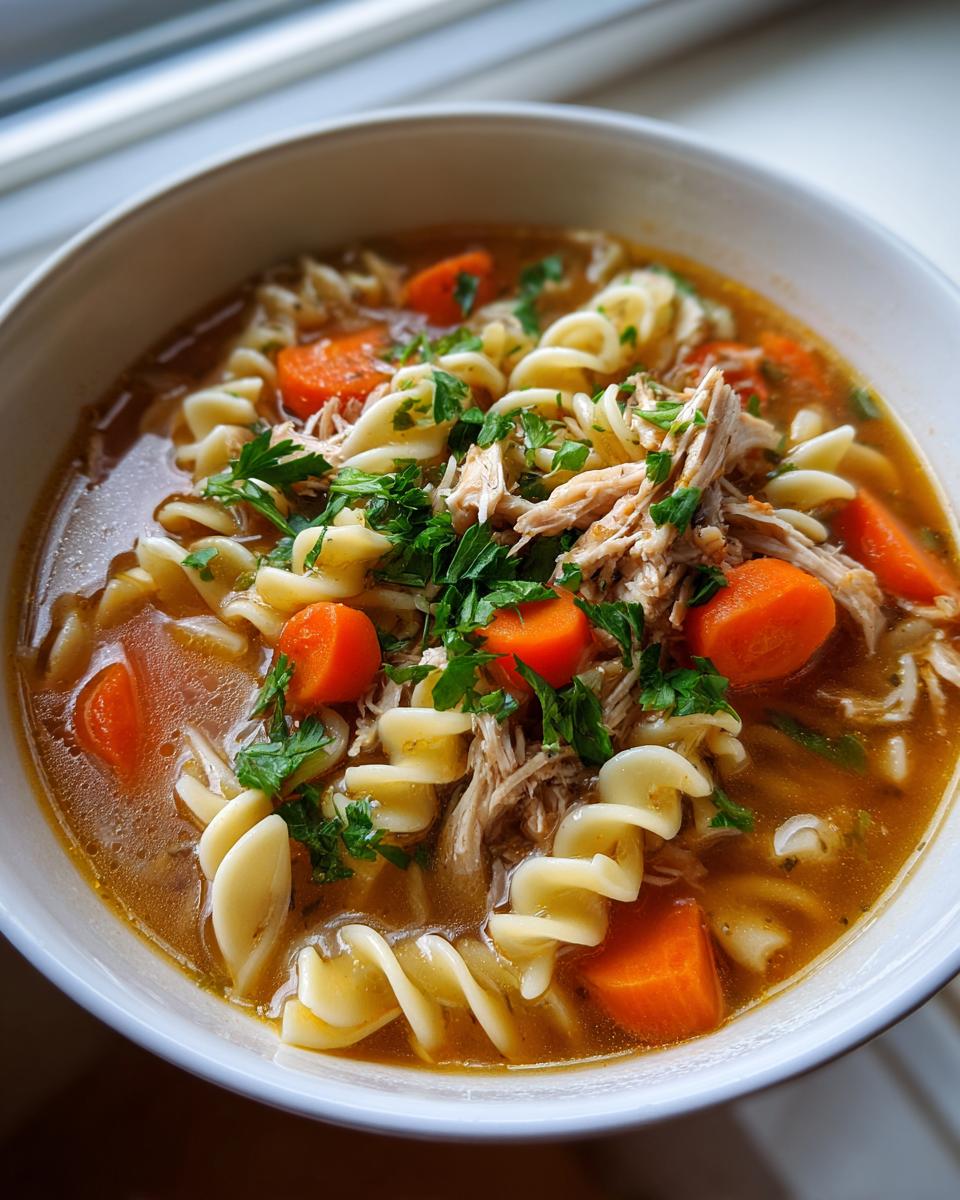
Now, about those noodles. Egg noodles are my absolute favorite for this because they get that perfect soft, slightly chewy texture that just begs for crusty bread dipping. However, if you’re out of them, don’t panic! Rotini pasta, small shells, or even wide curly pasta work perfectly fine. The important thing is to remember that pasta continues to absorb liquid even after you take it off the heat. So, cook your noodles exactly how the package says, maybe even pull them out 30 seconds early.
If you plan on having leftovers for lunch the next day, here’s a huge tip from my kitchen to yours: cook the noodles separately in plain salted water, drain them, and then just mix the cooked noodles into the soup right before you serve each bowl. If you leave them soaking in the broth overnight, they’ll turn into a soft, gummy mess when you reheat it. Nobody wants that!
Tips for Success When Making Turkey Noodle Soup
You’ve got the flavor base, you’ve got the texture sorted, but making soup is all about timing and seasoning adjustments right at the end. This is the final polish that takes your simple turkey noodle soup from good to memorable. Since we’re aiming for that ultimate soothing winter soup vibe, we want every element singing clearly!
My number one piece of advice for any noodle or pasta in soup? Don’t rush the timing, but don’t drown them either. Noodles continue to soak up broth as they sit—seriously, I’ve made this mistake more times than I care to admit! When they seem *just* done when you taste them, pull the pot off the heat immediately. If you’re serving a big crowd or plan on having leftovers, you really want to follow my earlier advice: cook those egg noodles separately. You’ll add a small amount of cooked noodles into each bowl, then ladle the hot broth, meat, and veggies over the top. This keeps every bowl perfectly plump without turning tomorrow’s lunch into a brick of soggy pasta.
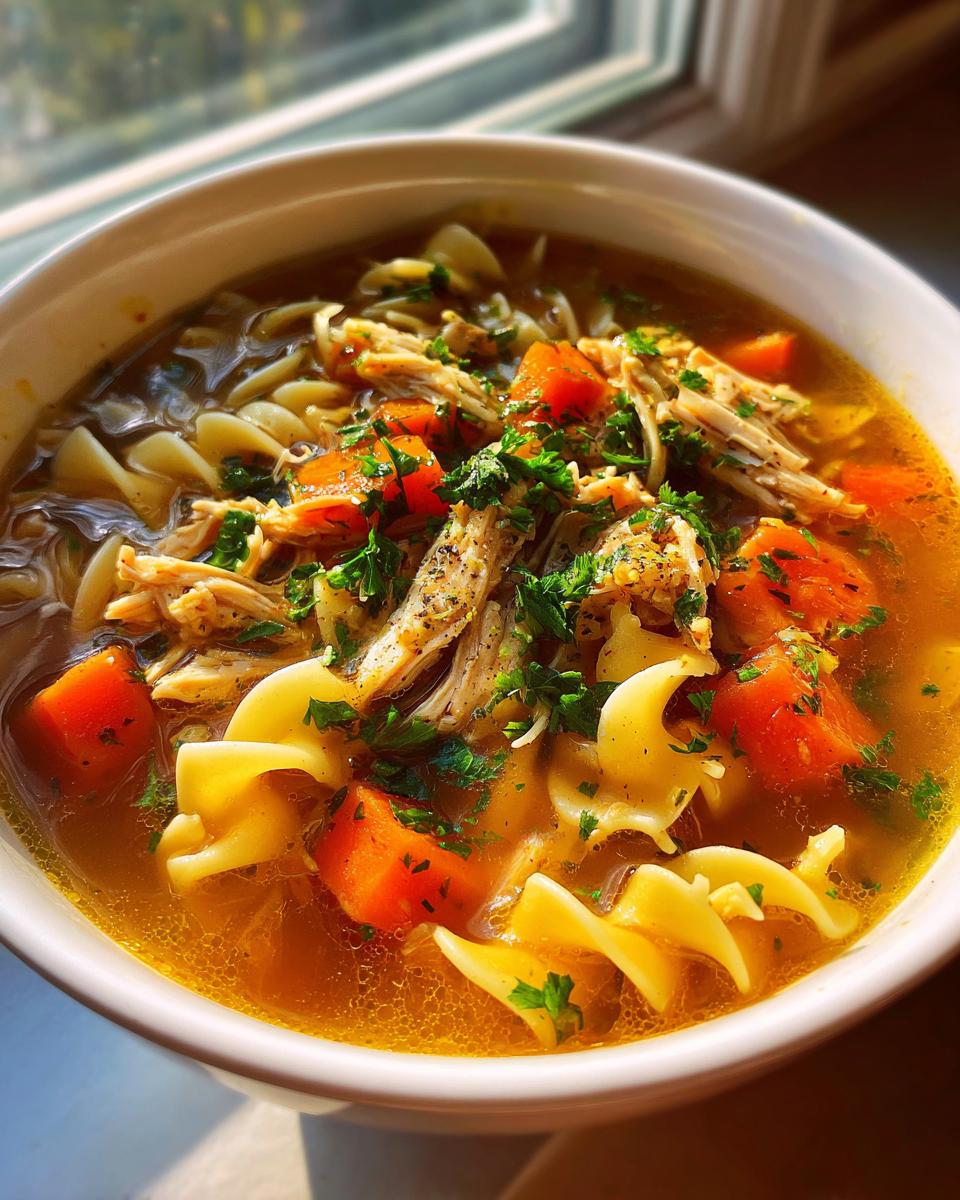
Next up is saltiness, which is so tricky when you’re making stock from scratch. That 1 tablespoon I listed is only a starting point because the saltiness of your carcass and the natural sodium in your water can vary wildly. Always, always taste the broth *before* you add the noodles. If it tastes a little flat, add a pinch of salt, stir, and taste again. If it seems perfect, hold off on adding more once the noodles go in, as they will absorb some of the saltiness along with the liquid.
Also, remember that second note about roasting? If you didn’t roast the carcass, your broth might look a little pale. That’s fine! The flavor is what matters. If you want that deeper color, you can always brown the vegetables slightly in a tablespoon of olive oil before you add the water—just a quick sauté to take the raw edge off the carrots and onions elevates the final shade nicely. It’s all about small tricks to build confidence!
Storing and Reheating Your Leftover Turkey Soup
See? I told you this soup was the perfect leftover turkey soup plan. You made a massive pot because you know you’ll want it for lunch tomorrow, right? The only part that sometimes struggles with overnight storage is those beautiful egg noodles. They are thirsty little things, aren’t they?
If you know you’re going to have soup that sits for more than 24 hours, here’s the trick I use to keep everything tasting fresh and perfect: Store the broth, the shredded turkey, and the veggies all in one airtight container. Then, cook the egg noodles separately, just like I mentioned before. Keep those cooked noodles in a totally different container in the fridge.
When you’re ready to eat the next day, just scoop the amount of chilled broth/meat/veggies you want into a saucepan or microwave-safe bowl. Heat your broth mixture until it’s steaming hot, and *then* add in just enough of those pre-cooked noodles for that serving. This stops them from ballooning up and tasting mushy when you go to reheat the second or third batch later in the week. Nobody wants soup that’s more like a thick turkey casserole the next day!
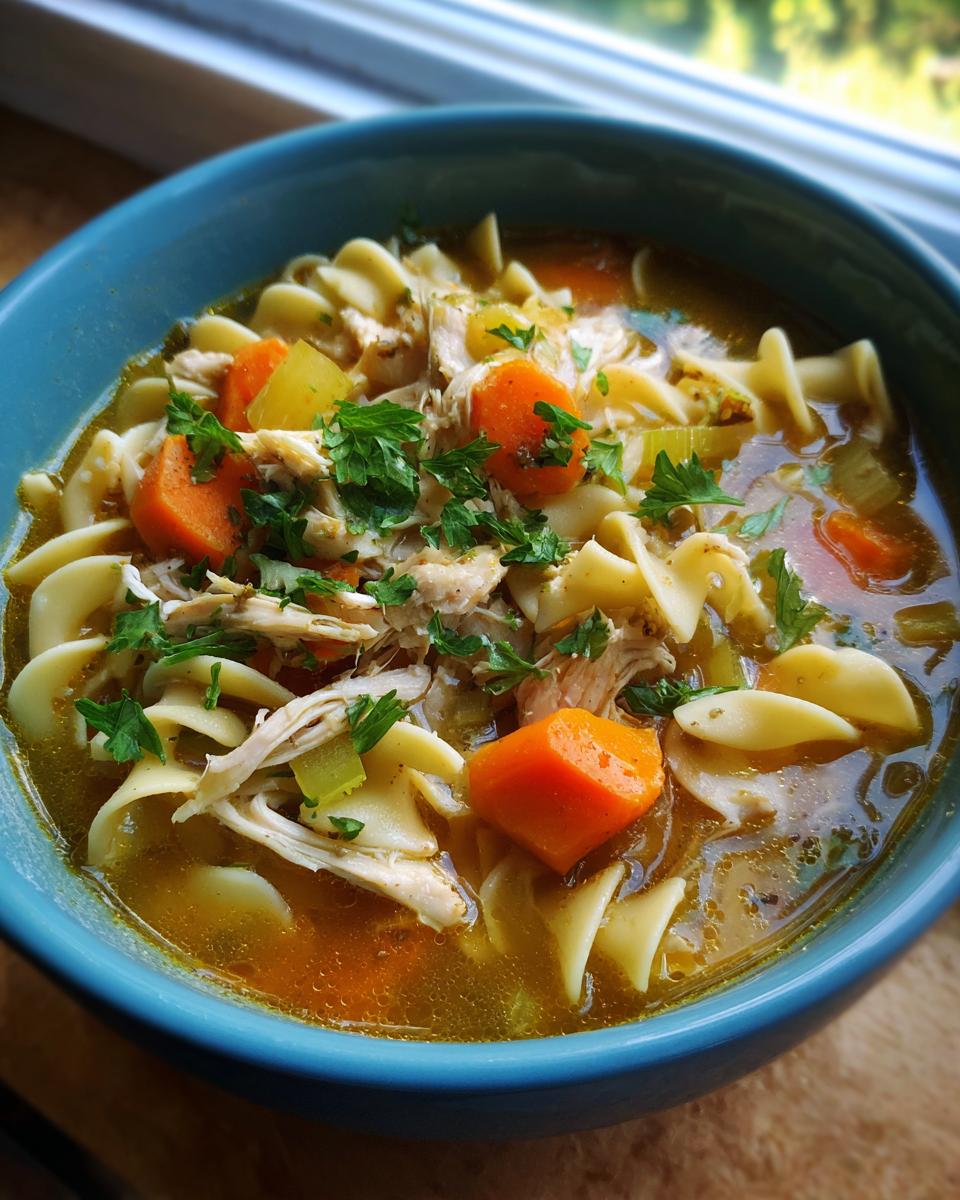
For reheating on the stovetop, medium heat is your friend. Stir frequently so the turkey meat doesn’t stick to the bottom of the pot. If you’re using the microwave—and let’s be honest, sometimes we are—use short bursts and stir between each burst. This prevents you from creating hot spots that can sometimes destroy the delicate texture of broth-based soups. Remember, you’re just warming it up, not bringing it back up to a hard boil. Keep it low, keep it slow, and you’ll have that amazing leftover turkey soup fresh tasting again in minutes!
Frequently Asked Questions About Turkey Noodle Soup
I know sometimes you just need a quick confirmation or a simple workaround, especially when you’re still recovering from serving 30 relatives! Here are a few things I hear people ask all the time when they’re trying to perfect their leftover turkey soup.
Can I use store-bought broth instead of making homemade turkey broth?
Absolutely, yes! Look, sometimes life just doesn’t allow for a three-hour simmer, and that is totally okay. If you skip the long cook time using the carcass, you can jump right into the veggie sautéing phase using about 10 cups of store-bought broth. Just make sure you select a good quality, low-sodium chicken or turkey broth. If you use a broth that’s already too salty, you won’t be able to adjust the seasoning properly later on. It won’t have that deep, roasted flavor we love from the homemade turkey broth, but it will still be a wonderfully comforting meal!
If I don’t have a carcass, how can I make this post-Thanksgiving soup richer?
That’s a great question, because we all want that deep, savory depth. If you’re just using pre-cooked meat and store-bought broth, you need to boost the flavor fast. My favorite way to compensate for missing the turkey carcass soup base is by concentrating the vegetables. Sauté your chopped carrots, celery, and onion in a tablespoon of butter until they start to get some color on them—not just sweating, but actually browning slightly. This caramelization brings out a ton of natural sweetness and depth that mimics that long-simmered flavor. A dash of Worcestershire sauce or a splash of white wine added while sautéing the veggies also does wonders for richness!
How long does the homemade turkey broth last safely in the fridge?
When you make stock like this, it’s important to handle it safely, especially since this is your ultimate soothing winter soup! After you’ve strained your broth, let it cool down completely before you cover it and put it in the fridge. If you simmered it for three hours, it should last safely for about 4 to 5 days in the refrigerator. If you know you won’t finish it within that time, you absolutely must freeze it. Pour the cooled broth into freezer-safe containers or zipper bags, leaving about an inch of space at the top for expansion. Frozen broth is perfect for pulling out any time you need a quick, flavor-packed base for future soups or gravies!
Do I have to use egg noodles?
Nope! While egg noodles are the traditional choice because they cook up so wonderfully soft and slightly chewy, they are far from mandatory. If you’re rationing your Thanksgiving ingredients or just prefer something different, feel free to use whatever small cut of pasta you have on hand. Small shells, rotini, or even ditalini pasta works. Just remember my rule: taste them right before you pull them off the heat, because if you let them sit in the hot liquid for too long, they’ll turn into sticky little gummy bears overnight.
Serving Suggestions for Your Comforting Turkey Noodle Soup
So you’ve done the job! The broth is perfect, the turkey is shredded beautifully, and that turkey noodle soup is steaming hot in the bowl. Now comes the best part: deciding what perfect companion you want to dunk into those savory depths. Because this soup is lighter and more broth-focused after all that heavy holiday food, we don’t need anything too fussy on the side.
When I think about bringing this soup to the table, my mind immediately goes to texture contrast. You need something sturdy to sop up every last drop of that homemade broth. Forget soft rolls; we are going straight for hearty and crusty!
- Crusty Bread is Non-Negotiable: Seriously though, nothing beats a thick slice of French bread or a rustic sourdough, toasted maybe with just a tiny smear of good butter. Tear off a piece and let it soak up the residual broth at the bottom of the bowl. It’s the ultimate comfort move.
- A Dash of Brightness: If you want a little freshness to cut through the richness of using up the leftover turkey, a very simple, lightly dressed side salad is excellent. Think mixed greens, maybe a few thin slices of radish or cucumber, dressed with nothing more than lemon juice, olive oil, salt, and pepper. It wakes up your palate!
- Savory Toppings (Beyond Parsley): While fresh parsley is mandatory for that final pop of color, don’t forget what else lives on your spice rack. A tiny grating of fresh black pepper right on top, or even a light dusting of dried dill, can instantly change the flavor profile in a lovely way.
This soup doesn’t demand a massive side dish. It just asks for something simple to scoop it up with. Keep it easy, since the hardest work (making the stock) is already done!
PrintComforting Leftover Turkey Noodle Soup

Make a hearty, brothy soup using your leftover turkey and carcass for a simple, soothing meal.
- Prep Time: 20 min
- Cook Time: 3 hr 30 min
- Total Time: 3 hr 50 min
- Yield: 8 servings 1x
- Category: Soup
- Method: Stovetop Simmering
- Cuisine: American
- Diet: Low Fat
Ingredients
- 1 turkey carcass or 3 cups leftover cooked turkey meat, shredded
- 12 cups water
- 2 large carrots, chopped
- 2 celery stalks, chopped
- 1 large onion, chopped
- 2 bay leaves
- 1 teaspoon dried thyme
- 1/2 teaspoon black peppercorns
- 1 tablespoon salt, or to taste
- 12 ounces egg noodles
- 2 tablespoons fresh parsley, chopped (for garnish)
Instructions
- Place the turkey carcass (if using) or bones, water, carrots, celery, onion, bay leaves, thyme, and peppercorns into a large stockpot.
- Bring the mixture to a boil over high heat, then immediately reduce heat to low, cover partially, and simmer for 2 to 3 hours to make homemade turkey broth. Skim off any foam that rises to the surface during the first 30 minutes.
- Remove the carcass and strain the broth through a fine-mesh sieve into a clean pot. Discard the solids. You should have about 8 to 10 cups of broth.
- If you used a carcass, shred any usable meat from it and add it back to the broth along with the pre-cooked leftover turkey meat.
- Bring the broth back to a simmer. Add salt to taste.
- Add the egg noodles to the simmering broth and cook according to package directions, usually 6 to 8 minutes, until tender.
- Remove the bay leaves before serving.
- Ladle the soup into bowls and garnish with fresh parsley. Serve hot with crusty bread.
Notes
- If you skip making the stock and only use pre-made broth, you can skip the 3-hour simmer time and proceed directly to adding the vegetables and noodles.
- For a richer flavor, roast the carcass briefly before simmering.
- This recipe is a great way to use up every bit of your holiday bird.
Nutrition
- Serving Size: 1.5 cups
- Calories: 350
- Sugar: 4
- Sodium: 550
- Fat: 10
- Saturated Fat: 3
- Unsaturated Fat: 7
- Trans Fat: 0
- Carbohydrates: 40
- Fiber: 3
- Protein: 28
- Cholesterol: 75