

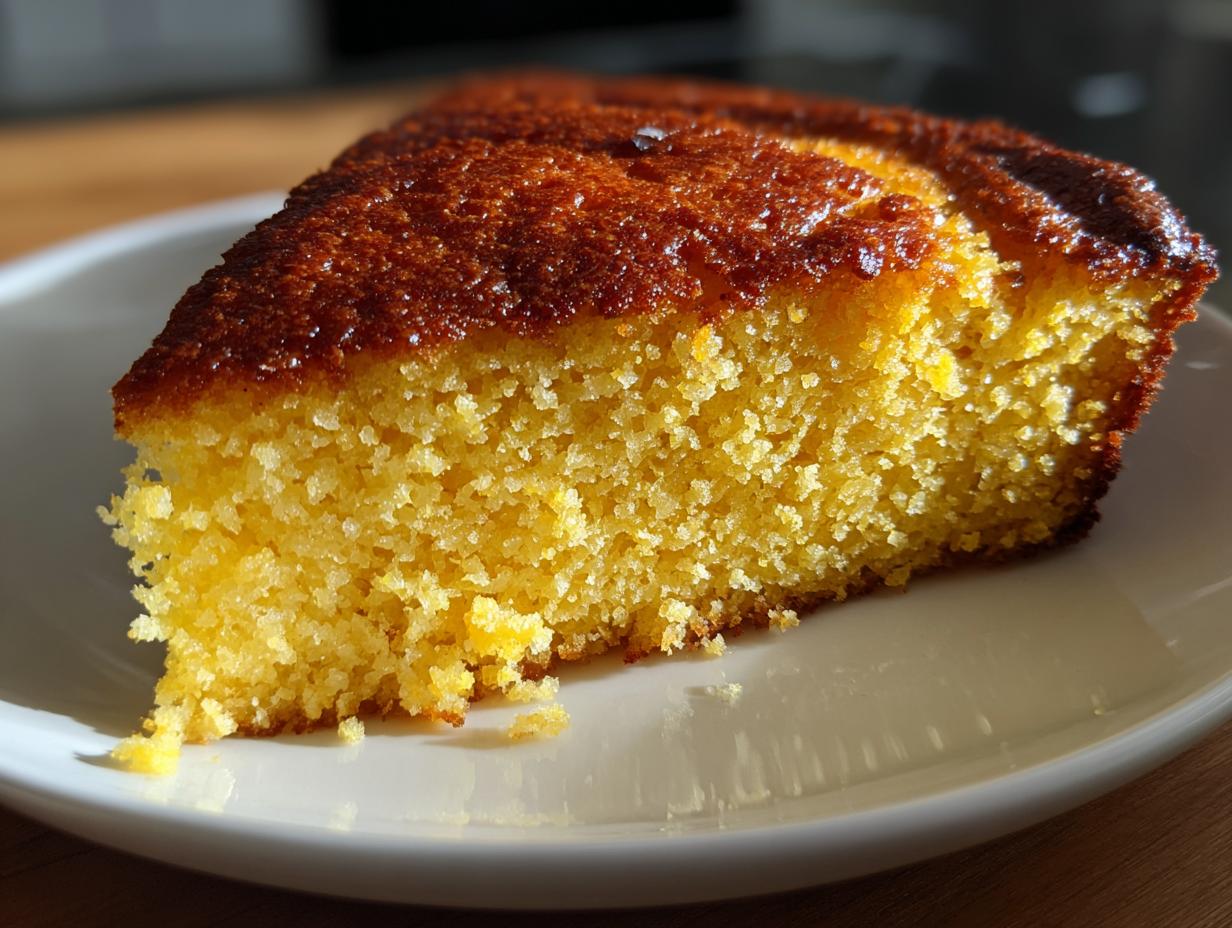
If there is one thing I learned chopping vegetables until 2 AM in a professional kitchen, it’s that texture is everything. You want that incredible contrast, right? That golden, shatteringly crisp exterior hugging a center that dissolves on your tongue? When we talk about achieving that perfect bite in bread, we immediately talk about the vessel you use, and that vessel has to be cast iron. Trust me, this Classic Crispy Skillet Cornbread isn’t just some quick bread recipe slapped together; it’s using the lingo of the pros to get that signature Southern crispy edge without sacrificing a single bit of that moist, tender interior. If you’re serving this alongside a hearty bowl of chili—maybe our famous easy chili recipe—this is the only way you should be making it.
- Why This Classic Skillet Cornbread Recipe Works
- Ingredients for the Best Skillet Cornbread
- How to Prepare Your Classic Skillet Cornbread
- Tips for Perfect Old Fashioned Cornbread Success
- Serving Suggestions for Your Skillet Cornbread
- Storage and Reheating for Leftover Skillet Cornbread
- Frequently Asked Questions About Skillet Cornbread
- Recipe Details and Quick Facts
- Estimated Nutritional Information for This Skillet Cornbread
- Share Your Cast Iron Cornbread Results
Why This Classic Skillet Cornbread Recipe Works
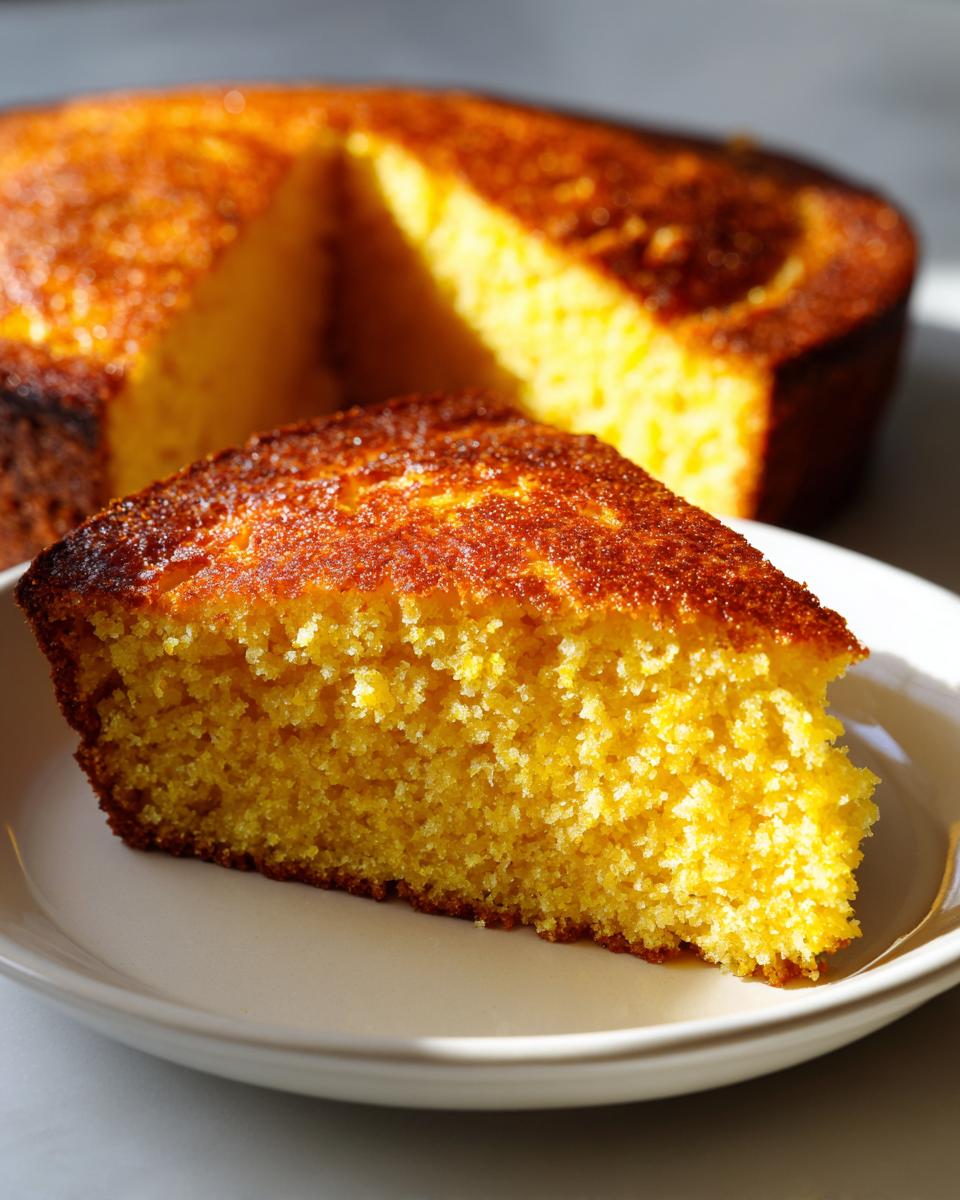
Listen, any recipe can tell you to mix flour and meal. But what separates good Cast Iron Cornbread Recipe from just okay is understanding the heat transfer. Our goal here, the one that’s going to make you feel like a culinary wizard, is that shatteringly crisp exterior hugging a center that dissolves on your tongue? That doesn’t happen by accident; it happens by applying core chef knowledge to things we bake every day. Forget recipes that give you that pale, cakey result. If you’re looking for the kind of Crispy Edges Cornbread that makes people moan with happiness over a side dish, you have to respect the iron. If you want to know how to truly use cornbread in another dish, check out my guide on easy cornbread stuffing.
The Secret to Perfect Crispy Edges Cornbread
Here’s the lingo: we are creating a flash-fry effect on the batter, which is why preheating the skillet is non-negotiable. You need the oven at 400°F, and you need that cast iron in there heating up for a good twenty minutes while you mix everything else. Then, we drop the butter—or bacon grease, if you’re feeling extra Southern—into the screaming hot pan. When that batter hits those sizzlin’ hot fats, it sets instantly, giving you that signature crunchy crust. It’s pure science, but it tastes like magic.
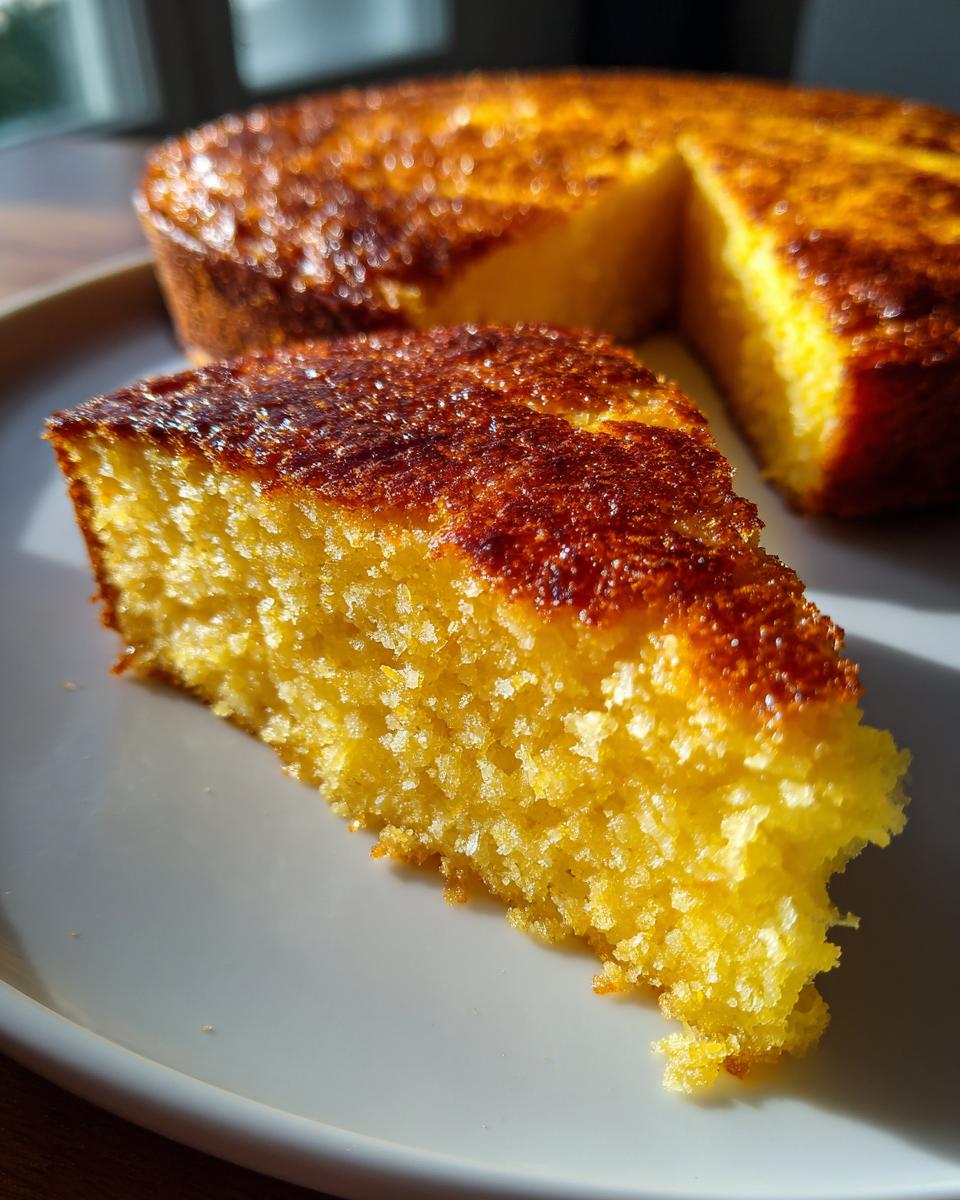
Achieving a Moist Interior with Buttermilk Cornbread
Crispy outside, yes, but we don’t want dry sawdust inside! That moisture comes largely from using real buttermilk. Buttermilk is acidic, and that acidity works wonders breaking down the gluten in the flour just enough. This is key for that tender, fluffy texture you see in a great Moist Cornbread Tutorial. Plus, the pairing of the buttermilk with the cornmeal gives this bread that deep, traditional tang that folks expect from Southern Style Cornbread. You just can’t fake that flavor depth easily.
Ingredients for the Best Skillet Cornbread
When you’re working with classic recipes like this, the quality and separation of your ingredients really matter. This isn’t the place to eyeball things, especially since we’re going for that perfect balance between savory and just a hint of sweetness. If you’re looking to explore other savory sides, my recipe for savory corn pudding is another winner.
Ingredient List Breakdown
- 1 cup yellow cornmeal
- 1 cup all-purpose flour
- 1 tablespoon baking powder
- 1 teaspoon salt
- 1/4 cup granulated sugar (I leave this out when I want strictly savory Southern Style Cornbread, but it adds a nice caramelized edge if you prefer a touch of sweetness!)
- 1 cup buttermilk
- 1/2 cup milk
- 2 large eggs
- 1/4 cup unsalted butter, melted (this goes into the batter), plus 2 tablespoons set aside for the skillet (this must be separated—don’t mix them up!)
How to Prepare Your Classic Skillet Cornbread
Okay, now we get to the action. Making great skillet cornbread doesn’t take hours, but it does require us to follow the heat rules of the cast iron. The timing here is everything, especially when we are aiming for that perfect crust. If you’re looking for other simple baking projects, check out how I make my flaky buttermilk biscuits.
Preheating and Preparing the Cast Iron Skillet Cornbread Vessel
Seriously, this part is not just suggestion, it’s the law of the land for getting those fantastic edges! First up, you need to get your oven to 400°F, but critically, you must place your 10-inch cast iron skillet inside while it preheats. We want that iron ripping hot! Once the oven is ready, you have to work fast. Pull the skillet out with serious oven mitts—it will be smoking hot—and immediately swirl those two reserved tablespoons of butter around. You want it sizzling right away. That immediate sizzle tells you the pan is ready to make your Crispy Edges Cornbread.
Mixing the Batter and Baking Instructions
Once your fat is sizzling, pour the batter in quickly. Remember what I’ve drilled into you: do not overmix the wet and dry ingredients! A couple of lumps are your friends; they keep the crumb soft and moist. Pop the whole hot skillet right back into the 400°F oven. You’re looking at about 20 to 25 minutes for this, depending on your oven’s quirks. It’s done when the top is golden brown all over and that toothpick test comes back clean. That’s it! We just nailed some Quick Cornbread Baking.
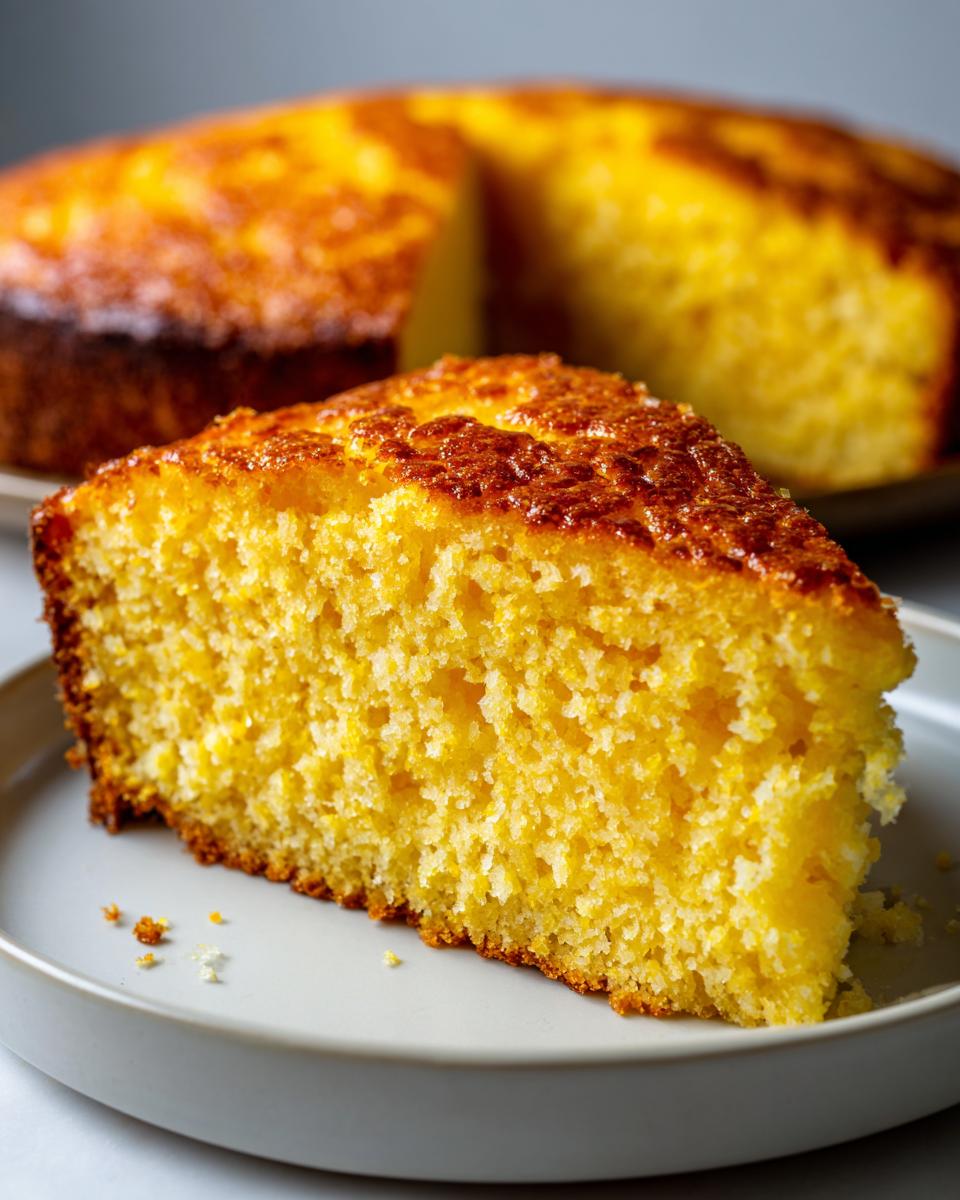
Tips for Perfect Old Fashioned Cornbread Success
We’re aiming for true Old Fashioned Cornbread here, the kind that tastes like it came straight from someone’s seasoned cast iron pot. A lot of people skip the little details in the notes because they think they know best, but trust me, these small translations from pro kitchens really step up your game when Baking in Cast Iron. If you want some tips on making other crunchy baked goods, check out my favorite way to make homemade granola recipe.
Buttermilk Substitutions for Your Skillet Cornbread
Okay, so maybe you’re staring into the fridge and realized you’re out of buttermilk—it happens! Don’t panic and run to the store. Here’s the easy hack: take a regular cup of milk, add one teaspoon of white vinegar or lemon juice, and just let it sit there for about five minutes. It curdles slightly, and boom, you’ve made your own quick buttermilk substitute. It works totally fine for this recipe!
Savory Cornbread Variations Using Bacon Grease
If you want to skip the optional sugar and go full down-home savory, you absolutely need to swap that butter for rendered bacon grease in the hot skillet. Seriously, use a good, clean 1/4 cup of grease instead of the butter we used in Step 5. That fat melts and coats the pan in this rich, slightly salty texture that defines true Southern Style Cornbread. It makes the crust unforgettable.
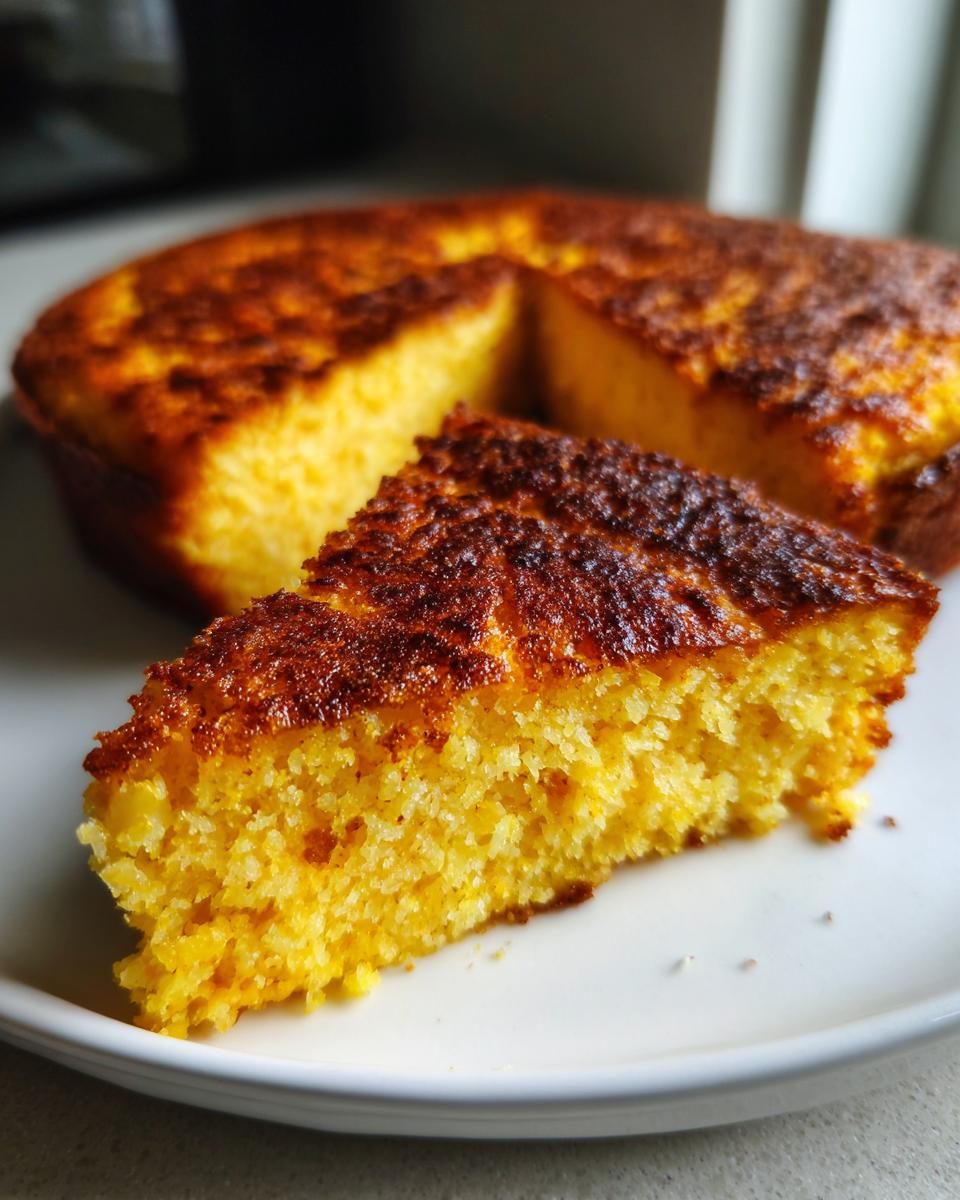
Serving Suggestions for Your Skillet Cornbread
This skillet cornbread is built to be a star side dish, not just a boring background element. It’s what I like to call peak Comfort Food Side Dishes! It screams for something hearty that it can soak up, you know? Think about serving it straight out of that screaming-hot pan, letting everyone dig in right there on the table. It’s rustic, it’s easy, and it makes the whole meal feel instantly warmer. I love pairing this with anything slow-cooked, especially how well it goes with Southern classic black-eyed peas.
Pairing This Easy Skillet Bread
You absolutely need to pair this with a big pot of homemade chili—check out my recipe for the best easy chili recipe! It’s also perfect next to slow-cooked pulled pork or smothered chicken. If the cornbread leans savory (no sugar added), a little drizzle of local honey right before serving adds that amazing sweet-savory counterpoint that people lose their minds over.
Storage and Reheating for Leftover Skillet Cornbread
Don’t let any leftover homemade cornbread go stale! Once it’s completely cool, wrap it up really tightly in plastic wrap or foil, and it’ll keep fine on the counter for about two days. If you’re worried about it lasting longer, the fridge is okay, but honestly, fridge cornbread gets a little dense. If you want to bring back that glorious crust we worked so hard for, don’t microwave it!
The trick is to return it to the hot environment. You can reheat individual slices directly on a sheet pan in a 350°F oven for maybe 5 to 7 minutes. That dry heat crisps the edges right back up. Or, if you still have a hot oven going from dinner, just put the whole wedge back in its cast iron skillet for 10 minutes. It’ll taste like you just pulled it out of the oven the first time. If you want ideas on reviving other leftovers, look at my recipe for crispy leftover mashed potato cakes.
Frequently Asked Questions About Skillet Cornbread
Okay, you’ve got the method down, but sometimes questions pop up when you’re standing there with your bowl of ingredients. That’s totally normal! I’ve gathered the questions I get asked most often about getting this homemade cornbread recipe absolutely perfect, especially concerning texture and equipment. If you want to try making a different moist baked good, take a look at my easy, moist fruitcake.
Can I use regular milk instead of buttermilk in this skillet cornbread recipe?
You certainly can in a pinch, but I need to be honest: buttermilk is what gives you that truly superior crumb for the results you see here! If you use regular milk, you lose some of that necessary acidity that helps tenderize the flour, so you won’t nail that ideal texture in a traditional Moist Cornbread Tutorial by accident. If you must swap, go whip up that quick substitute I told you about earlier—it’s way better than plain milk.
What if I don’t have a cast iron skillet? Can I use another pan?
You *can* use another pan, sure, but let’s talk reality: you won’t get those famous results. The whole trick to Crispy Edges Cornbread is the way cast iron holds and radiates intense heat straight up through the batter. If you don’t have one, use a heavy 9-inch metal cake pan. Preheat the pan with the fat just like we do, but understand that the thickness of metal pans won’t give you that same deeply browned, shattering crust we get with true cast iron.
How do I make this a Jalapeno Cheddar Skillet Cornbread?
That’s a fantastic idea for kicking things up! To turn this into a spicy, cheesy version, just before you pour the wet ingredients into the dry, stir in about a cup of sharp shredded cheddar cheese and half a cup of diced pickled jalapenos (drained well, please!). They fold right into the batter and bake up beautifully. It definitely keeps this a great option for a spicy Southern Style Cornbread!
Recipe Details and Quick Facts
Sometimes you just need the numbers so you can plan your dinner around this skillet cornbread. Cooking shouldn’t feel like advanced math, so here is the quick scan breakdown for this recipe. We’re keeping it fast because, frankly, this is the perfect last-minute addition to any meal, especially if you’re whipping up those easy weeknight dinners.
- Prep Time: 10 min
- Cook Time: 25 min
- Total Time: 35 min
- Yield: 8 servings
- Category: Side Dish
- Method: Baking
- Cuisine: American
Estimated Nutritional Information for This Skillet Cornbread
When we talk about homemade cornbread, people often want to know what they’re really eating, right? Since we used whole ingredients and the recipe is designed to be easily adaptable—especially if you skip that optional sugar—these numbers are just a baseline. I always tell people to think of this as a guide, not gospel, because whether you splash it with honey or go for that savory bacon grease finish will shift things a little. This batch is easy to calculate for our needs, but remember, the final result depends on your specific butter and sugar choices! If you are looking for other easy-to-calculate recipes, check out my guide on easy breakfast cookies.
Based on an 8-serving yield, here are the general estimates:
- Serving Size: 1 wedge
- Calories: 240
- Sugar: 5g (Note: This number changes significantly if you omit the sugar!)
- Sodium: 350mg
- Fat: 10g (This varies based on butter vs. bacon grease used in the hot skillet)
- Carbohydrates: 34g
- Protein: 6g
Just keep in mind that this is an estimate, and the real beauty is how little processing these ingredients involve compared to store-bought mixes!
Share Your Cast Iron Cornbread Results
So, that’s it! You’ve got the best technique for getting that impossibly crispy crust and tender middle right out of your own oven. Now I’m dying to know what you think. Did following the hot skillet rule give you the crunch you were dreaming of? Did the buttermilk give you the moisture you wanted? We’re all about building that shared kitchen knowledge here at Kitchen Slang, so don’t be shy!
I want to see the results! Seriously, if you made this skillet cornbread, please come back here, leave a rating letting me know how it went, and drop a comment detailing your experience. A little shout-out about those golden, crunchy edges goes a long way in encouraging the next person who’s nervous about messing with hot cast iron. If you have any lingering questions after trying it out, or if you want to suggest a modification, you can always shoot me a message over on the Contact page!
PrintClassic Crispy Skillet Cornbread (The Cast Iron Way)
You get the best of both worlds with this recipe: a tender, moist interior and the signature crunchy, golden edges only a hot cast iron skillet can provide. This is traditional Southern cornbread flavor, made fast.
- Prep Time: 10 min
- Cook Time: 25 min
- Total Time: 35 min
- Yield: 8 servings 1x
- Category: Side Dish
- Method: Baking
- Cuisine: American
- Diet: Vegetarian
Ingredients
- 1 cup yellow cornmeal
- 1 cup all-purpose flour
- 1 tablespoon baking powder
- 1 teaspoon salt
- 1/4 cup granulated sugar (optional, omit for strictly savory)
- 1 cup buttermilk
- 1/2 cup milk
- 2 large eggs
- 1/4 cup unsalted butter, melted, plus 2 tablespoons for the skillet
Instructions
- Preheat your oven to 400°F (200°C). Place the 10-inch cast iron skillet in the oven while it preheats. This step is crucial for crispy edges.
- In a large bowl, whisk together the cornmeal, flour, baking powder, salt, and sugar (if using).
- In a separate medium bowl, whisk together the buttermilk, milk, and eggs until combined.
- Pour the wet ingredients into the dry ingredients. Mix only until just combined. Do not overmix; a few small lumps are fine.
- Carefully remove the hot skillet from the oven using oven mitts. Add the 2 tablespoons of butter to the hot skillet. Swirl the pan until the butter melts and coats the bottom and sides. The butter should sizzle immediately.
- Pour the batter directly into the hot, buttered skillet.
- Return the skillet to the oven and bake for 20 to 25 minutes, or until the top is golden brown and a toothpick inserted into the center comes out clean.
- Let the cornbread cool in the skillet for 5 minutes before slicing and serving. Drizzle with honey if desired.
Notes
- For the best flavor and texture, use real buttermilk. If you do not have buttermilk, add 1 teaspoon of white vinegar or lemon juice to 1 cup of regular milk and let it sit for 5 minutes before measuring out 1 cup.
- If you want a savory, no-sugar Southern Style Cornbread, skip the sugar and add 1/4 cup of rendered bacon grease to the hot skillet instead of butter for the fat layer.
- This recipe works best in a 10-inch cast iron skillet. Adjust baking time slightly if you use a different size.
Nutrition
- Serving Size: 1 wedge
- Calories: 240
- Sugar: 5
- Sodium: 350
- Fat: 10
- Saturated Fat: 6
- Unsaturated Fat: 4
- Trans Fat: 0
- Carbohydrates: 34
- Fiber: 2
- Protein: 6
- Cholesterol: 65